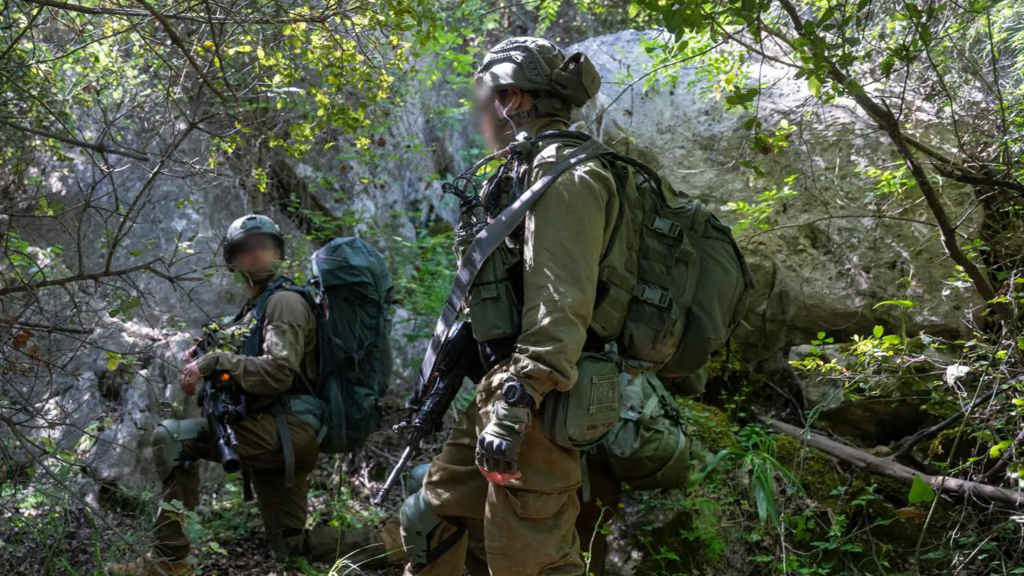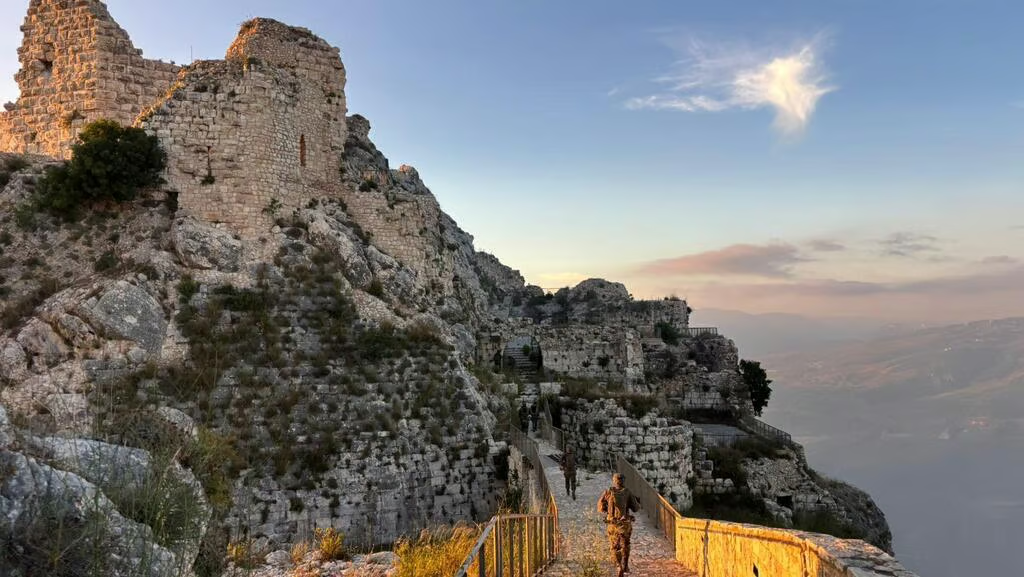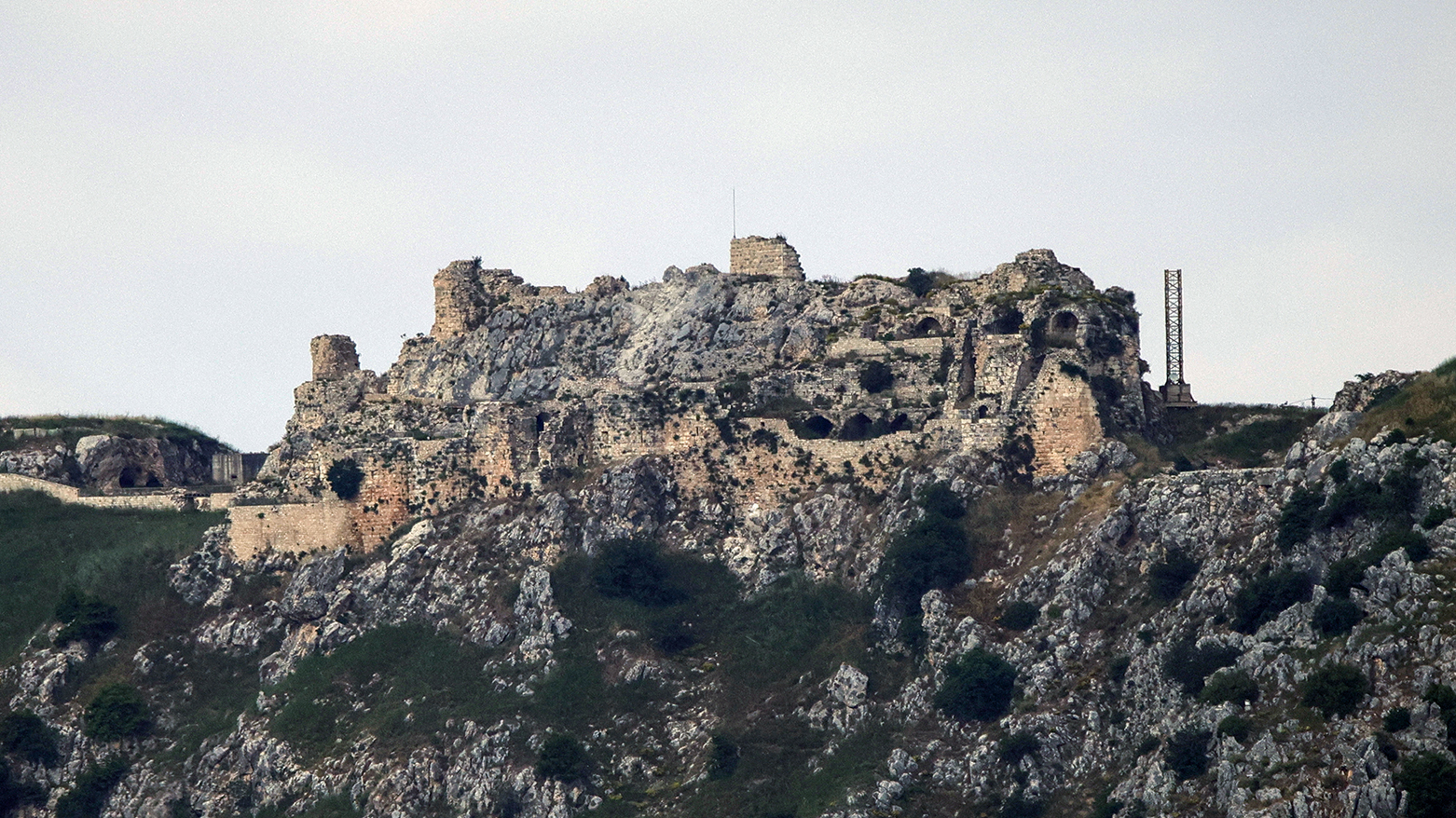
Israeli forces raised their national flag over the Medieval Beaufort Castle in southern Lebanon on Sunday, following their capture of the strategic hilltop stronghold. This significant military maneuver marks a new phase in the ongoing conflict in the region. Israeli Defense Minister Israel Katz confirmed the capture, describing it as a major strategic achievement for Israeli forces. The minister’s statement showed the importance of the operation for Israeli military objectives. Beaufort Castle, known locally as Qalaat al-Shaqif, is considered one of southern Lebanon’s most strategically important landmarks, commanding a dominant view over the surrounding terrain. Its elevated position offers a key vantage point for military operations.
Defense Minister Katz stated, "Forty-four years after the heroic Battle of Beaufort, and on this day commemorating the soldiers who fell in the First Lebanon War, our troops have returned to the summit of Beaufort and once again raised the Israeli flag there." This statement drew a historical parallel, linking the current operation to past conflicts and sacrifices. He also referenced "the elimination of thousands of terrorists and the seizure of hundreds of square kilometers" in connection with the ongoing offensive, noting the broader scope and impact of Israel's military campaign. The minister's remarks suggested a full effort to neutralize threats and secure territory.
Expanding Offensive Operations
The Israeli military issued broad evacuation warnings across large areas of southern Lebanon in anticipation of intensified military operations. These warnings were disseminated to civilians in advance of the expected escalation of hostilities. Israeli authorities indicated that troops had crossed the Litani River and secured the Beaufort Ridge, a key topographical feature. This movement beyond the Litani River signifies a deeper penetration into Lebanese territory than previously reported. An Israeli evacuation order covers territory situated south of the Zahrani River and north of the Litani River, extending approximately 40 kilometers from the Israeli border. This wide-ranging order impacts numerous communities and thousands of residents.
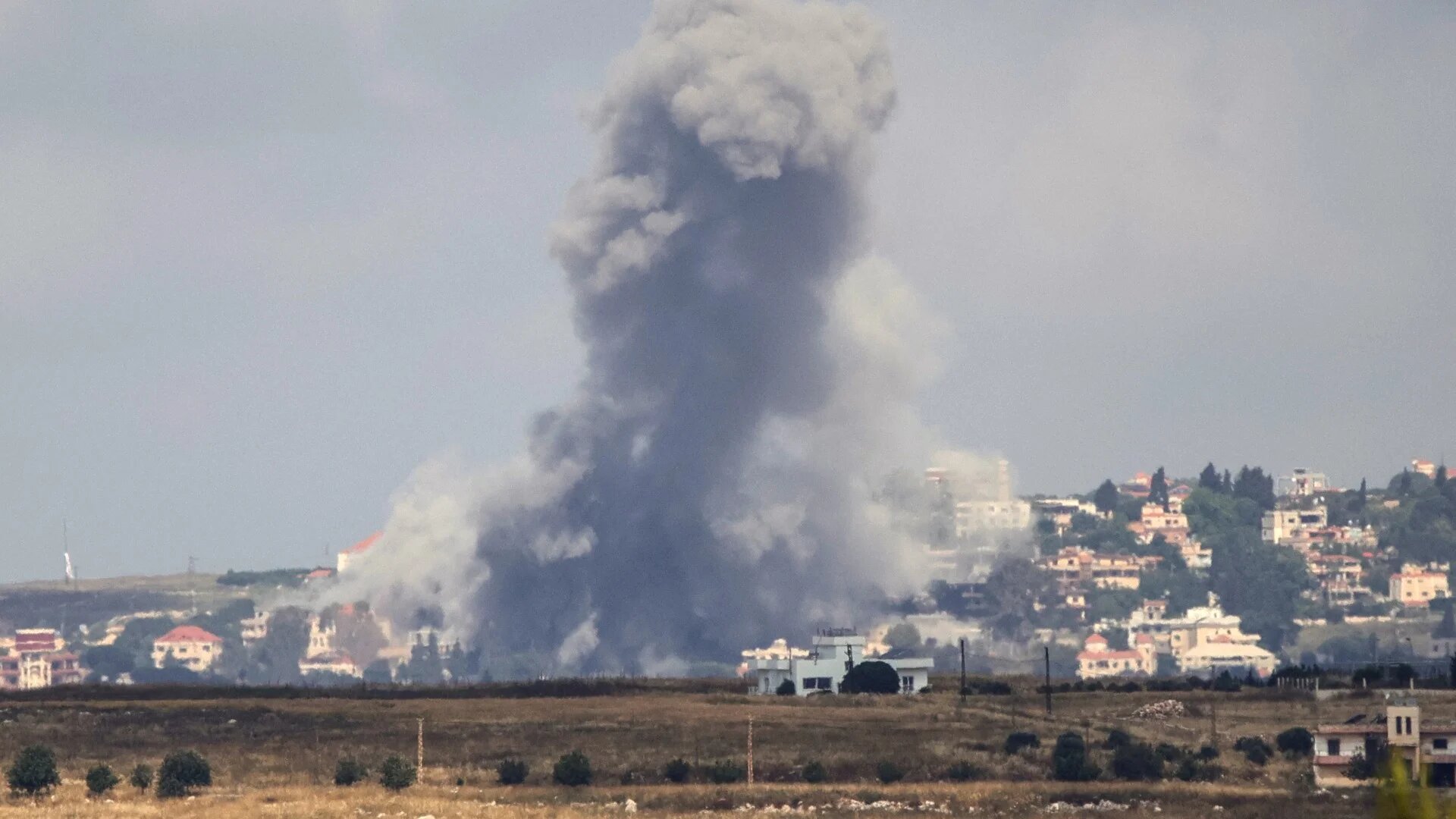
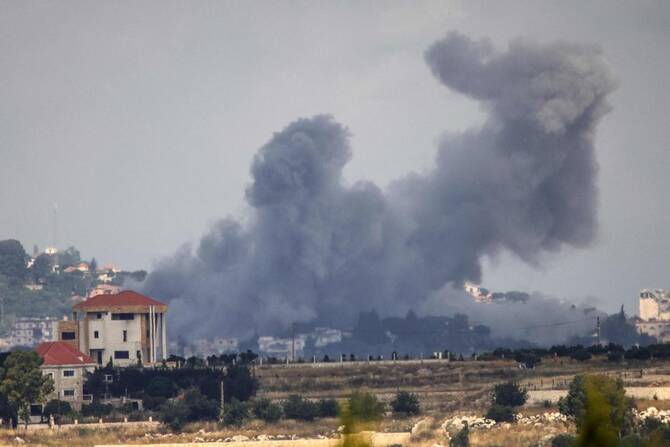
Israeli military spokesperson Avichay Adraee urged civilians to evacuate areas where Hezbollah maintains positions or military infrastructure. Adraee's message was clear: "Anyone present near Hezbollah elements, facilities, or combat means endangers their life. Any building used by Hezbollah for military purposes may become subject to targeting." This warning implies that any location associated with Hezbollah's military activities could become a legitimate target for Israeli forces. Lebanon’s National News Agency reported multiple Israeli strikes around the southern coastal city of Tyre and several nearby villages, indicating active engagements in these areas. Civil defense personnel in the Tyre region also received phone calls from the Israeli military instructing them to evacuate, directly communicating the imminent danger to emergency responders. These calls show the Israeli military's intent to clear civilian presence from operational zones.
Hezbollah, in turn, announced attacks on Israeli military positions and infrastructure in the northern Israeli communities of Shlomi and Nahariya on Sunday. These retaliatory strikes demonstrate the continued exchange of fire across the border. Air raid sirens sounded in the Acre region as rockets were launched from southern Lebanon, prompting residents to seek shelter. The Israeli military reported that more than 25 projectiles were fired from Lebanon toward Israel on Saturday, illustrating the persistent threat faced by northern Israeli communities. Warning sirens also sounded in the northern cities of Karmiel and Safed for the first time since the ceasefire was declared, signaling a significant breach of the previous calm and a widening of the conflict's geographical scope.
Strategic Landmark and History
The Medieval Beaufort Castle, locally known as Qalaat al-Shaqif, holds significant historical and strategic importance in southern Lebanon. Its commanding position has made it a contested site throughout various historical periods. The site played a prominent role during Israel’s 1982 military operation in Lebanon and its subsequent occupation of parts of southern Lebanon, serving as a key stronghold during that conflict. Defense Minister Israel Katz referenced the current campaign's impact, stating it has led to "the elimination of thousands of terrorists and the seizure of hundreds of square kilometers." This statement provides a macro perspective on the scale of the ongoing military activities and their stated objectives. The re-capture of Beaufort Castle is framed as a symbol of this broader campaign.
The ongoing Israeli military operations have incurred casualties on both sides, reflecting the intense nature of the hostilities. The total number of Israeli military fatalities in Lebanon since early March stands at 25, a grim indicator of the cost of the conflict for Israel. Meanwhile, Lebanon’s Health Ministry reports that Israeli military actions have resulted in the deaths of more than 3,371 people since March 2, noting the severe human toll on the Lebanese side. These casualty figures show the devastating impact of the sustained military engagements.
Lebanese Accusations and Ceasefire Failure
Lebanese Prime Minister Nawaf Salam on Saturday accused Israel of pursuing a "scorched-earth policy and collective punishment" in southern Lebanon. These strong accusations reflect the Lebanese government's condemnation of Israel's military tactics and their perceived impact on the civilian population and infrastructure. Salam stated that de-escalation and a lasting ceasefire represent "the least costly path for our country and our people," emphasizing the urgent need for a cessation of hostilities to prevent further suffering and destruction. The Prime Minister's remarks followed ongoing military operations in the region, providing a direct response from the Lebanese leadership to the escalating violence.
Military representatives from Israel and Lebanon convened in Washington on Friday for security talks, indicating attempts at diplomatic engagement despite the intense fighting. These discussions were mediated by the United States, showing the international community's concern over the escalating conflict and efforts to find a resolution. The meeting came despite an official ceasefire between Israel and Hezbollah, which had been in effect since April 17. However, the agreement has failed to halt the violence between the parties, demonstrating the fragility and ineffectiveness of the previously established truce. The continued fighting, even after a formal ceasefire, points to deep-seated tensions and a lack of commitment from both sides to uphold the agreement.
Further indicating the breakdown of the ceasefire, one Israeli soldier was killed on Saturday. The fatality resulted from a Hezbollah explosive drone strike, showing the continued hostilities and the sophisticated nature of some of the attacks. This incident serves as a stark reminder that despite diplomatic efforts and declared ceasefires, the conflict remains active and deadly, with both sides suffering losses. The renewed fighting and the capture of strategic locations like Beaufort Castle suggest a significant escalation in the conflict, with uncertain implications for regional stability.