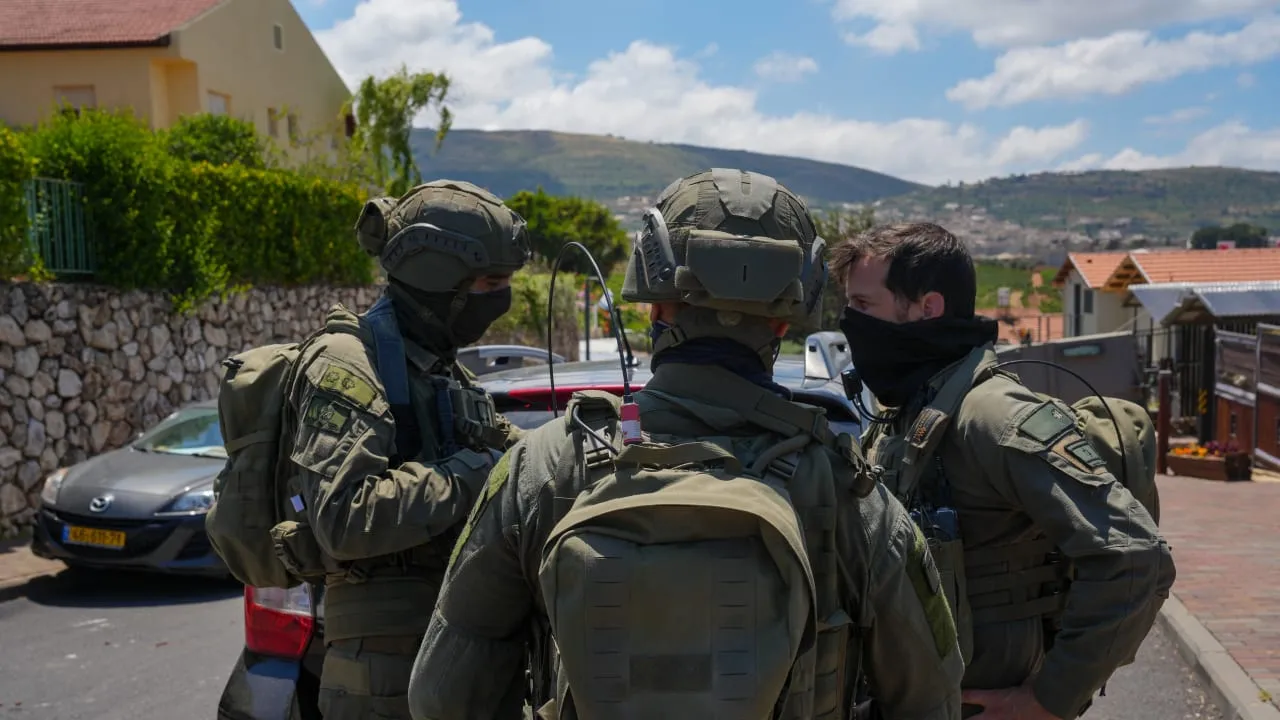
The United States signaled it does not expect Israel to tolerate ongoing attacks on its civilians, according to a US official who told The Jerusalem Post on Monday. The US official explicitly stated that the United States "does not expect Israel to absorb ongoing attacks on its civilians by a terrorist organization." This statement followed appeals from senior Israeli officials to senior US officials on Sunday to allow the Israel Defense Forces (IDF) to expand operations in Beirut, sources told the Post. On Sunday, two sources told The Jerusalem Post that senior Israeli officials had appealed to senior US officials to allow the IDF to expand its operations in Beirut. Israeli officials expressed hope for a favorable US response, citing a lack of progress in negotiations between Washington and Tehran, as well as talks between Israel and Lebanon. Israeli officials were hopeful that the US response would be favorable, given the lack of progress in negotiations between Washington and Tehran and talks between Israel and Lebanon. Hezbollah initiated the current round of fighting on March 2.
De-escalation Framework Proposed
US Secretary of State Marco Rubio proposed a framework for de-escalating hostilities to Prime Minister Benjamin Netanyahu and Lebanese President Joseph Aoun. The framework aims to create conditions for a gradual de-escalation of tensions and an effective cessation of hostilities between the parties. The framework would create the conditions for a gradual de-escalation of tensions and an effective cessation of hostilities. This proposal was presented to both leaders in an effort to find a diplomatic path forward amidst escalating tensions. Hezbollah initiated the previous war in 2023, according to reports. The full framework outlined by Secretary Rubio sought to address the immediate security concerns while laying the groundwork for a more stable future in the volatile region.
Lebanese and Israeli Positions
Lebanese Parliament Speaker Nabih Berri stated he could "guarantee" Hezbollah's commitment to a ceasefire. Parliament Speaker Nabih Berri claimed he could "guarantee" Hezbollah's commitment to a ceasefire, but placed the burden on Israel to cease fire first. Berri, however, asserted that Israel bore the initial responsibility to cease fire. His comments reflect the positions articulated by Lebanese officials regarding de-escalation efforts in the region. The approach outlined by Berri suggests a conditional commitment from Hezbollah, contingent on prior Israeli action. This perspective adds to the complexity of ongoing diplomatic efforts aimed at stabilizing the border area between Lebanon and Israel. The Lebanese political leadership continues to emphasize the need for Israel to initiate any de-escalation steps. This stance complicates the US-led efforts to secure a mutual cessation of hostilities, as it places preconditions on Hezbollah's compliance.
US Stance on Attacks
The framework proposed by US Secretary of State Marco Rubio called on Hezbollah to stop all its attacks on Israel. The framework called on Hezbollah to stop all its attacks on Israel, with the IDF avoiding an escalation of its Beirut operations only in return for that initiative. In return for such an initiative, the Israel Defense Forces (IDF) would avoid an escalation of its operations in Beirut. This condition suggests a direct linkage between Hezbollah's actions and the scope of future Israeli military responses. The proposed framework outlined a quid pro quo arrangement aimed at containing the conflict. It emphasized that a cessation of hostilities from Hezbollah was a prerequisite for any limitation on Israel's operations, specifically in the Lebanese capital. The United States conveyed this position as part of its efforts to de-escalate tensions along the Israel-Lebanon border, seeking a clear commitment from Hezbollah to halt its offensive actions. The implicit message was that continued attacks by Hezbollah would leave Israel with no choice but to expand its military engagements. This firm stance from Washington shows the gravity of the situation and the US commitment to Israel's security.