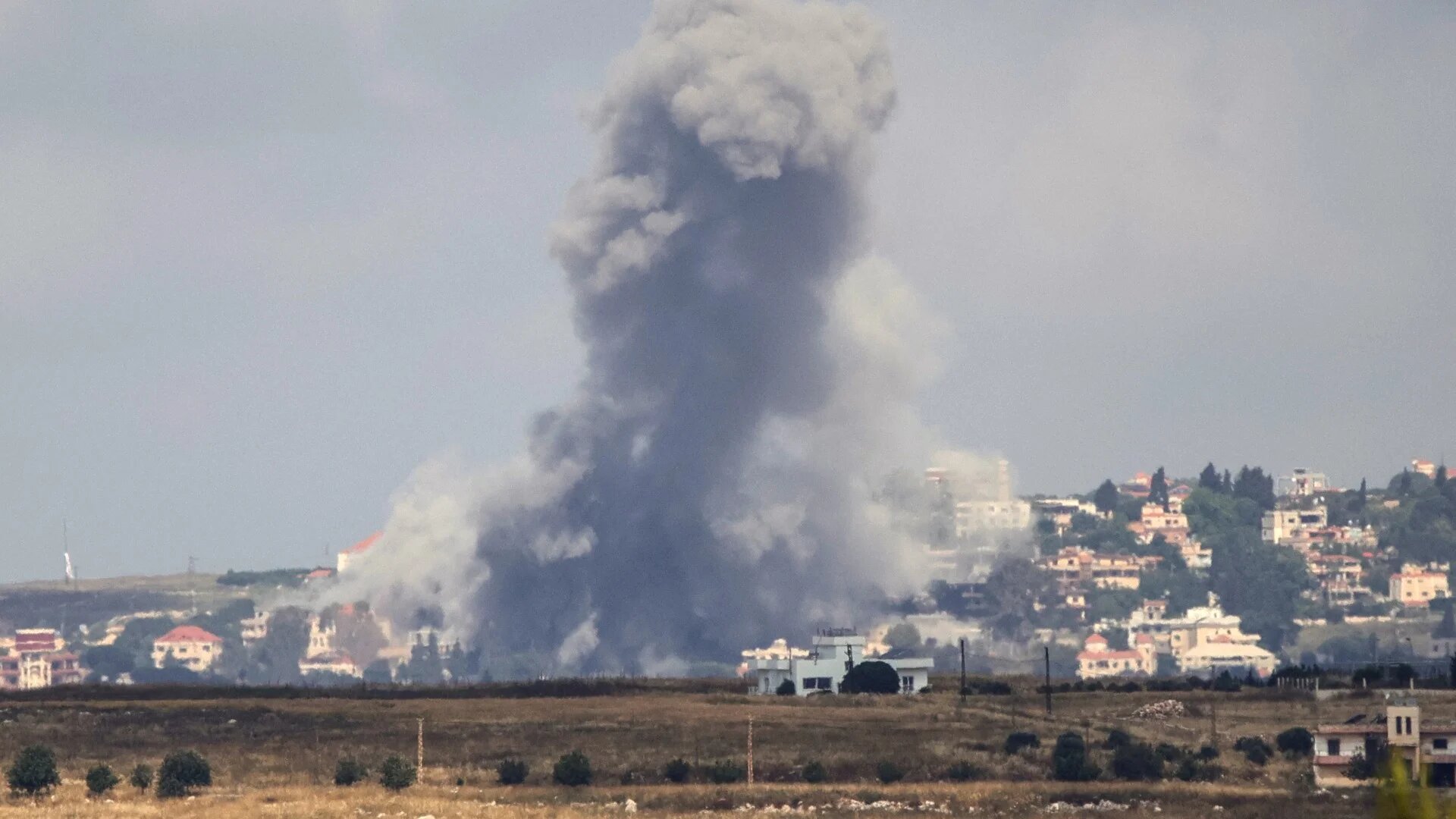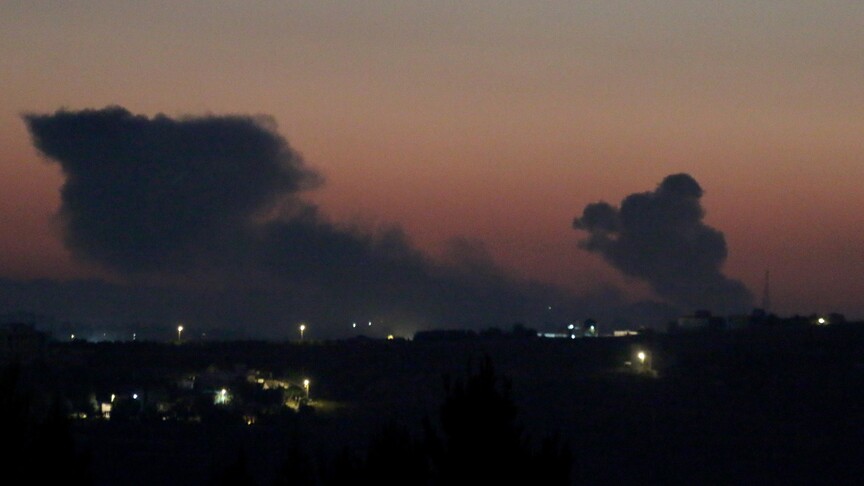
An Israeli airstrike in southern Lebanon killed eight people and injured 19, according to local reports. The strike occurred in a region near Deir al-Zahrani within the Nabatieh governorate, a significant administrative division in the country's southern reaches. Among those killed were three women, adding to the tragic toll of the incident. Additionally, six women were listed among the 19 individuals who sustained injuries in the incident, noting the impact on the civilian population. The attack has drawn immediate attention due to the ongoing ceasefire arrangements in the region, which have been repeatedly challenged by military actions.
Deadly Strike Details
The Israeli airstrike specifically targeted Deir al-Zahrani, a locality situated within Lebanon's Nabatieh governorate. This precise targeting resulted in significant disruption and loss of life within the community. Local authorities confirmed the strike resulted in multiple casualties and injuries in the area, prompting emergency responses. Among the 19 individuals wounded in the incident, five were identified as children, showing the severe impact on vulnerable populations. These young victims required immediate medical attention following the attack, which caused extensive damage to residential areas. The total number of fatalities from the strike reached eight, with three women confirmed among the deceased, while six women were also listed among the injured, requiring medical care. The strike has raised serious concerns about the safety of civilians in southern Lebanon and the adherence to international humanitarian law.
Escalation and Ceasefire Breach
Israel has continued its attacks on Lebanon, despite a ceasefire that took effect on April 17. This ongoing military activity represents a significant challenge to efforts aimed at de-escalating tensions in the border region and restoring stability. The continued military actions occurred even after the ceasefire was extended for an additional 45 days, with the new period officially beginning on May 17. This extension was intended to provide a prolonged period of calm and stability, allowing for humanitarian aid and reconstruction efforts. These actions, however, represent a clear breach of the agreed-upon cessation of hostilities, undermining the diplomatic efforts to maintain peace. The repeated violations of the ceasefire agreement have led to increased instability and humanitarian concerns, drawing condemnation from international bodies.
Broader Conflict Context
The Israeli airstrike in Deir al-Zahrani occurred a day after Israeli forces killed at least 12 people and injured dozens in strikes across southern Lebanon. These previous attacks contributed to an escalating series of incidents in the region, indicating a worrying trend of increased military engagements and a disregard for the established ceasefire. The strike on Deir al-Zahrani further compounds the already volatile situation, adding to the growing casualty figures.
Since March 2, Israeli attacks have resulted in the deaths of more than 3,400 people across Lebanon. This alarming statistic notes the extensive human cost of the ongoing conflict and the widespread impact on communities throughout the country, affecting infrastructure and civilian lives. The continued military actions have drawn international concern, particularly given the existing ceasefire arrangements in the area and the efforts to secure a lasting peace. The high casualty toll shows the ongoing intensity of the conflict and the urgent need for adherence to agreed-upon ceasefire terms to prevent further loss of life and suffering among the civilian population. The repeated breaches of the ceasefire have exacerbated an already dire humanitarian situation in southern Lebanon, prompting calls for immediate de-escalation.