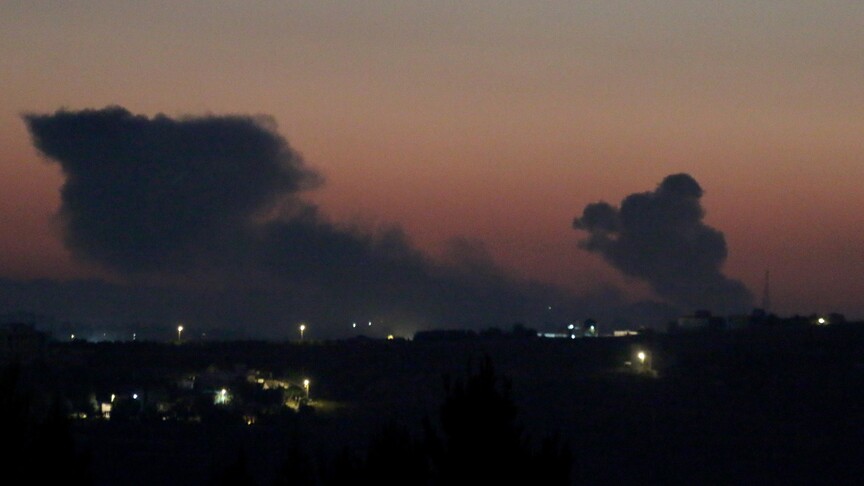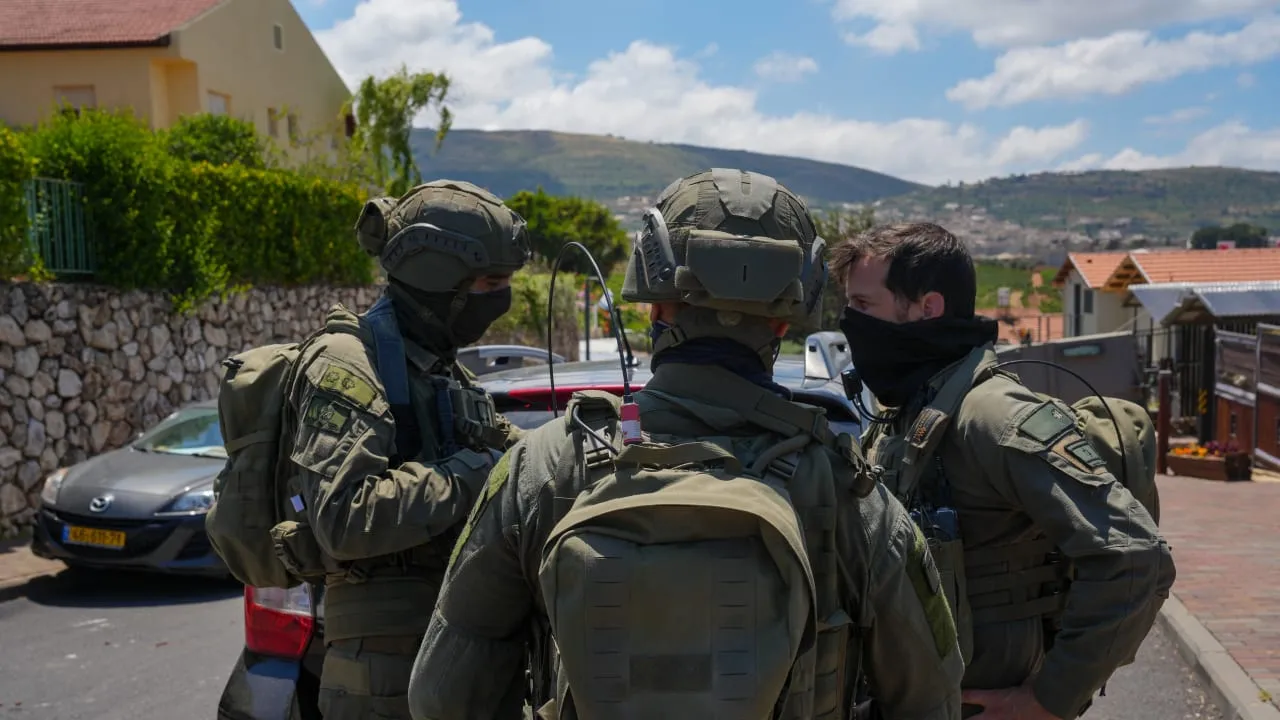
A U.S.-brokered ceasefire that began in mid-April has failed to hold, marking the end of fighting that initially started with another U.S.-brokered ceasefire in late 2024. This recent breakdown in diplomatic efforts shows the persistent volatility in the region. Israeli forces are reportedly conducting their deepest incursion into Lebanon since their withdrawal from the country more than a quarter-century ago, signaling a significant escalation in the ongoing hostilities. Israel has stated its operations are targeting the Iranian-backed Hezbollah militant group, which it views as a primary threat to its northern border.
The current phase of intense fighting was triggered by specific events earlier in the year. Reports indicated that Hezbollah fired at Israel on March 2, responding to Israel's bombing of Iran. This retaliatory action by Hezbollah then prompted Israel to invade southern Lebanon, further exacerbating tensions. In anticipation of military operations and to minimize civilian casualties, Israel has issued urgent warnings to Lebanese civilians across the south, advising them to evacuate or face being in the line of fire. These warnings highlight the gravity of the situation and the potential for widespread impact on the civilian population.
Escalating Battlefield
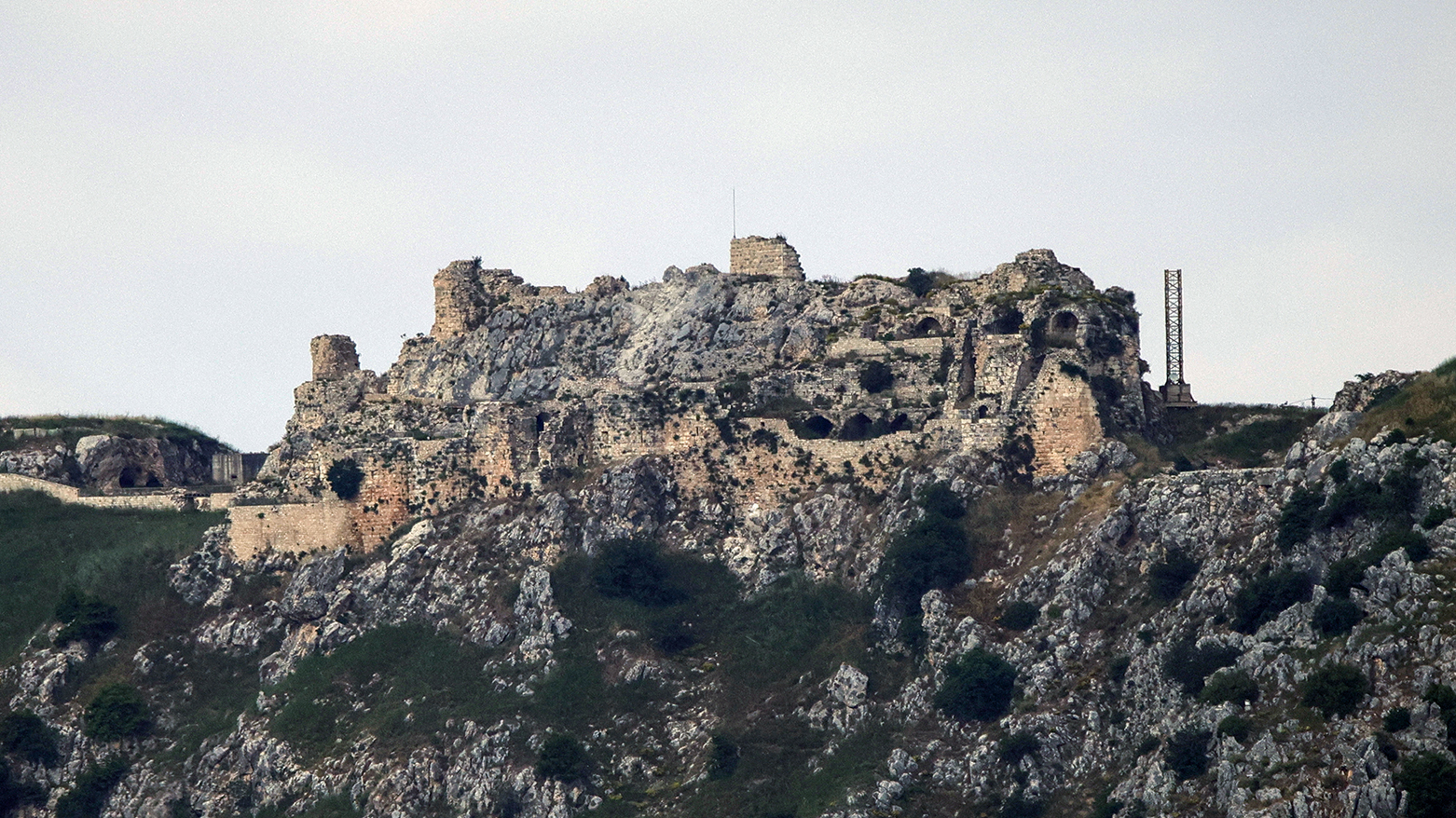
The conflict has seen significant territorial shifts and intense combat. On Sunday, Israeli forces seized the historic Beaufort castle in southern Lebanon, marking a significant development in the ongoing conflict. This strategic capture provides Israeli forces with a commanding position in the area. The castle, known locally as Al-Shaqif, was originally constructed as a Crusader stronghold around the 12th century, holding centuries of history within its walls. This latest capture carries historical weight, as Israeli forces previously held Beaufort castle for 18 years in an earlier conflict, making its re-capture a notable event in the current hostilities. The long history of the castle reflects the enduring strategic importance of this elevated position overlooking the Litani River.
Reports indicate Israeli forces now control substantial areas in southern Lebanon, extending their operational reach deep into Lebanese territory. During their operations, they have demolished homes and historical sites within these territories, a development that raises concerns about cultural heritage and civilian infrastructure. Meanwhile, Hezbollah has responded vigorously to the Israeli incursion, launching thousands of missiles and drones targeting Israeli soldiers in both southern Lebanon and northern Israel. This sustained barrage demonstrates Hezbollah's capacity for resistance and its intent to inflict damage on Israeli forces and settlements. The exchange of fire has created a highly volatile and dangerous environment across the border region.
The conflict has resulted in casualties on the Israeli side, noting the cost of the ongoing military operations. At least 25 Israeli soldiers and one defense contractor have been killed either in Lebanon or northern Israel, showing the dangers faced by military personnel and those supporting their operations. Additionally, two civilians have died in northern Israel due to the hostilities, a tragic reminder of the conflict's impact beyond the immediate battlefield. These casualties contribute to the growing human toll of the conflict, which continues to escalate.
Humanitarian Crisis Deepens
The escalating conflict has led to a deepening humanitarian crisis in Lebanon, according to reports from various aid organizations and international bodies. Since fighting began on March 2, more than 3,300 people have been killed in the country, a grim testament to the intensity and destructive power of the conflict. This total includes dozens of children, showing the severe and disproportionate impact on the civilian population, particularly the most vulnerable. The violence has also triggered massive displacement, with approximately 1 million people now displaced within Lebanon, forced to flee their homes in search of safety.
This mass internal displacement represents a significant humanitarian challenge. Hundreds of thousands of individuals have fled their homes in southern Lebanon, a region that has seen intense military operations and is directly affected by the ongoing fighting. The widespread movement of people from the southern areas notes the immense disruption and danger faced by residents caught in the crossfire between Israeli forces and Hezbollah. Many have sought refuge in safer areas further north, often overcrowding existing communities and straining resources. The scale of displacement places significant strain on humanitarian resources and infrastructure across Lebanon, as displaced families seek safety, shelter, food, and essential services away from the conflict zones. Aid organizations are struggling to meet the burgeoning needs of this displaced population, which includes a large number of women, children, and elderly individuals. The ongoing hostilities continue to exacerbate the humanitarian situation, raising profound concerns among aid organizations about the long-term consequences for the affected communities, including potential food insecurity, lack of access to medical care, and educational disruption for children. The displacement crisis is not merely a temporary inconvenience but a profound societal challenge with lasting repercussions for the social and economic fabric of the country.
Political Standoff
Despite the escalating violence, diplomatic efforts are underway to de-escalate the situation, albeit with significant challenges. Direct talks between senior officials from Israel and Lebanon commenced in Washington in April, marking a key step towards potential resolution. These initial diplomatic engagements led to the first direct military talks between the two nations on Friday, a development that signifies a rare instance of direct communication between the long-standing adversaries. These diplomatic efforts unfolded amidst ongoing regional tensions, complicated by a broader geopolitical landscape. Reports indicated that the nominal ceasefire between Iran and the U.S. Has been repeatedly tested by back-and-forth attacks, reflecting the interconnectedness of regional conflicts.
Hezbollah, a key player in the conflict, holds significant political and military influence in Lebanon. The group originally emerged in 1982, forming in response to an Israeli occupation of southern Lebanon, establishing its roots in resistance against foreign military presence. More recently, in 2023, Hezbollah joined the war in the Gaza Strip, stating its participation was in solidarity with the Palestinians, further aligning itself with broader regional conflicts. Despite the initiation of talks aimed at de-escalation between Israel and Lebanon, Hezbollah is not currently participating in the discussions, which complicates the path to a full resolution. The group has also stated it would not accept any results stemming from these negotiations, signaling its skepticism and potential disengagement from the diplomatic process. This stance by Hezbollah presents a formidable obstacle to achieving a lasting ceasefire and a stable resolution, as any agreement would likely require the group's buy-in or at least its tacit acceptance to be effective on the ground. The absence of Hezbollah from the negotiating table, coupled with its declared rejection of potential outcomes, shows the deep divisions and complex challenges facing peace efforts in the region.