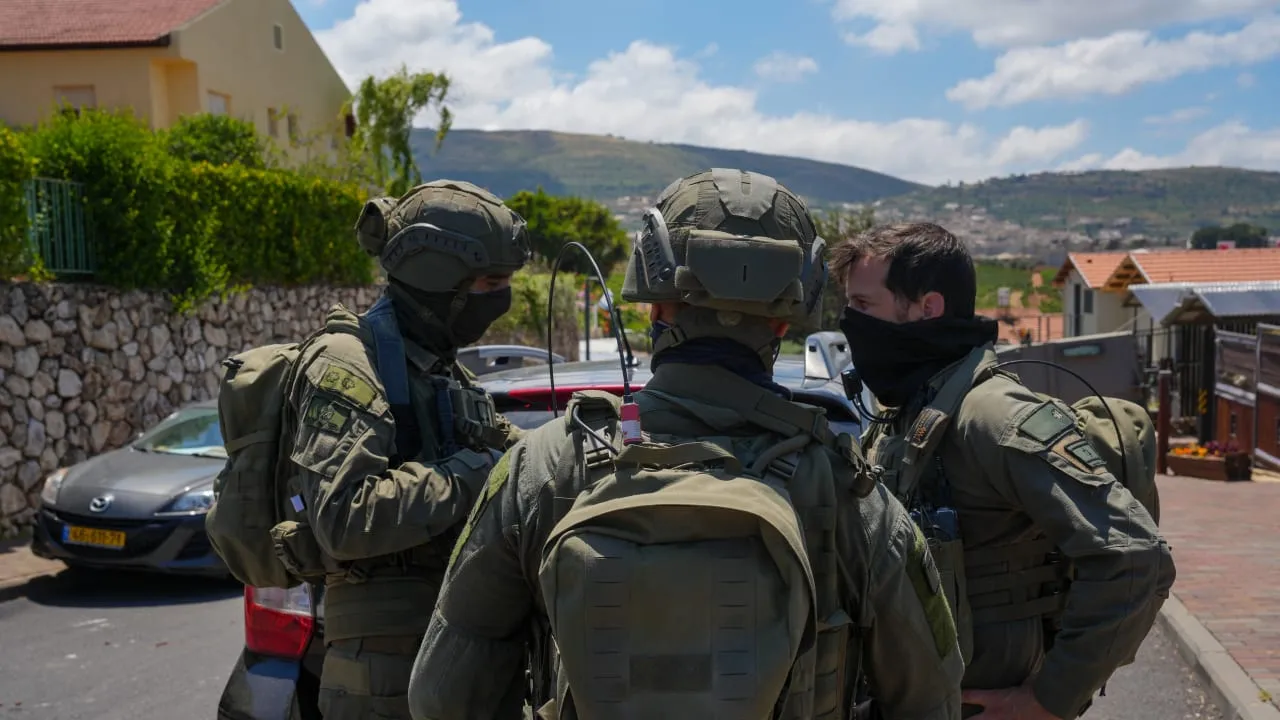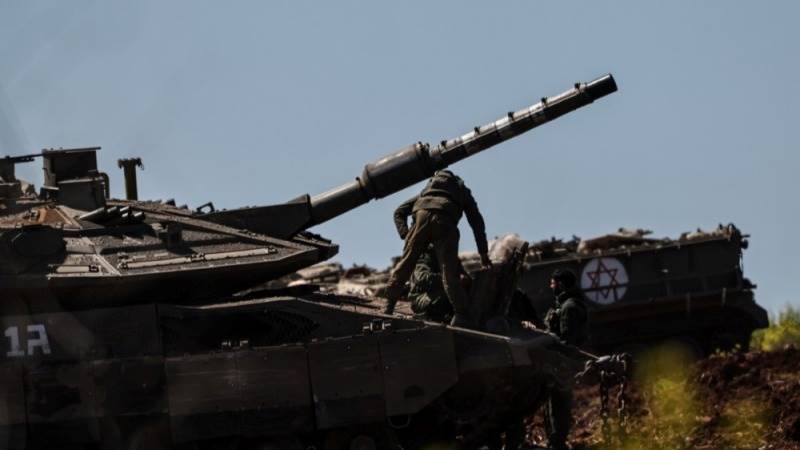
The Israel Defense Forces (IDF) announced on Monday that its troops eliminated three Hezbollah members in southern Lebanon yesterday. The operation targeted operatives in the southern part of the country, near the border with Israel. An IDF statement confirmed the engagement, which comes amid ongoing cross-border hostilities that have intensified in recent weeks. This incident is the latest in a series of exchanges between the IDF and the Iran-backed Hezbollah group in the region, reflecting a persistent state of tension.
Southern Lebanon Operation Details
The Hezbollah members eliminated by the Israel Defense Forces (IDF) in southern Lebanon were planning to launch drones at Israeli forces, according to an IDF statement. This proactive measure by the IDF aimed to thwart an imminent threat to Israeli personnel and assets. During the operation, Israeli troops located a weapons cache containing rockets and explosive drones that were prepared for immediate launch toward Israeli forces. The discovery showed the immediate danger posed by the operatives and their arsenal. The IDF confirmed that the discovered weapons cache was subsequently struck, neutralizing the threat. Secondary explosions were identified following the strike, indicating the successful targeting of the stored ordnance and confirming its destruction. This engagement is part of ongoing efforts by the IDF to counter threats emanating from southern Lebanon, which frequently include attempts to launch projectiles and drones across the border.
Escalation in Beirut
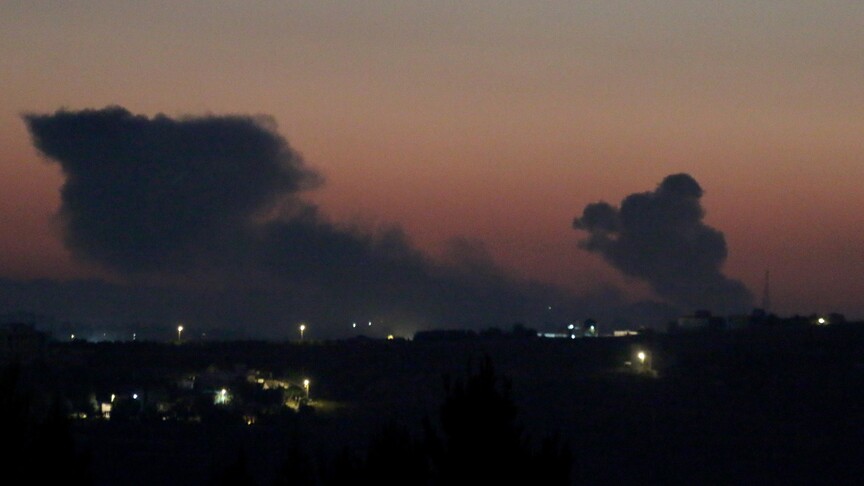
In a significant expansion of military operations, Israeli Prime Minister Benjamin Netanyahu and Defense Minister Israel Katz ordered the military to launch strikes on Hezbollah sites located in the Dahiyeh district of Beirut. The directive for these strikes was issued earlier in the day, signaling a deliberate and calculated decision to escalate the scope of operations. This decision marks an expansion of military operations beyond the southern Lebanese border, targeting areas within the Lebanese capital itself. The IDF has previously stated its commitment to countering threats emanating from Hezbollah, and this operation indicates a broadening of that strategy to include targets deeper within Lebanese territory. The Dahiyeh district is widely considered a stronghold for the Iran-backed Hezbollah group, making it a strategic target for such military action. The order for these strikes comes as tensions remain high following recent engagements in southern Lebanon, suggesting a coordinated response to ongoing provocations. This move signals Israel's intent to hold Hezbollah accountable for its actions, regardless of the location of its operational bases.
Broader Context and Implications
The recent Israeli military actions, including the elimination of Hezbollah operatives in southern Lebanon and strikes on sites in Beirut's Dahiyeh district, represent a significant escalation in the ongoing conflict between Israel and Hezbollah. The Israel Defense Forces (IDF) have broadened their operational scope, moving beyond traditional border engagements to target areas deeper within Lebanon, including the capital city. This expansion of military activity notes the increasing tensions between Israel and the Iran-backed Hezbollah group, which receives significant support from Tehran. Prime Minister Benjamin Netanyahu and Defense Minister Israel Katz issued the directive for the Beirut strikes, signaling a determined stance against perceived threats and a willingness to extend military reach. The Dahiyeh district is widely recognized as a Hezbollah stronghold, making its targeting a notable development in the current hostilities, as it directly impacts the group's infrastructure and operational capacity in a key urban center. These actions show a period of heightened military activity and an evolving strategy from the Israeli side in confronting Hezbollah. The international community is closely monitoring these developments, given the potential for wider regional destabilization.