The United States has put forward a diplomatic framework to de-escalate tensions between Israel and Lebanon, with U.S. Secretary of State Marco Rubio engaging directly with key leaders in the region. This diplomatic framework is specifically aimed at reducing tensions between the two nations and fostering stability in the volatile border region. Secretary Rubio held discussions with Lebanese President Joseph Aoun and Israeli Prime Prime Minister Benjamin Netanyahu regarding the proposed framework, showing the high-level commitment from Washington to address the escalating situation. Reports indicated this initiative seeks to reduce cross-border hostilities, which have plagued the region for months.
A U.S. Official rejected a position previously articulated by Lebanese Parliament Speaker Nabih Berri, stating that Hezbollah initiated the current fighting on March 2. This official argued that the escalation began after Israel engaged in conflict with Iran, which is Hezbollah's patron, and after the assassination of Supreme Leader Ali Khamenei. The U.S. Official emphasized, "The U.S. Does not expect Israel to absorb ongoing attacks on its civilians by a terrorist organization." The official further accused Hezbollah of acting in line with Iranian interests, suggesting a broader geopolitical motivation behind the group's actions.
US Proposal Details and Berri's Stance
The U.S. Proposal centered on Hezbollah halting its missile and drone attacks against Israel, with Israel in return refraining from escalating military action in Beirut. This basic idea formed the core of the diplomatic initiative, aiming to create a pathway for de-escalation. Lebanese Parliament Speaker Nabih Berri, however, provided what a U.S. Official described as an "evasive and disappointing" response to the proposal. Berri suggested that Israel should be the first to cease firing, even as he offered to "guarantee" Hezbollah's commitment to a ceasefire. This stance came despite reports indicating that Hezbollah had initiated the previous conflict in 2023, raising questions about the sincerity of his offer. The U.S. Official's rejection of Berri's position was firm, emphasizing the belief that Hezbollah was the initial aggressor in the current round of fighting. The official's statement directly contradicted Berri's assertion, showing the deep disagreement on the origins of the current hostilities. The U.S. Perspective maintained that Hezbollah's actions on March 2, following Israel's conflict with Iran and the assassination of Supreme Leader Ali Khamenei, were the catalyst for the renewed violence. This specific timeline and attribution of blame were central to the U.S. Official's rejection of Berri's proposal for Israel to cease firing first. The U.S. Official's firm stance noted Washington's view that accountability for initiating the conflict lay with Hezbollah.
President Joseph Aoun was reportedly supportive of the U.S. Initiative and asked Speaker Berri to press Hezbollah to halt its attacks into Israel. A Lebanese official confirmed that U.S. Secretary of State Marco Rubio had raised the initiative directly with President Aoun, noting the direct communication channels being utilized. The U.S. Position, as articulated by a U.S. Official, is clear: "The U.S. Does not expect Israel to absorb ongoing attacks on its civilians by a terrorist organization." Despite the diplomatic efforts, a senior Lebanese official indicated that neither Hezbollah nor Israel desired a ceasefire, complicating the path to a lasting peace. Nonetheless, a U.S.-brokered ceasefire agreement was eventually reached in late 2024, offering a glimmer of hope for stability after prolonged tensions. This agreement, though reached, followed a period where the latest U.S. Push for a ceasefire in Lebanon had ultimately fizzled, showing the persistent and significant challenges in achieving a cessation of hostilities. The path to the late 2024 agreement was fraught with difficulties, including the initial "evasive and disappointing" response from Speaker Nabih Berri to the U.S. Proposal. Berri's insistence that Israel should be the first to cease firing, even while offering to "guarantee" Hezbollah's commitment, was a major hurdle. This complex negotiation environment, marked by conflicting demands and a perceived lack of genuine desire for a ceasefire from key parties, illustrates the fragility of peace efforts in the region. The eventual U.S.-brokered ceasefire in late 2024 emerged from these intricate and often contradictory diplomatic currents, providing a temporary reprieve from the escalating conflict.
Escalation and Diplomatic Efforts
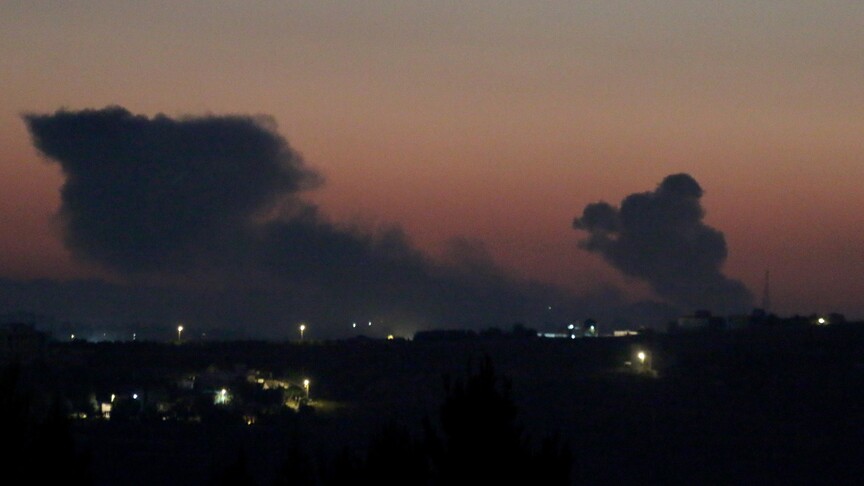
Israel has expanded its ground operation in Lebanon in recent days, a development occurring amidst ongoing cross-border exchanges of fire between Israel and Hezbollah since the outbreak of the Gaza war in October 2023. These exchanges have contributed to a significant deterioration of security along the border. Israel reportedly asked the Trump administration for approval to conduct massive strikes on Hezbollah targets within Beirut. This request showed the seriousness with which Israel viewed the threat posed by Hezbollah and its desire for a decisive military response. For several weeks, the United States has urged Israel against undertaking such strikes in the Lebanese capital, fearing a wider regional conflagration. However, a U.S. Official hinted that the U.S. Position regarding striking Beirut could potentially soften, indicating a possible shift in diplomatic calculus if the situation continued to escalate. The official reiterated, "The U.S. Does not expect Israel to absorb ongoing attacks on its civilians by a terrorist organization," reinforcing the U.S. Stance on Israel's right to self-defense. This statement from the U.S. Official provided a key insight into the delicate balance Washington sought to maintain: supporting Israel's security while attempting to prevent a broader regional conflict. The potential softening of the U.S. Position on strikes in Beirut suggested a growing frustration with Hezbollah's continued actions and a possible re-evaluation of strategies to de-escalate the situation. The U.S. Administration's internal deliberations reflected the complex geopolitical pressures at play, as it weighed the implications of allowing or discouraging Israeli military action in the Lebanese capital. The emphasis on Israel's right to self-defense remained a constant, even as the specific parameters of acceptable military responses were continually assessed against the backdrop of an escalating conflict.
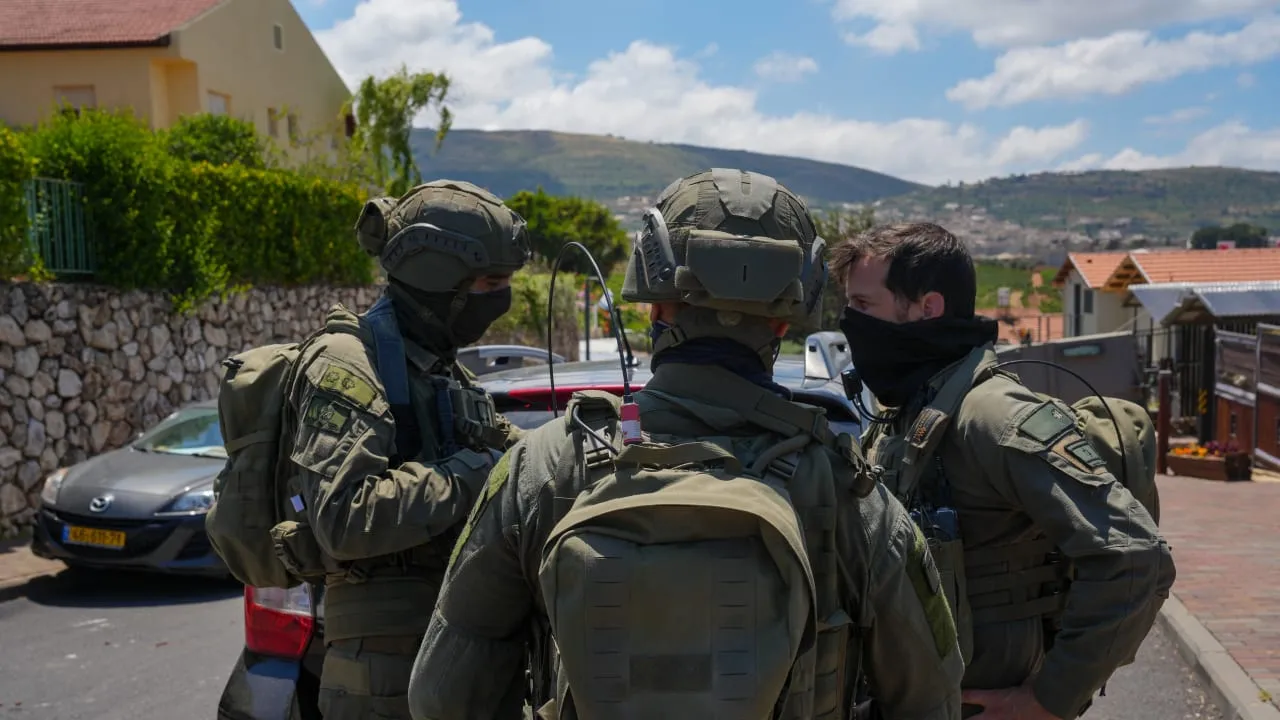
The Israeli military responded to the initial exchanges with airstrikes and a ground invasion of southern Lebanon, which has since developed into a large occupation. This military response marked a significant escalation of the conflict, extending beyond aerial bombardments to ground operations. On Friday, Israeli and Lebanese military officers convened at the Pentagon to discuss a potential ceasefire, signaling a direct engagement between military representatives from both sides. Their agenda included the withdrawal of Israeli forces from Lebanon, the disarmament of Hezbollah, and the deployment of the Lebanese armed forces in southern Lebanon, outlining full goals for a lasting peace. Israeli and Lebanese diplomats are anticipated to meet later this week at the State Department for an additional round of talks, according to reports, indicating a multi-pronged diplomatic approach. President Trump and Secretary of State Marco Rubio have announced several ceasefires between Israel and Lebanon over the past two months, though reports indicated that these agreements have largely remained theoretical, failing to translate into sustained cessation of hostilities on the ground. This pattern of announced but unfulfilled ceasefires noted the persistent challenges in achieving a genuine de-escalation. The repeated announcements of ceasefires by President Trump and Secretary of State Marco Rubio, which often existed "mostly on paper," showed the difficulty in implementing and sustaining such agreements amidst ongoing hostilities. These numerous declarations, made over the past two months, reflected a consistent diplomatic effort to halt the fighting, yet their failure to translate into tangible peace on the ground pointed to deep-seated obstacles. The gap between diplomatic announcements and the reality of continued cross-border exchanges noted the powerful forces at play, including the stated lack of desire for a ceasefire from both Hezbollah and Israel, as noted by a senior Lebanese official. The theoretical nature of these ceasefires indicated that while diplomatic channels were active, the underlying conditions for a lasting peace were not yet met, making each new announcement a testament to the ongoing struggle for de-escalation rather than a definitive resolution.
Geopolitical Motivations and Future Outlook
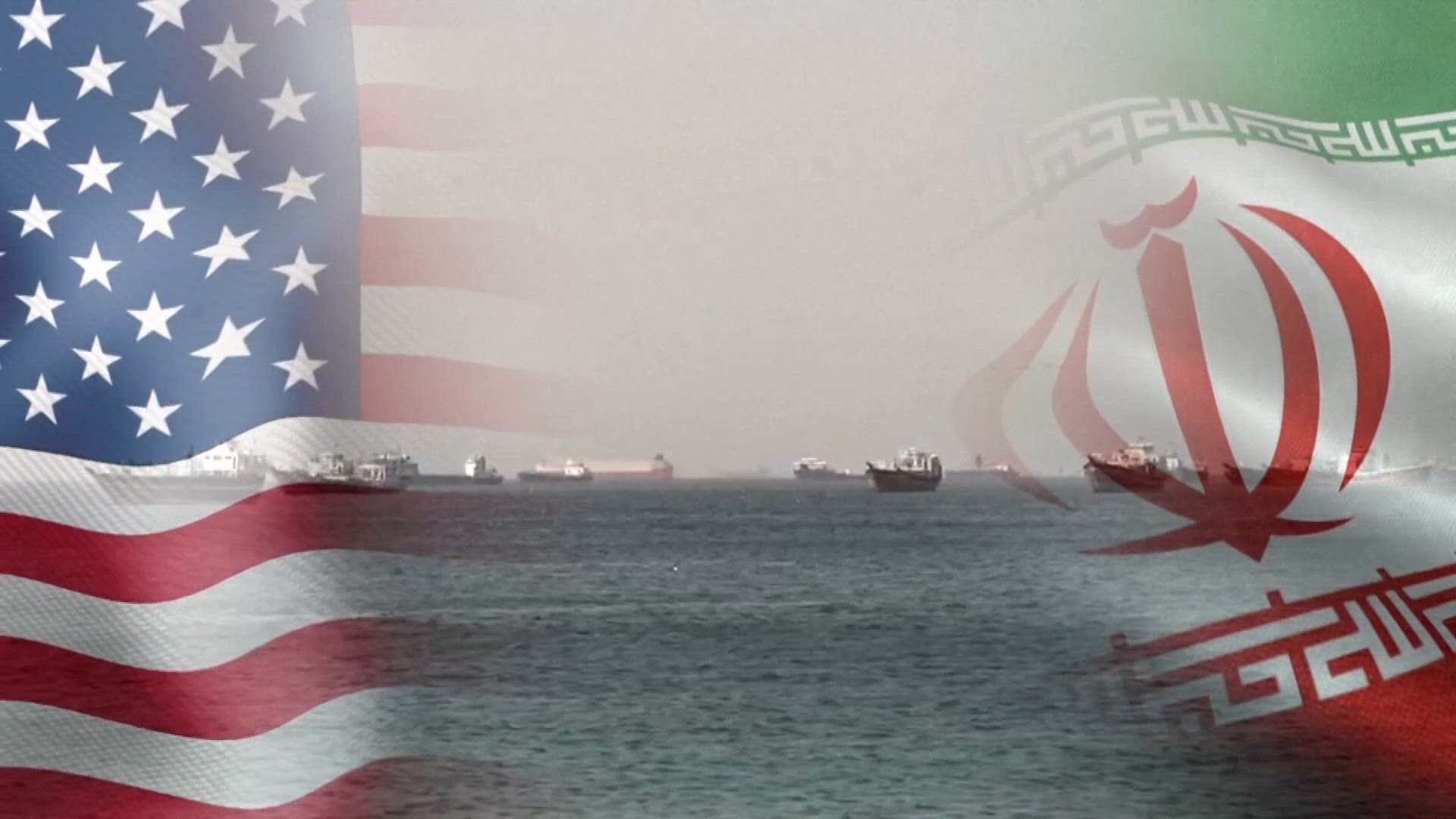
A U.S. Official claimed that Hezbollah's actions align with Iranian interests, suggesting that the group's operations are not solely independent but are influenced by Tehran's strategic objectives. The Trump administration's efforts to de-escalate tensions in Lebanon are partly driven by its ambition to secure a deal with Iran, according to reports. This broader diplomatic initiative reportedly includes a memorandum of understanding currently under negotiation between the U.S. And Iran, which aims to end the fighting in Lebanon as part of a larger agreement. A Lebanese official stated that Iran's Revolutionary Guards have been encouraging Hezbollah to intensify its actions, seeking to create leverage in the ongoing U.S.-Iran discussions. This perspective suggests that the conflict in Lebanon is being used as a bargaining chip in broader regional power dynamics, further complicating peace efforts.
Despite these diplomatic maneuvers, a senior Lebanese official indicated that the United States has not taken decisive steps to prevent Israeli Prime Minister Benjamin Netanyahu from escalating the conflict. This assessment points to a perceived lack of firm U.S. Pressure on Israel to restrain its military actions. President Trump has previously emphasized that Israeli strikes should be "surgical" in nature, advocating for targeted operations rather than widespread military engagements. However, the latest U.S. Push for a ceasefire in Lebanon ultimately fizzled, showing the persistent challenges in achieving a cessation of hostilities. This outcome left many questioning the effectiveness of the diplomatic initiatives in the face of entrenched interests and ongoing military actions. The failure of this particular ceasefire push noted the deep-seated complexities of the Israel-Lebanon conflict and the difficulty in securing lasting peace in a region fraught with geopolitical rivalries. The ongoing cross-border exchanges, coupled with the Israeli ground occupation and the stated lack of desire for a ceasefire from both Hezbollah and Israel, painted a grim picture for immediate peace prospects, even as diplomatic channels remained open for future negotiations.