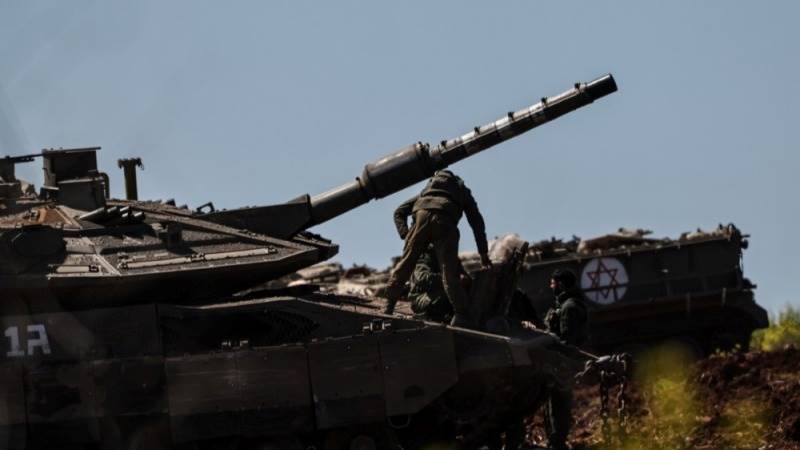
Israel and Lebanon have reached an agreement to halt fighting, effective today, following extensive diplomatic efforts. The ceasefire aims to de-escalate tensions along their shared border that have persisted for several months. The agreement was brokered with international mediation, signaling a temporary pause in hostilities between the two nations. This development comes amid ongoing regional instability and follows direct communication channels established to facilitate the cessation of cross-border skirmishes. Both Israel and Lebanon have communicated their intentions to abide by the terms of the agreement, though details regarding its long-term enforcement remain under discussion. The United States and Iran, key regional players, have reportedly engaged in indirect talks concerning the broader stability of the Middle East, which may have influenced the current ceasefire.
Ceasefire Agreement Details
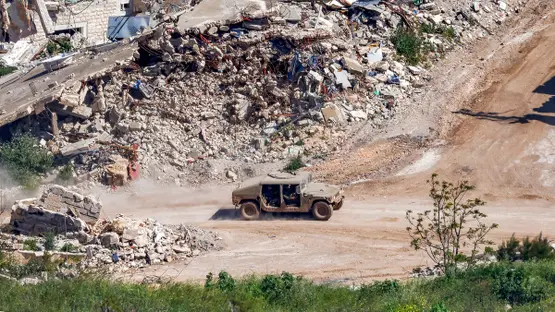
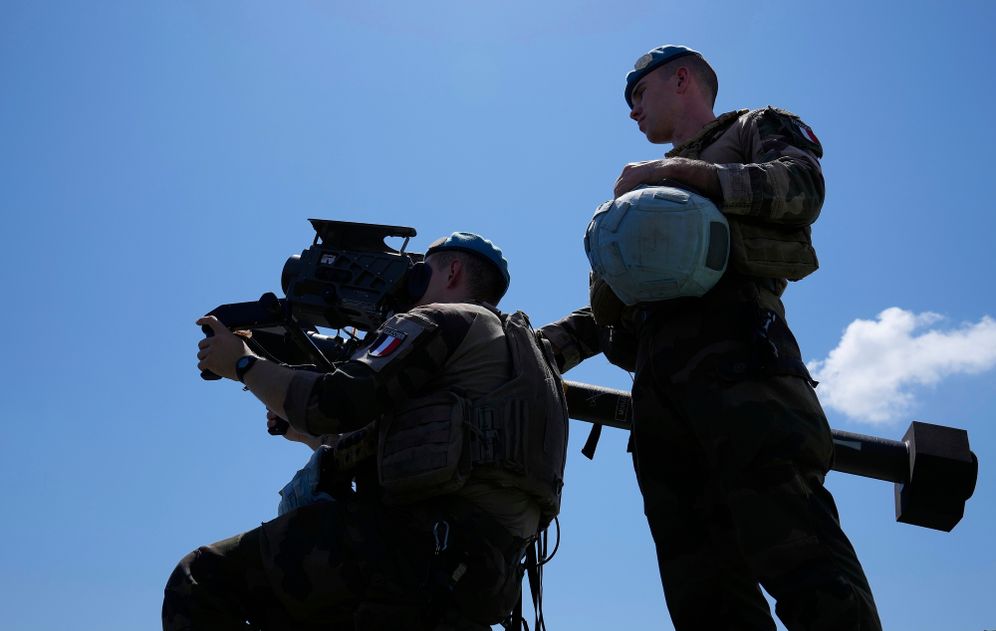
The ceasefire between Israel and Lebanon is set to take effect today, with both parties signaling an intention to adhere to its provisions. The agreement includes a cessation of all cross-border hostilities, encompassing aerial attacks, rocket fire, and ground incursions. A key element of the accord mandates the establishment of a demilitarized zone along the border, extending 5 kilometers into both Israeli and Lebanese territory. This zone will be monitored by a multinational observer force, the composition and deployment specifics of which are currently being finalized.
Under the terms of the agreement, Israel has committed to withdrawing its forces from all Lebanese territory they currently occupy within 72 hours of the ceasefire coming into effect. Lebanon, in turn, has pledged to prevent any armed groups from operating within the demilitarized zone or launching attacks against Israel from its territory. The agreement also outlines mechanisms for reporting and investigating alleged violations, with a joint committee comprising representatives from both nations and the multinational observer force responsible for handling such complaints.
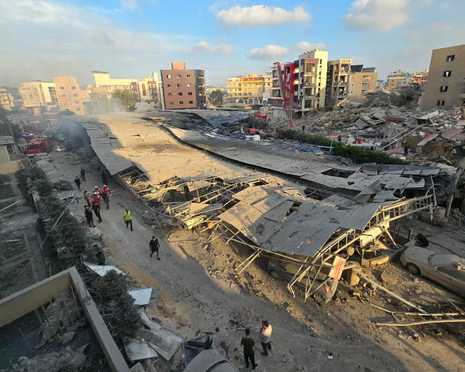
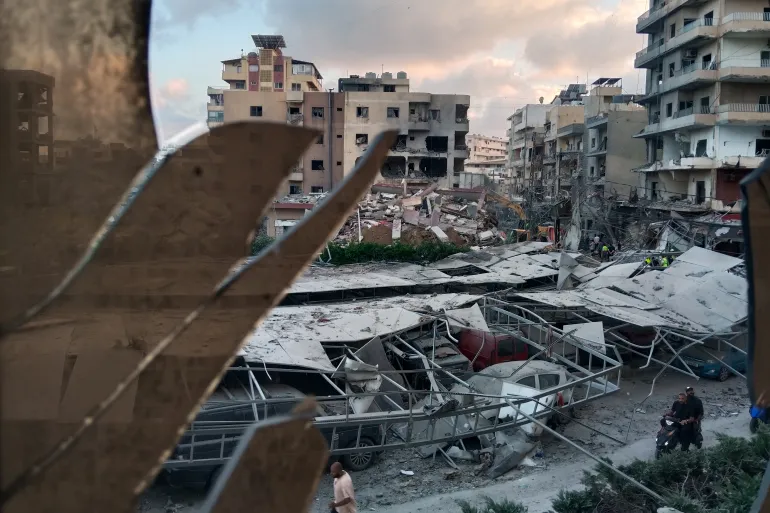
Diplomatic efforts leading to this ceasefire involved extensive mediation by international partners, including the United States. While the US played a significant role in facilitating discussions, the agreement itself does not explicitly detail the involvement of Iran, though regional observers suggest its influence was a factor in the broader diplomatic landscape. The immediate goal of the ceasefire is to provide a period of stability and allow for humanitarian access to affected areas on both sides of the border. Discussions regarding the long-term status of disputed border areas and the full delineation of the Blue Line are expected to continue under international auspices following the initial implementation of the ceasefire. The agreement emphasizes the importance of restoring civilian life and ensuring the safe return of displaced populations.
Diplomatic Maneuvering and Confusion
Confusion has emerged regarding the status of peace deal negotiations between the United States and Iran. Reports indicate a lack of clarity surrounding the nature and extent of these discussions, which some observers suggest are integral to the broader diplomatic efforts in the region. The ambiguity has contributed to an uncertain environment as the Israel-Lebanon ceasefire takes effect. While the US has acknowledged indirect engagement with Iran on regional stability, the specific parameters of any "peace deal" remain undefined in public statements from either nation. This imprecision has fueled speculation among international diplomats and regional analysts about the ultimate objectives and potential outcomes of these high-level interactions. The absence of a clear, unified message from Washington and Tehran adds a layer of complexity to the already delicate situation.
The reported confusion pertains to whether the US and Iran are actively pursuing a full peace agreement or if their current engagements are limited to de-escalation mechanisms and confidence-building measures. Sources close to the diplomatic process, who spoke on condition of anonymity due to the sensitivity of the talks, indicated that terminology such as "peace deal" might be an overstatement of the current phase of discussions. Instead, these sources suggested that the focus has primarily been on mitigating risks of broader regional conflict and ensuring adherence to humanitarian principles in ongoing crises. The distinction between these two interpretations — a full peace deal versus de-escalation talks — is significant for understanding the long-term implications for the Middle East.
Some diplomatic circles interpret the "peace deal negotiations" as a broader, aspirational term for a series of discussions aimed at reducing friction and establishing channels for communication between the two historically adversarial nations. This perspective suggests that any direct and full peace agreement would be a distant goal, requiring extensive preliminary steps and trust-building measures that are currently only in their nascent stages. Such a process would also likely involve a more formalized structure and public acknowledgement from both sides, which has not yet occurred. The current indirect talks, facilitated by various intermediaries, are seen more as pragmatic attempts to manage immediate tensions rather than forging a new bilateral relationship.
Conversely, some analysts believe that even indirect engagements, particularly those touching upon regional security frameworks, could lay the groundwork for a more substantial understanding. They argue that any dialogue, however informal or indirect, inherently carries the potential for de-escalation and, eventually, a more stable modus vivendi. However, the official positions from both the US and Iran have consistently characterized their interactions as focused on specific issues, such as the avoidance of military confrontation or the return of detainees, rather than a sweeping peace accord. The differing interpretations show the challenges in reporting on sensitive, often opaque, diplomatic processes where public messaging can diverge significantly from the intricate realities of back-channel negotiations.
The confusion surrounding these negotiations also impacts regional actors who are closely monitoring US-Iran relations for signals regarding future security alignments. Allies and adversaries alike seek clarity on whether a fundamental shift in US-Iran dynamics is underway or if the current engagements represent a tactical pause in their long-standing rivalry. The lack of definitive statements from Washington and Tehran leaves room for speculation and varying strategic calculations across the Middle East. This uncertainty contributes to the diplomatic environment in which the Israel-Lebanon ceasefire has been brokered, potentially influencing the long-term stability and enforceability of that agreement.
Regional Context and Implications
The Israel-Lebanon ceasefire enters a complex regional environment, characterized by evolving diplomatic engagements and persistent geopolitical tensions. The United States and Iran, key regional players, maintain ongoing indirect discussions concerning broader Middle East stability. The nature of these discussions, whether focused on a full "peace deal" or limited to de-escalation mechanisms, remains a point of uncertainty in diplomatic circles. This ambiguity surrounding US-Iran interactions adds a layer of complexity to the stability of the recently brokered ceasefire between Israel and Lebanon, as regional actors closely monitor these dynamics for signals regarding future security alignments.
The ceasefire agreement itself, which includes a demilitarized zone and commitments for Israel's withdrawal from Lebanese territory, depends on a regional environment conducive to its long-term enforceability. The involvement of the United States in facilitating the Israel-Lebanon discussions shows its continued role in regional mediation efforts. However, the broader diplomatic landscape includes the nuanced relationship between Washington and Tehran, which influences various conflicts and stability initiatives across the Middle East. The lack of definitive public statements from either the United States or Iran regarding the scope of their engagement leaves room for speculation among international diplomats and regional analysts.
This uncertainty impacts how regional actors might interpret and respond to the Israel-Lebanon agreement. Allies and adversaries alike in the Middle East are seeking clarity on whether a fundamental shift in US-Iran dynamics is underway or if the current engagements represent a tactical pause in their long-standing rivalry. Such calculations can influence the willingness of various parties to adhere strictly to ceasefire terms or to engage in future provocations. The effective implementation of the demilitarized zone and the multinational observer force stipulated in the Israel-Lebanon agreement will thus be subject not only to the immediate commitments of Jerusalem and Beirut but also to the prevailing regional geopolitical winds, particularly those stemming from the US-Iran relationship. The potential for the ceasefire to evolve into a more stable, long-term arrangement is intrinsically linked to the broader trajectory of these high-level, yet often opaque, diplomatic processes.