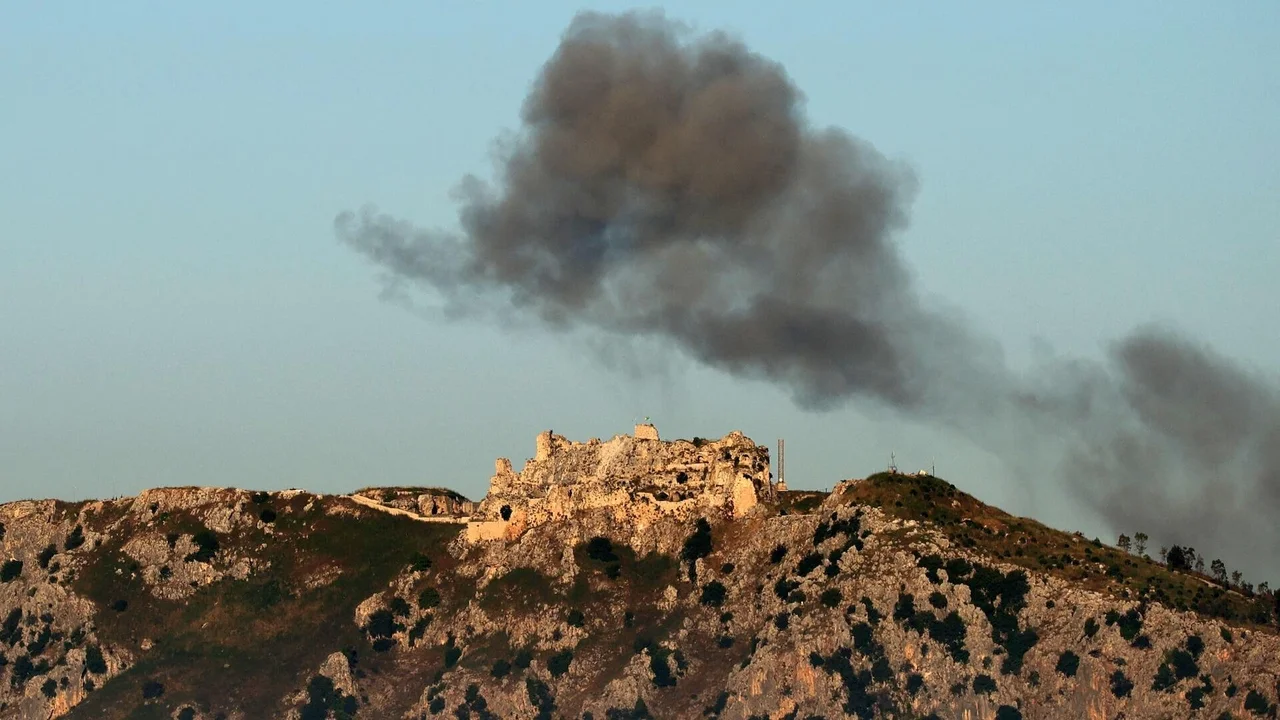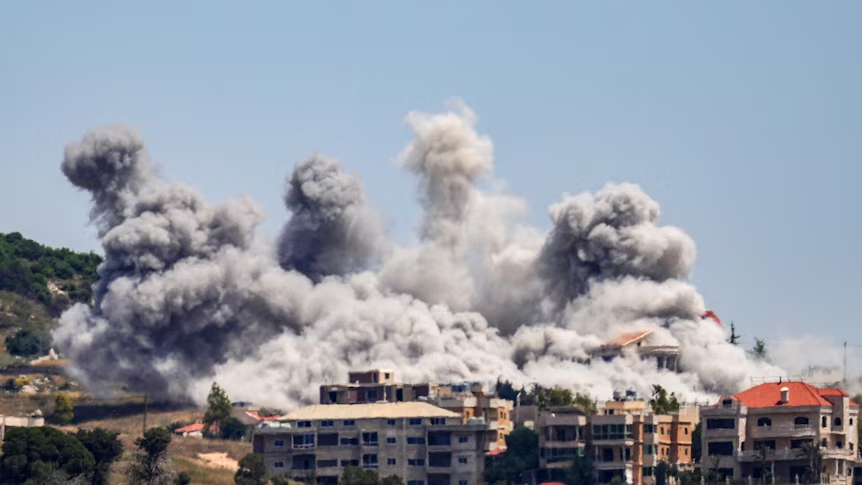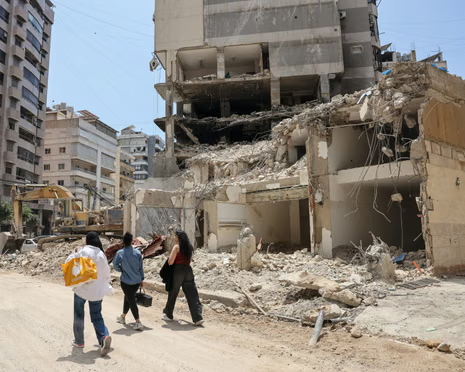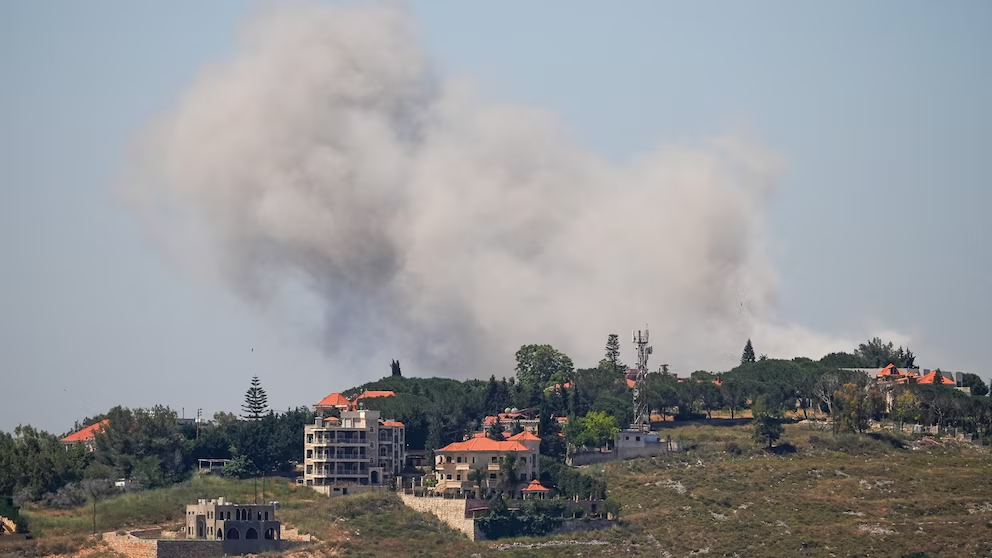
Lebanon and Israel have agreed to implement a ceasefire, according to a joint statement released by the United States State Department on Wednesday following negotiations in Washington. This significant development comes after intense diplomatic efforts aimed at de-escalating tensions between the two nations. Israeli Defense Minister Israel Katz stated on Thursday that the current reality in Lebanon could lead to a peace agreement between the two countries. Katz emphasized Israel's commitment to its own security, stating, "we will not rely on any other party for its security... The emerging situation could, depending on developments and Israel's security needs, create conditions for a possible peace agreement and achieving real and permanent security for northern Israel residents for the first time in 50 years." This sentiment shows the long-standing security concerns driving Israel's actions and its hopes for a stable future. Lebanese President Joseph Aoun expressed hope for positive results from the Washington negotiations, leading to a lasting ceasefire and an end to the state of enmity. Aoun outlined objectives including "the withdrawal of Israeli forces from Lebanese territories occupied in the south, the deployment of the Lebanese Army up to the internationally recognized border, ultimately leading to an end to the state of enmity between Lebanon and Israel." These objectives highlight Lebanon's aspirations for sovereignty and a definitive resolution to the protracted conflict.
Ceasefire Terms and Conditions
A key condition for the ceasefire is a complete halt to Hezbollah fire and the withdrawal of all Hezbollah operatives from areas south of the Litani River. This provision is central to Israel's security demands and a critical step towards establishing a demilitarized zone. Reports indicated the agreement also includes provisions for establishing 'pilot zones' within Lebanon where Hezbollah would be excluded, with the Lebanese military assuming full control of these locations. These pilot zones are intended to serve as initial testing grounds for the broader implementation of the ceasefire terms, allowing for a phased approach to security management.
Lebanese Prime Minister Nawaf Salam announced at a recent Cabinet session that the Lebanese army would begin a gradual deployment in selected areas of southern Lebanon. Salam stated, "The next step is practical and tangible: the deployment of the Lebanese Army in pilot areas as a first phase. This does not undermine our right to a full withdrawal, but rather brings us closer to it." This deployment signifies Lebanon's commitment to asserting its authority in its southern territories and fulfilling its obligations under the ceasefire agreement. The two sides had previously agreed to a ceasefire last month, according to reports, but hostilities persisted following that initial understanding. This history shows the fragility of previous agreements and the importance of the current discussions to solidify these terms and ensure compliance for a lasting de-escalation. The current negotiations are thus focused on creating a more strong and enforceable framework to prevent a recurrence of hostilities.
Regional Dynamics and Support
The European Union has committed an additional 100 million euros ($116 million) to Lebanon's Armed Forces, providing significant financial support amidst the ongoing regional discussions. This financial aid is key for bolstering Lebanon's military capabilities, enabling it to effectively manage the security responsibilities outlined in the ceasefire agreement, particularly the deployment in southern areas. The international community's support is seen as vital for the stability of Lebanon and the successful implementation of the peace process.
In March, Israel initiated an invasion of Lebanon, stating its actions were in pursuit of Hezbollah, which had fired across the border in support of Tehran. This military action showed the complex and interconnected nature of regional security, where actions by non-state actors can quickly escalate into broader conflicts. The invasion noted the deep-seated tensions and the constant threat of cross-border aggression that has plagued the region for decades.
Iran, a key regional player, has asserted that it will not agree to any deal aimed at ending the conflict with the United States and Israel—a conflict that began in late February—unless a ceasefire also extends to cover Lebanon. This condition notes Tehran's influence and the broader geopolitical considerations impacting the current negotiations, demonstrating how regional powers can leverage their positions to shape outcomes. Iran's stance adds another layer of complexity to the already intricate peace efforts, linking the Lebanon-Israel ceasefire to wider regional security arrangements.
Ongoing Resistance and Future Talks
Lebanon and Israel have agreed to hold further direct negotiations later this month, aimed at building confidence and resolving outstanding issues. These high-level talks are designed to foster greater understanding and address any remaining points of contention between the two nations, moving beyond the immediate ceasefire to a more full peace. According to reports, the Israeli Army began a gradual withdrawal from the town of Dibbine in eastern South Lebanon on Thursday, as observed by Lebanese security sources and eyewitnesses. This withdrawal is a tangible step towards de-escalation and a positive signal of adherence to the ceasefire terms, providing a key element of trust-building.
Despite these developments, Hezbollah leader Naim Qassem stated that resistance against Israel would persist as long as occupation and attacks on Lebanese territory continued. Qassem said, "We are concerned only with a full end of the aggression, a ceasefire, and Israel's withdrawal. As long as the occupation exists, the resistance will continue." He added that "any agreement making disarmament of the resistance its primary objective would 'eliminate Lebanon's strength, threaten its existence, and allow Israel to achieve through politics what it failed to achieve through war'." This statement shows the deep-rooted ideological positions of some factions and presents a significant challenge to the long-term prospects of a lasting peace, indicating that the path forward will require sustained diplomatic engagement and careful navigation of complex political realities.