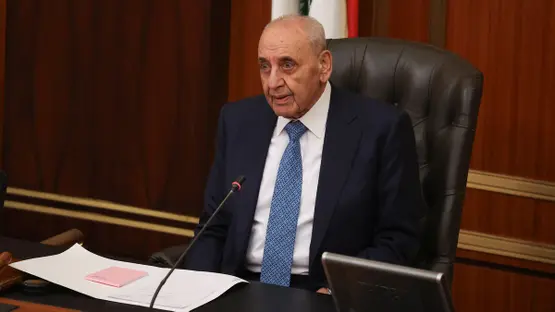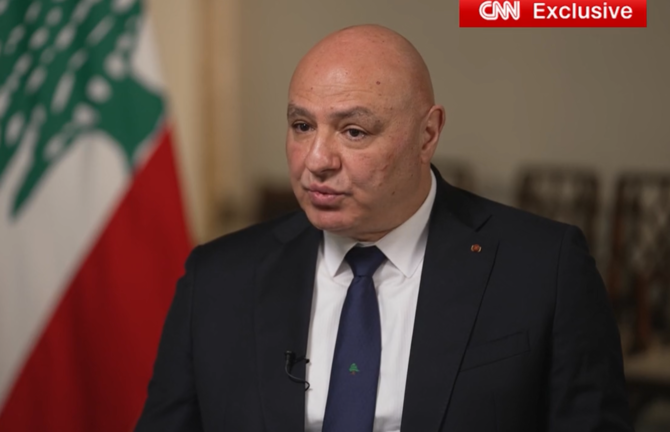
Lebanese President Joseph Aoun called on Iran to cease interference in his country and urged Hezbollah to pursue diplomatic solutions for the conflict with Israel, according to a video interview published by CNN on Friday. President Aoun's remarks, delivered during the extensive interview, showed a growing frustration within Lebanon regarding external influences on its sovereignty and internal affairs. The Lebanese head of state stated unequivocally that Iran is utilizing Lebanon as a bargaining chip in negotiations with the United States, a dynamic he views as detrimental to his nation's stability and future.
He emphasized that the Lebanese people are bearing the cost of Iranian interests and are weary of the ongoing conflict between Israel and Hezbollah. "It’s not your country, it’s our country… It’s not your job to interfere into our country," President Aoun told CNN regarding Iran's involvement, directly addressing Tehran's perceived meddling. His message to Iran was clear: Lebanon's destiny should be determined by its own citizens, not by foreign powers.
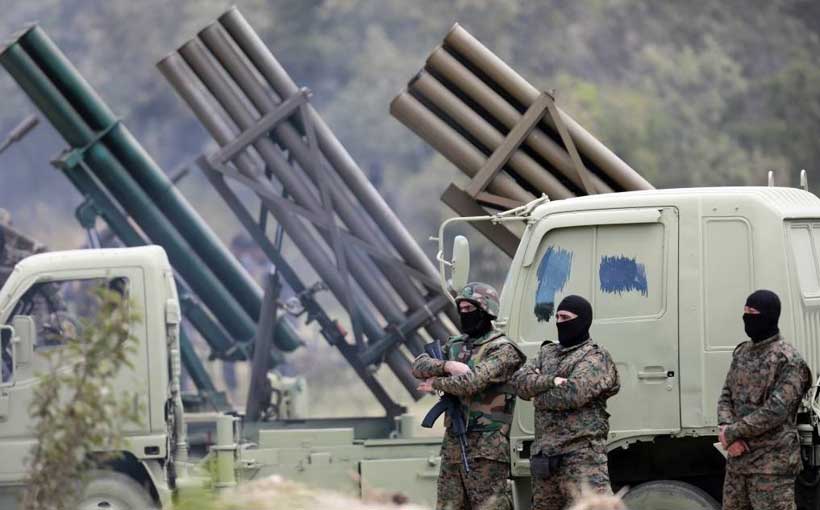
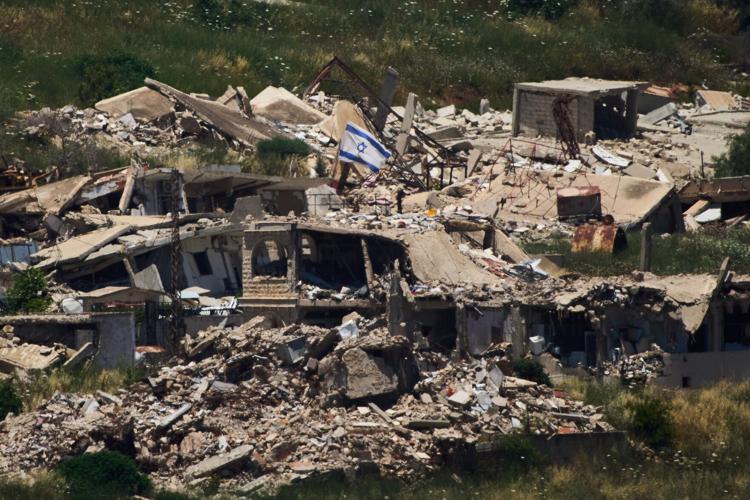
President Aoun also conveyed a direct message to Hezbollah, the powerful Tehran-backed group that plays a significant role in Lebanese politics and military affairs. He stressed that diplomacy was the only viable solution to the protracted conflict with Israel. "Hezbollah must understand that (there is) no other way but to sit and talk, no other way to solve this problem and to save what’s left except through negotiation and diplomacy," President Aoun affirmed. He added that the people "deserve not seeing their homes destroyed every five to ten years," asserting, "You are not trying to help us. The people of Lebanon are paying the price." This sentiment reflects a widespread longing for peace and stability after years of intermittent conflict.
Hezbollah Rejects Ceasefire Amidst Diplomatic Efforts
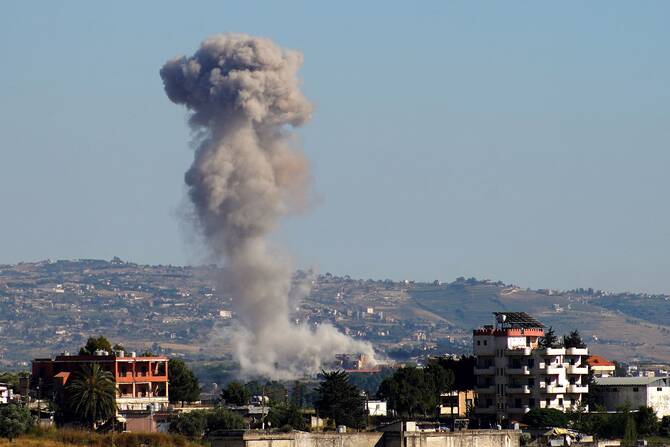
Despite these calls for diplomacy, Hezbollah rejected a ceasefire plan on Thursday that had been agreed upon by Lebanese and Israeli government officials following US-mediated talks in Washington. The US State Department confirmed on Thursday that Israel and Lebanon had agreed to implement this plan after US-led negotiations, signaling a potential breakthrough in de-escalating regional tensions. The ceasefire agreement was contingent on Hezbollah ceasing fire and its fighters withdrawing from southern Lebanon, specifically evacuating from the area south of the Litani River, a strategic area near the Israeli border. This proposed withdrawal was a key component designed to create a buffer zone and reduce immediate military confrontations.
However, Hezbollah leader Qassem stated on Thursday that the discussions between Israel and Lebanon amounted to "surrender," dismissing the diplomatic efforts. Qassem further rejected the US-backed ceasefire proposal, describing it as "a roadmap for the annihilation of a section of the Lebanese people and the enslavement of the rest." His strong condemnation noted the ideological chasm between Hezbollah's resistance stance and the diplomatic path advocated by President Aoun and international mediators. He affirmed, "As long as the occupation exists, the resistance will continue," indicating Hezbollah's unwavering commitment to its armed struggle.
Reports indicated that during talks on Tuesday, senior members of the Israeli delegation articulated that Hezbollah had not ceased fighting, despite reportedly promising US President Donald Trump on Monday that it would do so. This discrepancy raised questions about the effectiveness of indirect communication and the true intentions of all parties involved in the conflict.
Iran's Role and Regional Impact on Lebanon
Iran has reportedly made a ceasefire in Lebanon a condition for any peace agreement with Washington concerning the broader regional conflict. This linkage places Lebanon squarely in the center of larger geopolitical struggles between Iran and the United States. That wider regional conflict began with the US-Israeli attack on Tehran on February 28, an event that significantly escalated tensions across the Middle East. President Joseph Aoun criticized statements from Iran's Islamic Revolutionary Guard Corps (IRGC) that explicitly linked Lebanon to a potential US-Iran ceasefire, viewing such connections as further evidence of Iran's instrumentalization of his country.
Lebanese Prime Minister Nawaf Salam concurred with President Aoun's assessment regarding Iran's involvement, reinforcing the Lebanese leadership's unified stance on the issue. Prime Minister Salam accused Iran of bringing "destruction and ruin" to Lebanon through its actions, a powerful indictment of the consequences of foreign interference. He also spoke about Iran's rejection of the recent ceasefire framework, showing the challenges posed by Tehran's uncooperative posture in regional peace efforts.
Aoun's Persistent Diplomatic Push for Lebanese Sovereignty
President Joseph Aoun has consistently pressed for the peaceful disarmament of Hezbollah since his election as head of state by parliament last year, making it a cornerstone of his presidency. Early in the conflict, President Aoun called for face-to-face talks with Israel, a bold diplomatic move given the historical animosity between the two nations. He conveyed to CNN's Christiane Amanpour that he spoke to a diverse number of Lebanese civilians, who have told him that they are "fed up" with the ongoing war between Hezbollah and Israel. This firsthand account from his constituents further solidified his resolve to seek an end to the hostilities.
President Aoun also posed a direct question to the Israeli populace, asking them if they genuinely desired to live in "perpetual war." His appeal sought to highlight the shared human cost of the conflict and to encourage a mutual desire for lasting peace. He characterized the ongoing negotiations as a "huge opportunity" for both Lebanon and Israel, emphasizing the potential for a transformative shift in the region. This week, representatives from the United States, Israel, and Lebanon convened in Washington for another round of ceasefire discussions, demonstrating the continued international effort to mediate a resolution. President Aoun informed CNN that he would only agree to meet with Israeli Prime Minister Benjamin Netanyahu after an agreement had been successfully reached in these negotiations, signaling his commitment to a concrete outcome before engaging in high-level bilateral talks.