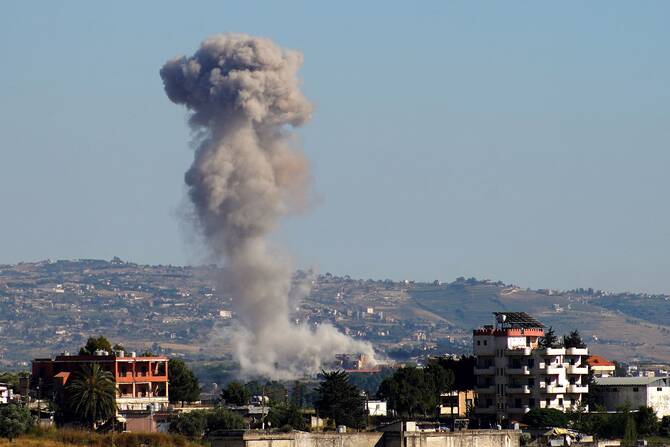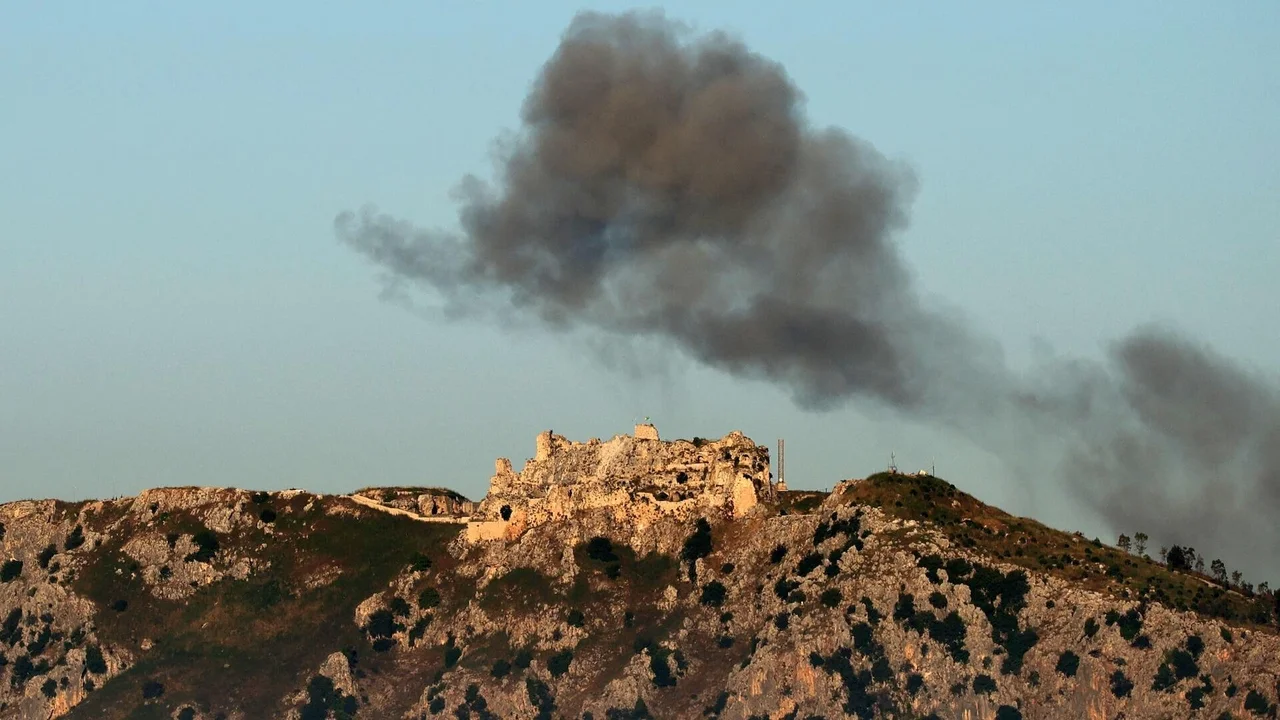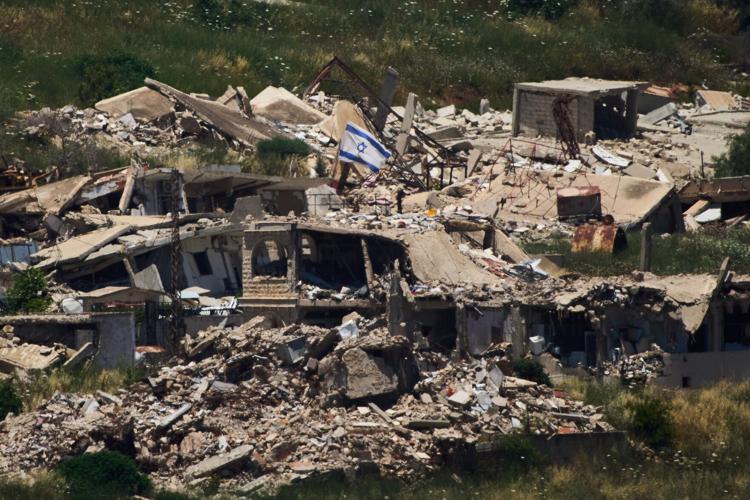
Israeli warplanes struck villages in southern Lebanon on Friday, June 5, 2026, nearly three hours after the Israeli military issued evacuation warnings for nine villages, including Anqoun. These aerial assaults targeted various locations across the southern region of Lebanon, intensifying the already volatile situation along the border. Six people died in the strikes, according to Lebanon's state news agency, adding to the mounting casualty toll in the ongoing conflict. This latest action follows an airstrike on Thursday night in the southern city of Tyre, which resulted in three fatalities and seven injuries, among them three children and two women, noting the severe impact of the hostilities on civilian populations.
The ongoing fighting has claimed over 3,500 lives in Lebanon since the conflict began, a stark indicator of the widespread devastation and human cost. During the same period, at least 29 Israeli soldiers and three civilians have been killed, showing the reciprocal nature of the violence and the significant losses sustained by both sides. The persistent exchange of fire and military operations continue to exacerbate an already dire humanitarian situation, leading to extensive displacement and destruction across the region.
Displacement and Casualties Mount
Hundreds of families evacuated the village of Anqoun and the nearby area of Aarnaya following the recent escalation, seeking safety from the renewed hostilities. The displacement adds to a growing number of people forced from their homes by the conflict. Anqoun itself had been providing shelter to approximately 2,500 individuals previously displaced by the ongoing fighting, making its targeting particularly impactful for those already vulnerable. The repeated need for evacuation shows the precarious existence of communities in southern Lebanon. In the village of Dibbine, dozens of homes have been destroyed as a result of clashes and airstrikes, illustrating the physical toll the conflict is taking on residential areas and infrastructure. The destruction in Dibbine is a grim testament to the intensity of the fighting that has swept through these border communities.
On Friday, June 5, 2026, personnel from the United Nations peacekeeping force and Lebanese troops were observed at an entrance to the village of Dibbine. This presence followed the withdrawal of Israeli forces from the village after intense clashes with Hezbollah fighters, marking a significant development in the ground operations. A bulldozer belonging to the peacekeeping force subsequently worked to clear and open the main road leading into Dibbine, facilitating access and potentially signaling a stabilization effort in the area. Speaker of Parliament Nabih Berri has stated that extensive areas have been demolished by Israeli troops during the conflict, a claim that points to the widespread destruction inflicted on Lebanese territory. This assertion by Berri emphasizes the scale of the damage and the perceived aggression from the Israeli side.
Ceasefire Stalemate and Demands
The Hezbollah militant group rejected the latest ceasefire agreement between Israel and the Lebanese government, demanding a complete Israeli withdrawal from Lebanon as a precondition for any lasting truce. This demand notes the fundamental disagreement that continues to impede peace efforts. The latest declared ceasefire, which called for Lebanon's armed forces to take control of security zones where militants would be banned, resulted from U.S.-brokered talks between Israel and Lebanon’s government. This proposed arrangement aimed to create a demilitarized buffer zone, but its implementation remains contentious. However, Lebanon’s government has accused Hezbollah of dragging the country into war, reflecting internal divisions within Lebanon regarding the militant group's actions and their consequences. This accusation shows the complex political landscape in Lebanon, where the government is attempting to navigate both internal and external pressures.
Lebanon’s Parliament Speaker Nabih Berri stated he would accept Hezbollah’s withdrawal from areas south of the Litani River if it coincided with the withdrawal of Israeli troops from southern Lebanon, presenting a reciprocal condition for de-escalation. Berri criticized what he referred to as "pilot zones" in the agreement, suggesting that these specific provisions were problematic or insufficient for a full resolution. He also rejected calls for a unilateral ceasefire by Hezbollah and its withdrawal from border areas south of the Litani River, emphasizing that any cessation of hostilities must be mutual and full. Berri asserted that the ceasefire should be “complete and full” without any restrictions or conditions on land, at sea and in the air, and “without bulldozing and demolishing everything that exists.” This full demand from Berri indicates a desire for a holistic and unconditional end to all military activities. Reports also indicated that Iran has demanded any lasting truce extend to Lebanon, signaling a broader regional interest in the conflict's resolution and its interconnectedness with other geopolitical issues. This demand from Iran further complicates the negotiation process, linking the local conflict to wider regional dynamics.
Broader Regional Implications
The ongoing conflict in Lebanon threatens broader efforts to resolve the Iran war and facilitate the reopening of the Strait of Hormuz, according to reports. This assessment underlines the interconnected nature of regional security dynamics, where an escalation in one conflict zone can impede de-escalation in another. The Strait of Hormuz, a critical maritime chokepoint, remains central to global energy markets, and its closure or restricted passage significantly impacts international trade and stability. The persistent hostilities along the Israel-Lebanon border create an environment of heightened tension that can easily spill over, making diplomatic breakthroughs on other fronts more challenging. Efforts to secure a lasting peace in the Iran war have been complicated by the persistent hostilities along the Israel-Lebanon border, as regional actors perceive these conflicts as intertwined elements of a larger geopolitical struggle. The destabilization in one area can undermine confidence and trust necessary for progress in another, creating a ripple effect across the Middle East.
Israeli Prime Minister Benjamin Netanyahu has indicated a desire to continue Israel’s offensive until Hezbollah is no longer perceived as a threat. This stated objective suggests a sustained military engagement, potentially prolonging the regional instability that could further hinder diplomatic initiatives in the broader Middle East. The Prime Minister's stance reflects a commitment to addressing what Israel views as a significant security challenge from the militant group, signaling a long-term strategy rather than a quick resolution. Such an approach could sustain the current level of conflict, impacting not only direct parties but also indirectly affecting the trajectory of other regional peace processes, including those concerning the Strait of Hormuz. The continuation of military operations, driven by the goal of neutralizing Hezbollah, carries the risk of further entrenching the conflict and making a full regional de-escalation more elusive. This firm position from the Israeli leadership shows the deep-seated security concerns that drive their military actions and their reluctance to cease operations without achieving their stated objectives.
Historical Context and Buffer Zones
The Litani River, located approximately 30 kilometers (20 miles) north of the border with Israel, forms the boundary of a buffer zone established by the United Nations in 2006, where Hezbollah is prohibited. This U.N.-mandated zone was intended to maintain a degree of separation between armed groups and the Israeli border, contributing to regional stability. Reports indicate that Israeli troops have advanced past the Litani River into southern Lebanon, a move that signifies a significant breach of the established buffer zone and a deeper incursion than typically observed. This advance marks the deepest penetration by Israeli forces into southern Lebanon since Israel's 1982-2000 occupation, with troops seizing approximately one-fifth of Lebanon and large swaths of the south since March 2. The scale of this incursion notes a substantial shift in the operational dynamics and the extent of Israeli military presence within Lebanese territory, raising concerns about the potential for prolonged occupation and further escalation. The historical precedent of the 1982-2000 occupation adds a layer of gravity to the current military movements, evoking memories of past conflicts and extended foreign presence.
However, Israeli troops recently pulled out from an area in southern Lebanon, marking the first such withdrawal since the current Israel-Hezbollah conflict began three months prior. This specific withdrawal, while limited, offers a glimmer of hope for potential de-escalation, even as the broader conflict continues. The movement of forces, both advancing and withdrawing, illustrates the fluid and unpredictable nature of the conflict on the ground. The ongoing struggle for control over these border areas, coupled with the significant human and material costs, shows the urgent need for a full and lasting resolution that addresses the underlying grievances and security concerns of all parties involved. The intricate interplay of military actions, diplomatic efforts, and regional political dynamics continues to shape the trajectory of this deeply entrenched conflict.