Negotiations between the United States and Iran remain at a standstill, with Tehran having set a ceasefire between Israel and Hezbollah as a condition for any peace deal with Washington. The stalled talks come amidst ongoing regional tensions, which have seen a significant escalation in recent days. These complex and multifaceted discussions are further complicated by a range of demands from the Iranian side, extending beyond regional stability to economic and strategic concerns.
Hezbollah Conflict Conditions and Regional Stability
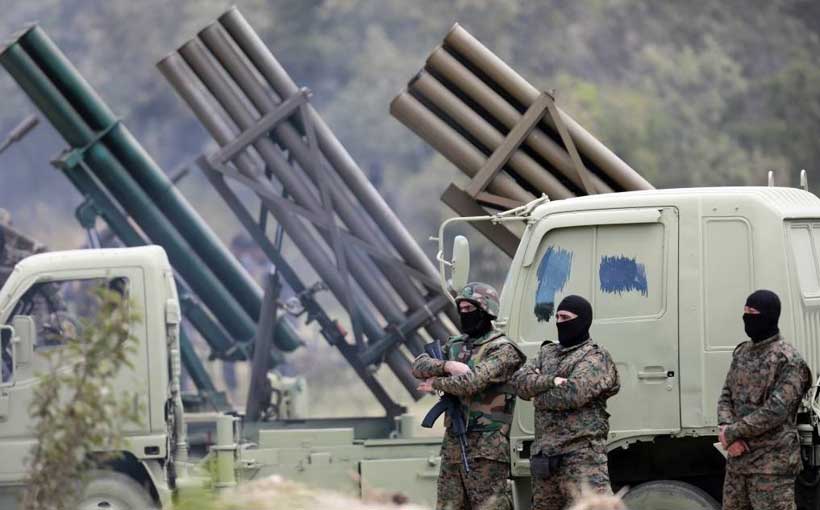
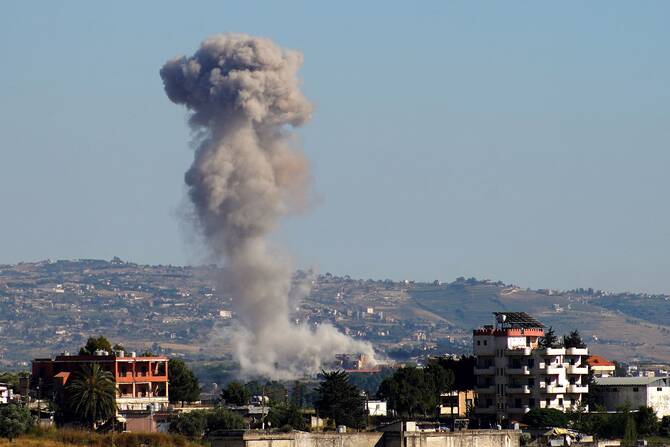
The persistent conflict between Israel and Hezbollah continues to be a major point of contention, marking four months since the regional war began. The ongoing exchange of fire shows the fragility of the regional security landscape. Despite this sustained hostility, Israel and Hezbollah had reportedly agreed this week to a mediated ceasefire, offering a fleeting glimmer of hope for de-escalation. However, skirmishes continue, noting the volatile nature of the situation. On Friday, the conflict saw a significant development with Israel killing Abed Harb, the head of Hezbollah's engineering unit, a move that could further inflame tensions. The Israel Defense Forces (IDF) claimed that Hezbollah had launched surface-to-air missiles at Israeli aircraft, indicating a continued and active engagement between the two entities. Iran has unequivocally stated its position, affirming that it will not move forward with a US deal without a full ceasefire in Lebanon. This condition shows Tehran's deep concern for regional stability and its strategic alignment with Hezbollah, positioning a resolution to the Lebanon conflict as a prerequisite for any broader diplomatic breakthrough with Washington.
Frozen Assets and the Strategic Strait of Hormuz
Beyond the immediate regional conflict, Iran has laid out specific economic and strategic conditions for a potential peace deal with the United States. A primary demand from Tehran is the release of $24 billion in frozen assets. Iran demands the release of these funds as a key condition for any potential peace deal with the United States, emphasizing the economic leverage it seeks to regain. Tehran has also stipulated that any peace agreement hinges on Washington releasing these significant funds, signaling their importance in the overall negotiation framework.
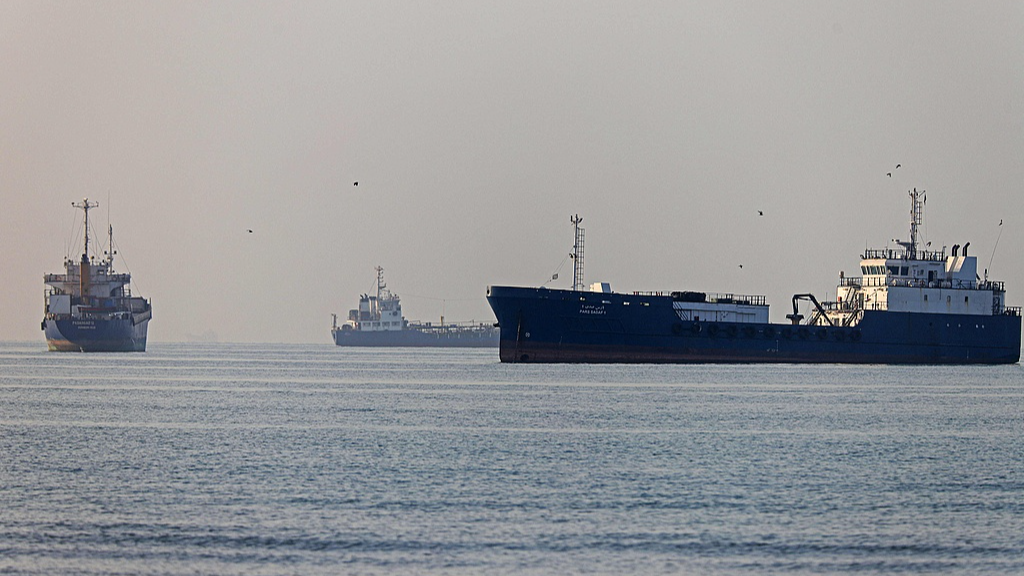
Separately, Iran has conditioned a peace deal on restarting shipping through the vital Strait of Hormuz, a critical chokepoint for global oil supplies. This condition notes Iran's desire to assert its influence over this strategic waterway and ensure unimpeded economic activity. The Strait of Hormuz has recently been the scene of heightened military activity, further complicating the prospects for a swift resolution.
On Friday, Iran launched multiple drones towards the Strait of Hormuz, an act that was met with immediate response from international forces. US forces subsequently shot down the drones, preventing any potential disruption or harm. In a separate incident that same day, Iran's Islamic Revolutionary Guard Corps (IRGC) fired upon four tankers attempting to cross the Strait of Hormuz without permission. This aggressive action by the IRGC shows the volatile nature of the region and Iran's willingness to enforce its perceived control over the strait. The US military retaliated for Iran's drone attacks with targeted strikes on Iranian radar sites, demonstrating a firm response to the perceived threats. The situation escalated further on Saturday, when the IRGC announced it had targeted US bases in Kuwait and Bahrain with ballistic missiles, raising serious concerns about a broader regional confrontation. These military actions and counter-actions in and around the Strait of Hormuz directly challenge the condition set by Tehran for restarting shipping, creating a paradoxical situation where Iran's actions contradict its stated demands for a peace deal. The continued military posturing by both sides makes the prospect of open and secure shipping through the strait increasingly uncertain, further complicating any potential diplomatic solutions.
Stalemate and Path Forward
Negotiations between the United States and Iran are currently at a deadlock, according to recent reports, with both sides seemingly entrenched in their positions. This stalemate is exacerbated by the ongoing military confrontations and the complex web of conditions laid out by Tehran. Iranian officials have issued stark warnings, cautioning that renewed military confrontations would send the US "into a dark corridor," a clear threat of escalating consequences should diplomatic efforts fail. Iranian sources claim that US President Donald Trump must take decisive action to break this deadlock, placing the onus on Washington to initiate a breakthrough. Despite the ongoing tensions and the absence of a full peace agreement, there has been one notable sign of de-escalation: the United States and Iran have extended their April ceasefire. This extension, while limited in scope, offers a slim hope that both parties recognize the importance of preventing further uncontrolled escalation, even as the broader peace talks remain frozen. The path forward appears fraught with challenges, requiring significant diplomatic effort and a potential shift in positions from both sides to overcome the current impasse.