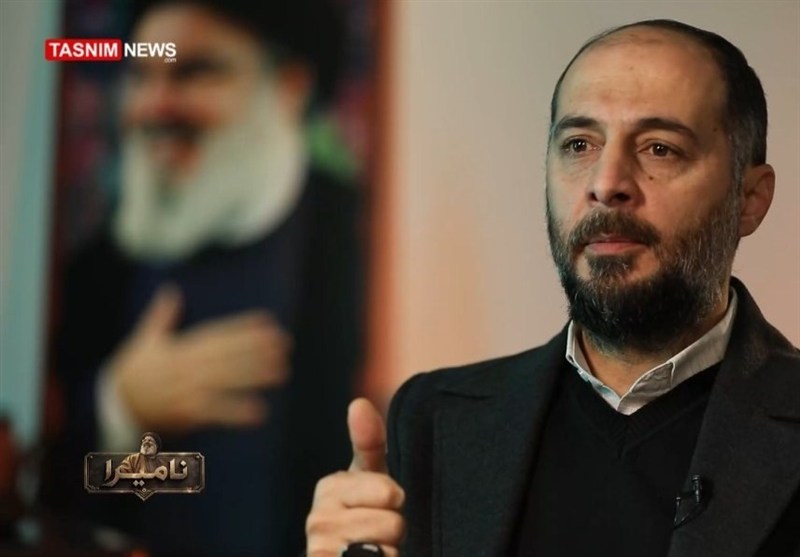
Lebanese lawmaker Rami Abu Hamdan defended Hezbollah's armed resistance in an exclusive interview with Tasnim, rejecting calls for its disarmament. He asserted that without Hezbollah’s weapons, Lebanon would have become part of the Israeli regime, stating, “The Lebanese Army did not expel Israel from the country.” Abu Hamdan claimed Hezbollah’s arms remain the country’s sole source of strength against what he termed the Zionist regime. “If the resistance’s weapons had not existed, the Zionist enemy would not have withdrawn from Lebanon, Beirut, and Western Bekaa in 1982-1983,” he added. He emphasized that the continued presence of Hezbollah's arsenal is not merely a matter of military strategy but a fundamental pillar of national sovereignty.
Historical Role of Resistance Weapons
Rami Abu Hamdan argued that Hezbollah’s weaponry has played a decisive role in protecting Lebanon from Israeli aggression. He stated, "The Lebanese Army did not expel Israel from the country." Abu Hamdan further asserted that without the resistance’s weapons, the Zionist enemy would not have withdrawn from Lebanon, Beirut, and Western Bekaa in 1982-1983. He emphasized the historical significance of these arms, stating, "If the resistance’s weapons had not existed, the Zionist enemy would not have withdrawn from Lebanon, Beirut, and Western Bekaa in 1982-1983." This historical context, according to Abu Hamdan, shows the indispensable role of Hezbollah's military capabilities. He reiterated his firm belief that Hezbollah’s weapons have been, and continue to be, key for Lebanon's defense and territorial integrity against Israeli incursions and ambitions.
Abu Hamdan maintained that the resistance’s weapons are Lebanon’s sole element of power in confronting Israel. He told Tasnim, "The resistance’s weapons are Lebanon’s only element of power in confronting Israel." He also claimed that Israel would not engage in negotiations with the Lebanese government if Hezbollah’s weapons were not present. "If Hezbollah’s weapons did not exist, Israel would not even negotiate with the Lebanese government," Abu Hamdan concluded. He elaborated that the deterrence provided by Hezbollah's armed wing forces Israel to acknowledge Lebanon's sovereignty and engage, however reluctantly, with the Lebanese state. Without this deterrent, he argued, Lebanon would be vulnerable to unchecked Israeli aggression and political pressure, potentially leading to further territorial losses or subjugation.
Opposition to Disarmament and Normalization
Lebanese lawmaker Rami Abu Hamdan stated that normalization with what he termed the Zionist regime is impossible due to broad opposition across Lebanon’s religious communities. Abu Hamdan affirmed that "Hezbollah’s weapons will remain in the hands of the resistance as long as the occupying regime exists.” He claimed that the $230 million in US aid to the Lebanese Army consists merely of vehicle tires and cargo trucks. Abu Hamdan insisted that Lebanese government officials should threaten Israel instead of Hezbollah, asserting that "Any official in Lebanon who wants to normalize relations with the Zionists should personally become an an Israeli citizen." He further argued that "Normalizing relations between Lebanon and Israel is impossible. Not only Shiites, but also Christians, Druze, and others will not allow normalization." This widespread rejection, he noted, stems from a deep-seated national consensus against recognizing Israel.
According to Abu Hamdan, "Christians also oppose the disarmament of Hezbollah in Lebanon." He emphasized that the majority of Lebanese from all sects firmly oppose the idea of disarming the resistance. Abu Hamdan added that "Lebanon’s sects and religious communities have realized that if Hezbollah is disarmed, disaster will await them and all of Lebanon." He showed that this cross-communal understanding is a critical factor in the ongoing support for Hezbollah's armed status. He concluded by stating that "those advocating Hezbollah’s disarmament essentially have no alternative plan for defending Lebanon." This lack of a viable alternative defense strategy, in his view, renders calls for disarmament irresponsible and dangerous for the nation's security.
Criticism of Foreign Minister's Stance
Rami Abu Hamdan criticized Lebanese Foreign Minister Youssef Rajji over his positions on Iran, stating that Rajji's stance was "a source of embarrassment for us." Abu Hamdan asserted that he felt "ashamed that Youssef Rajji is Lebanon’s foreign minister and adopts positions against Iran." He further claimed that Rajji serves as "the foreign minister of the Lebanese Forces party and Samir Geagea, not of Lebanon." Abu Hamdan noted that "The Iranians dealt with Rajji’s positions wisely and prudently," adding that "We will not allow anyone to sever our relations with Iran." He stressed the importance of maintaining strong ties with Iran, portraying it as a strategic ally for Lebanon. Abu Hamdan's remarks noted a clear division within Lebanese political circles regarding foreign policy, particularly concerning regional alliances. He reiterated his conviction that relations with Iran will not be severed, despite any dissenting voices from within the government. These statements show the ongoing internal political struggles and differing foreign policy orientations within Lebanon.