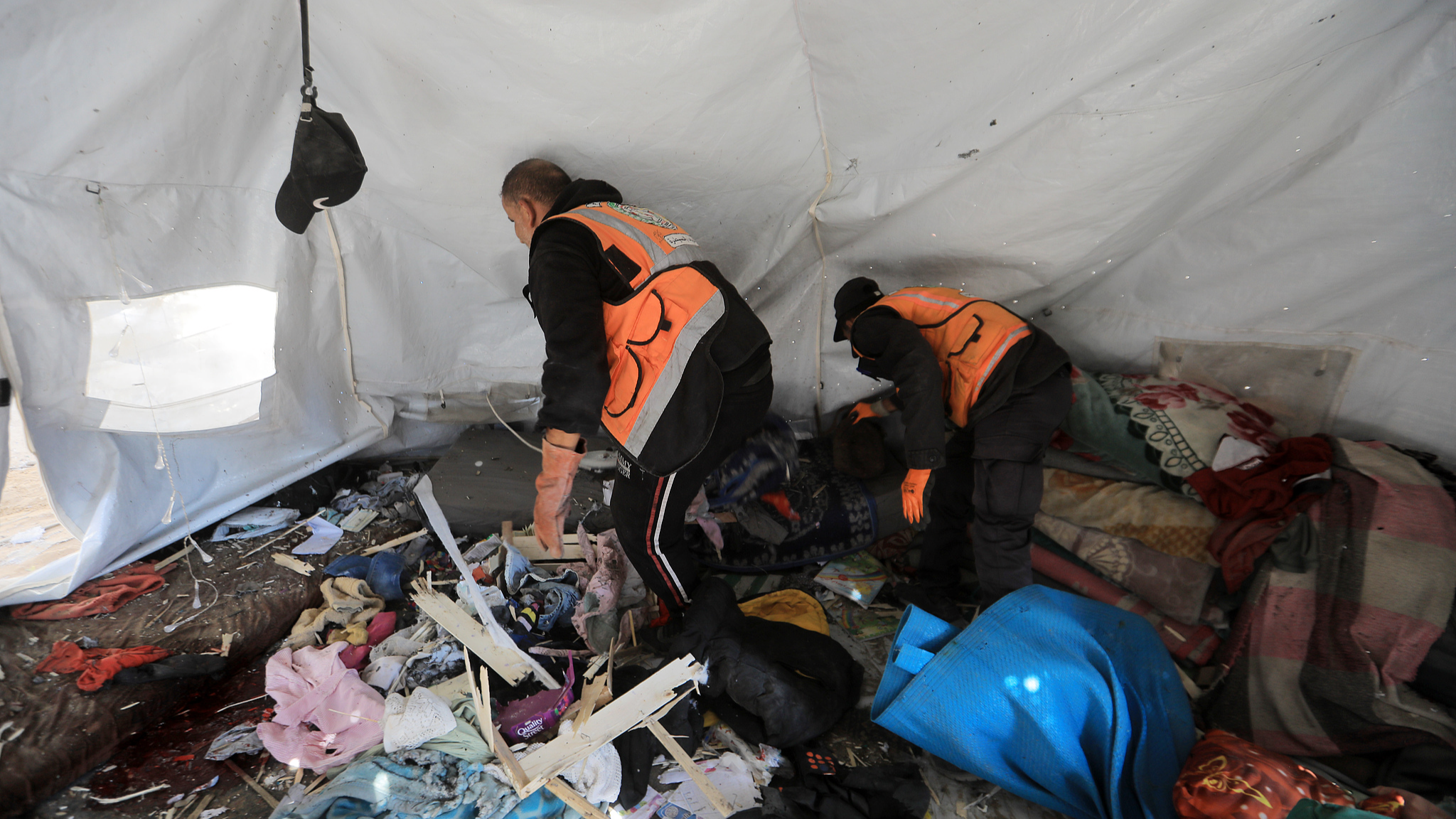
Israeli forces pressed ahead with military operations in Gaza City and south Lebanon on Saturday, killing and wounding multiple people and resulting in widespread casualties. An Israeli air strike on a camp for displaced people west of Gaza City killed at least six Palestinians, including two women, and wounded 15 others, according to Palestinian sources. Reports indicated Israeli drones fired two missiles at a tent inside the camp, leaving some of the wounded in serious condition. This particular strike on a camp for displaced people shows the ongoing humanitarian crisis and the severe impact of military actions on civilian populations in the region.
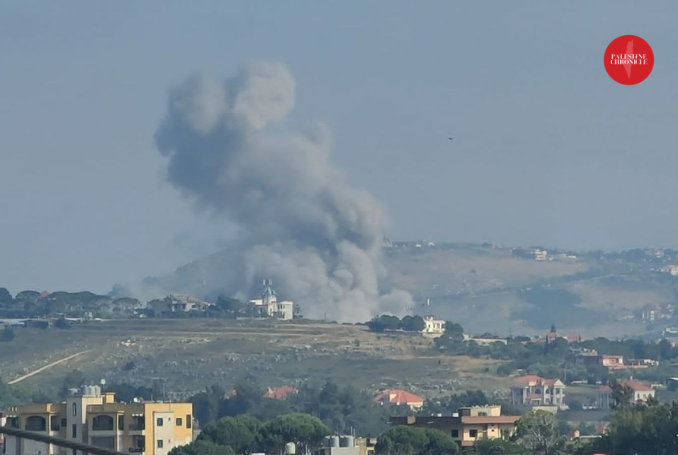
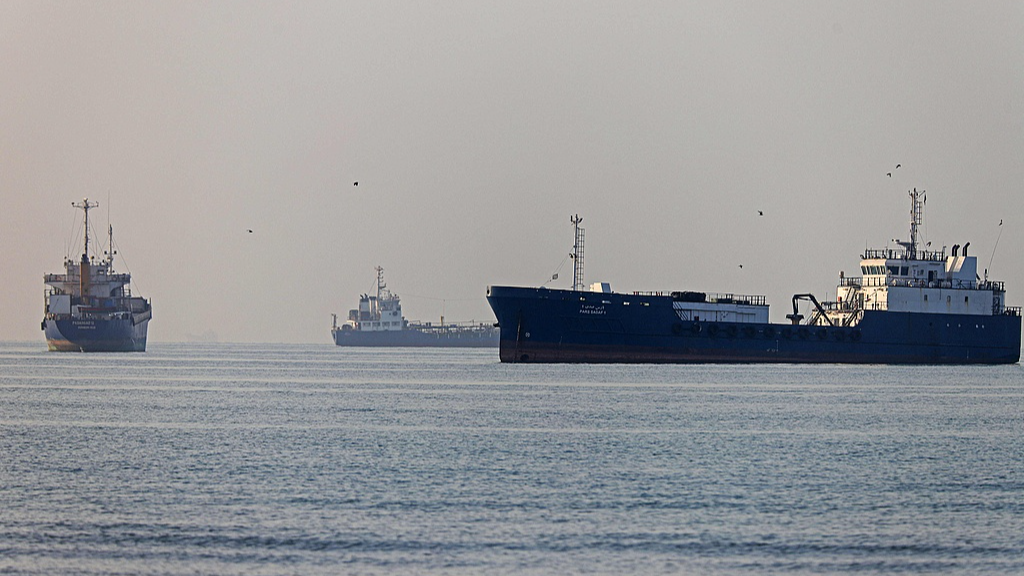
The Israel Defense Forces (IDF) said it struck approximately 150 Hezbollah military infrastructure sites in south Lebanon over the weekend, including weapons depots, command centers, and rocket launchers. These strikes are part of a broader campaign against what Israel identifies as hostile military assets. On Saturday alone, Israeli attacks killed at least 14 people across south Lebanon. These fatalities included six in the town of Saksakiyeh, one on the Deir al-Zahrani highway, two in the town of Harouf, one in Jouaiya, and one on a motorcycle in Abbassiyeh, identified as assistant nurse Ali Samadi, according to Lebanon's National News Agency. The intensity of these operations notes the escalating tensions along the Israel-Lebanon border.
Gaza Strip Under Fire
Israel has recently intensified its air strikes across the Gaza Strip, targeting residential homes, tents sheltering displaced people, and Palestinian gatherings, according to Palestinian claims. This escalation has drawn significant concern from international observers regarding the safety of civilians. Gaza-based health authorities reported that hospitals in the enclave received five bodies and treated 49 wounded over the past 48 hours, indicating a continuous stream of casualties requiring urgent medical attention. The health ministry in Gaza further stated that Israeli attacks had killed more than 1,700 medical personnel and first responders during the war, a figure that shows the perilous conditions faced by healthcare workers attempting to provide aid.
Since a ceasefire in Gaza took effect in October 2025, Israeli fire has killed 951 Palestinians, bringing the total death toll to 72,961 since October 7, 2023. These figures, provided by Palestinian sources, reflect the devastating human cost of the ongoing conflict. Separately, Lebanon's Public Health Emergency Operations Center reported that Israeli attacks in Lebanon had resulted in 3,593 dead and 10,990 injured since March 2, painting a grim picture of the conflict's impact beyond the Gaza Strip. The sheer scale of these numbers points to a humanitarian catastrophe unfolding across both territories.
Deadly Strikes in South Lebanon
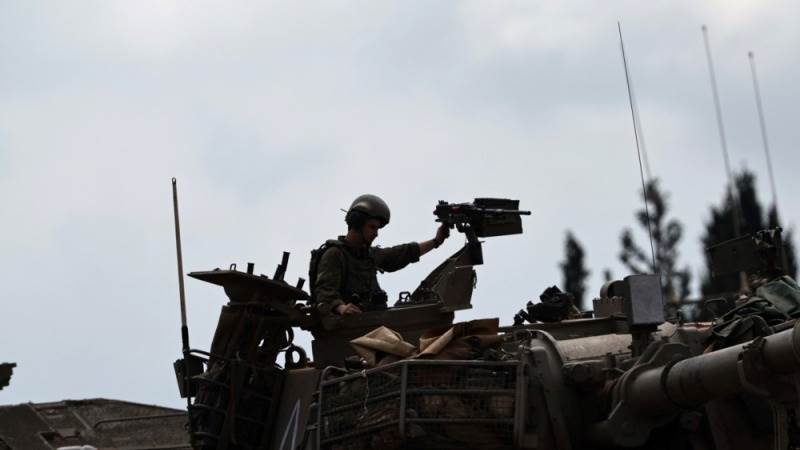
At least 14 people, including three Lebanese army personnel, were killed in Israeli attacks across south Lebanon on Saturday, according to Lebanon's National News Agency. The Lebanese army confirmed that its three soldiers were killed while conducting a patrol in a vehicle within the Nabatieh area, an incident that prompted immediate investigation. The Israel Defense Forces (IDF) stated it has launched an investigation into the strike, claiming the vehicle was identified in an active combat zone, with intelligence indicating a threat from Hezbollah in the vicinity. The Israeli military emphasized that its operations specifically target Hezbollah, not the Lebanese army, seeking to clarify its operational intent and avoid broader conflict with state forces.
In response to ongoing hostilities, the Israeli military issued evacuation orders for several towns and villages. These orders applied to communities within the Jezzine district and Ansariyeh, forcing residents to leave their homes amidst heightened security concerns. Since March, Israel reports that Hezbollah's strikes have resulted in the deaths of 18 Israeli soldiers and four civilians, noting the reciprocal nature of the violence and the dangers faced by both military personnel and non-combatants. The cycle of attacks and counter-attacks continues to destabilize the border region.
Targeting First Responders and Civilians
The targeting of first responders has become a particularly distressing aspect of the conflict. Hussein Jaber, 32, and Ahmad Noura, 45, both first responders with Lebanon's interior ministry, were killed by an Israeli drone on May 12 in Nabatieh as they attempted to rescue a man wounded in an earlier strike; a third medic accompanying them was injured in the incident. These two men were the latest of over 100 first responders killed in Israeli airstrikes since the war between Israel and Hezbollah began on March 2, according to reports. Although a ceasefire between Israel and Lebanon took effect in April, Israeli attacks have not slowed, raising serious questions about adherence to international protocols regarding humanitarian workers. Doctors Without Borders called the killing of rescue workers "part of an alarming pattern," urging greater protection for those providing essential assistance in conflict zones.
Israel has accused Hezbollah of using ambulances and medical facilities for military purposes, claims that Lebanon's health ministry denies, further complicating the narrative surrounding these incidents. In another incident, Hadi Daher, Hussein Al-Sati, and Hussein Ghadbouni, also first responders, were killed while responding to a strike in Majdal Zoun, demonstrating the persistent risks faced by these individuals. Joud Suleiman was killed in an Israeli strike in March alongside 24-year-old Ali Jaber as they were en route to a rescue mission, showing the dangers inherent in their life-saving work. More than 380 people have been killed since the April ceasefire began, indicating that the agreement has not effectively curbed the violence. Amal Khalil, a journalist for the Lebanese daily newspaper Al-Akhbar, was killed in an Israeli strike in the southern town of Baisariyah, with her colleague, freelance photojournalist Zeinab Faraj, wounded in the same attack, noting the risks faced by media personnel covering the conflict. Official Lebanese figures state Israeli attacks have killed at least 2,896 people in Lebanon and displaced nearly a million from the south since the war began, creating a profound humanitarian crisis and massive internal displacement within the country.