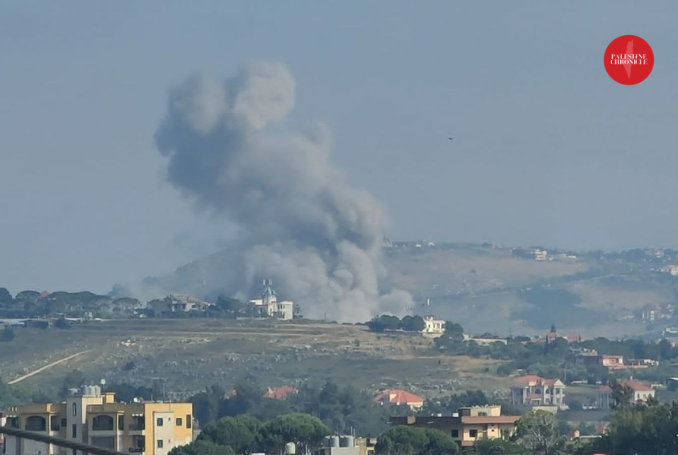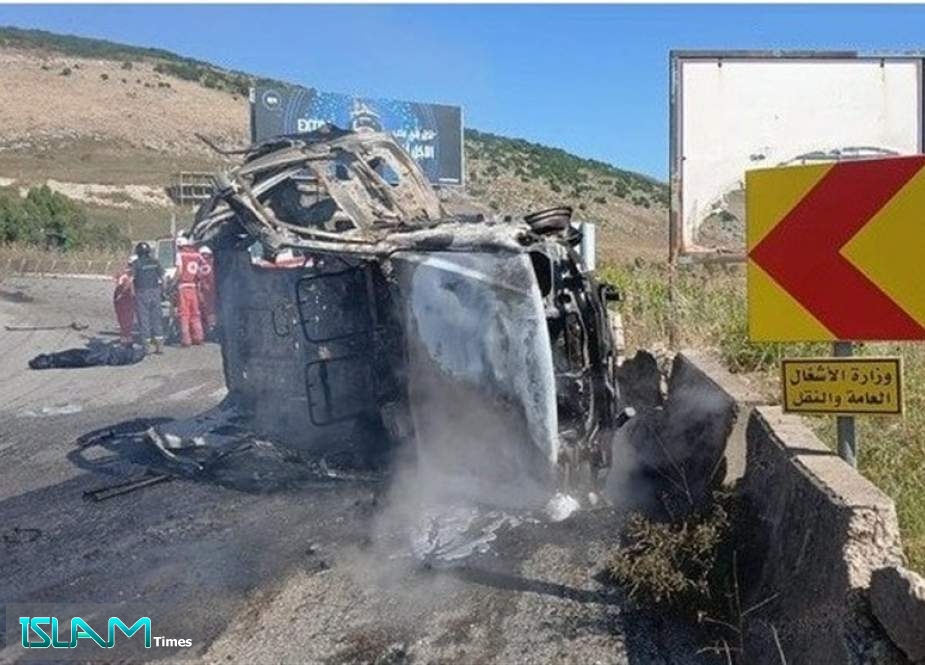
Iran has vehemently condemned an Israeli airstrike in southern Lebanon that resulted in the deaths of Lebanese army personnel. The spokesperson for the Iranian Foreign Ministry extended profound condolences to Lebanon following the tragic incident, which saw three Lebanese army personnel killed. The ministry described the attack as a blatant crime against the Arab country, its army, and its sovereignty, showing the severity of the violation from Tehran's perspective. The Lebanese Army officially confirmed that several military personnel, including a senior officer, Brigadier General Wissam Sabra, a captain, and another soldier, were killed when an Israeli airstrike specifically targeted a military vehicle. This vehicle was traveling on the Khardali-Nabatieh road in southern Lebanon when it was struck. Reports from the region indicated that Saturday's Israeli airstrikes on southern Lebanon resulted in a total of nine fatalities, with three of those confirmed to be members of the Lebanese military.
Details of the Deadly Strike
The specific incident involving the Lebanese military vehicle occurred on Saturday. Esmaeil Baqaei, a prominent figure, posted on his X account, expressing deep sorrow and mourning the deaths of the three Lebanese military forces. He confirmed that their deaths were a direct consequence of an Israeli airstrike that targeted their military vehicle on the Khardali road in southern Lebanon. Baqaei's statement was unequivocal, asserting, "The targeting of Lebanese Army personnel by the Israeli enemy once again confirms that the occupying regime's hostility is directed against Lebanon in all its components and segments." He elaborated on this point, stating that the Zionist regime "makes no distinction between an army soldier, a resistance fighter, and a civilian," further emphasizing that it does not differentiate between "a child, a woman, and an elderly person."
Baqaei's condemnation extended to a broader accusation against Israeli actions, asserting that "Everyone who lives on this land is a target of its (Israeli) aggression, and all of Lebanon bears witness to its crimes." He reiterated the Iranian Foreign Ministry's stance, describing the incident as "a clear crime against Lebanon, its army, and its sovereignty." Concluding his statement, Baqaei declared, "Israel wants neither security, nor stability, nor prosperity for Lebanon," and offered a poignant tribute: "Honor and glory to the martyrs, and shame upon an enemy that knows no limits in killing, aggression, and crimes against others." These remarks highlight the strong diplomatic and moral outrage expressed by Iran regarding the incident.
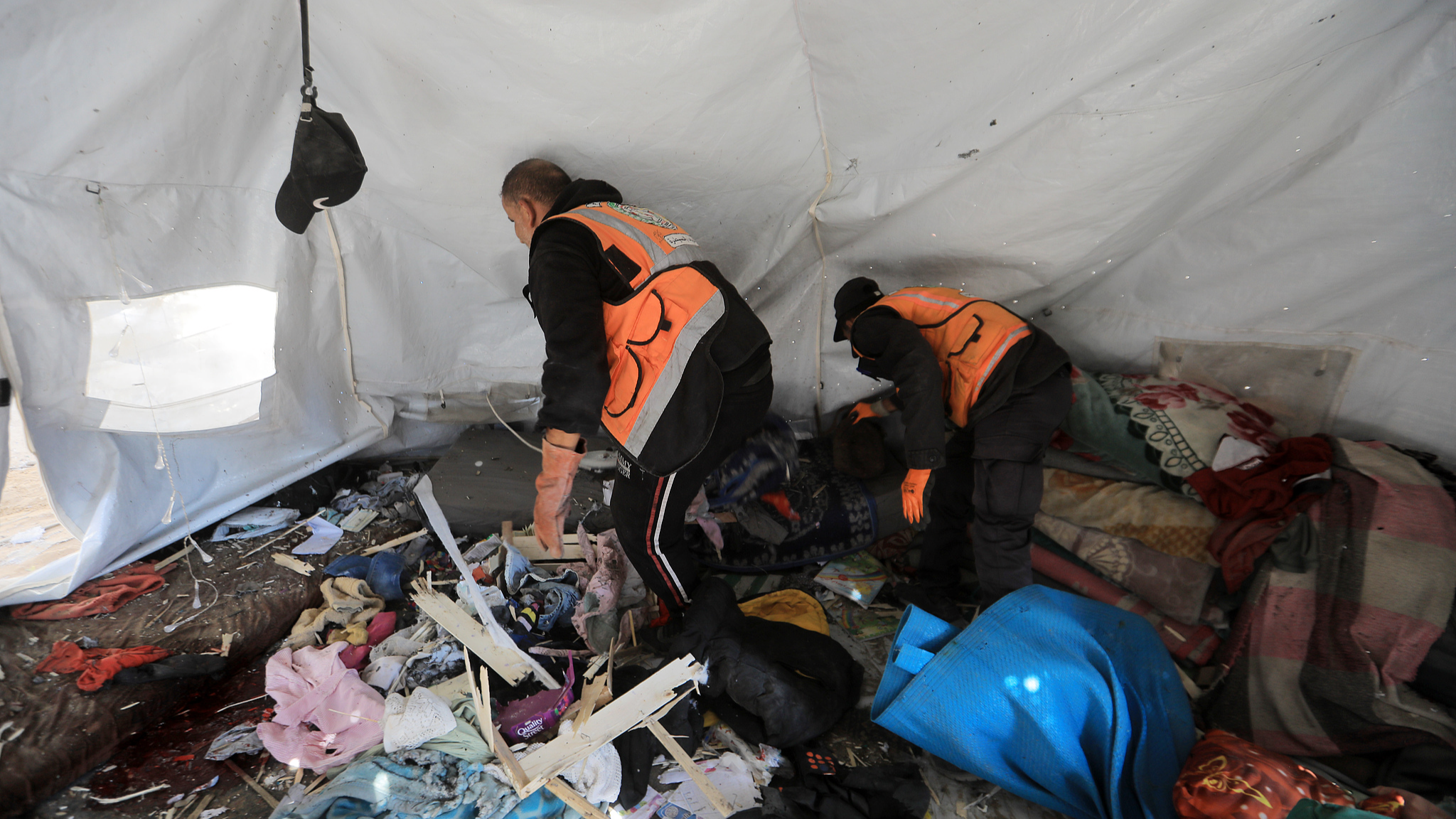
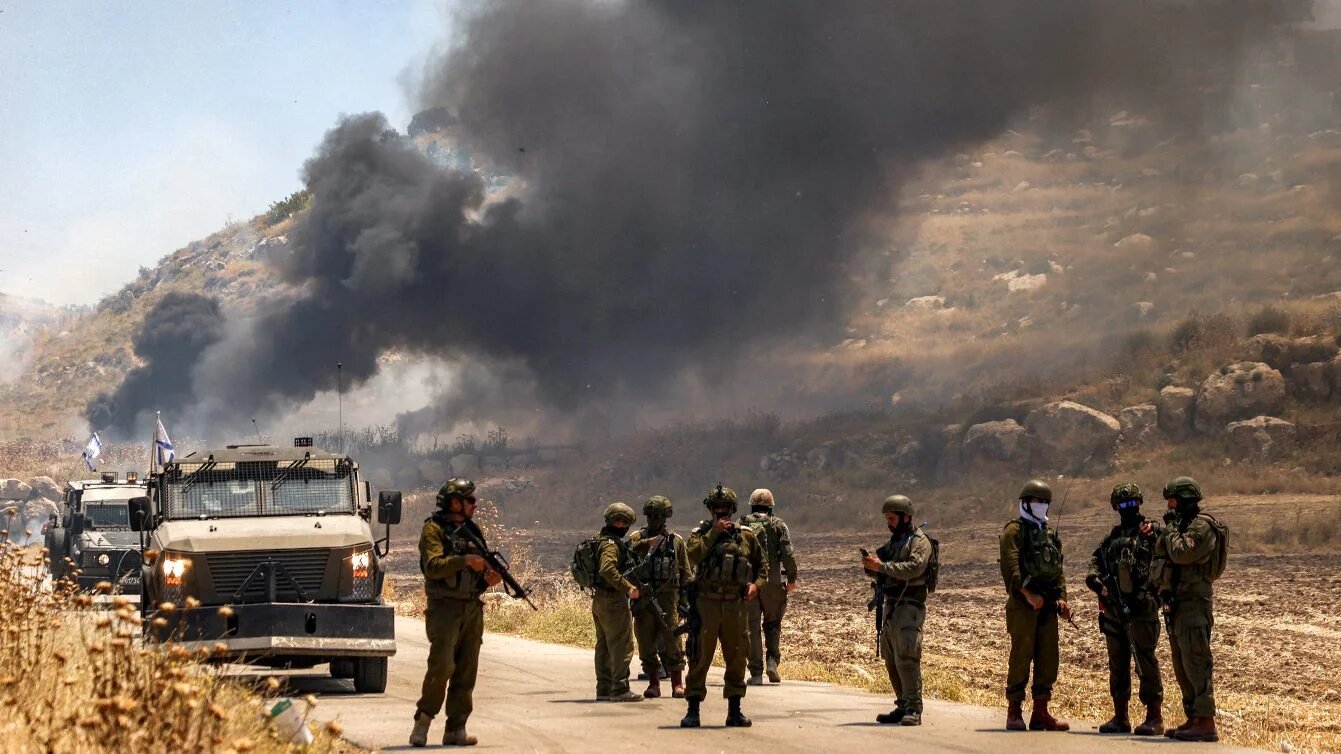
In response to the strike, the Israeli military confirmed hitting a vehicle. However, it provided a different context for its actions, stating that the vehicle was "moving suspiciously" toward soldiers near Kfar Tibnit village. The Israeli military also claimed that there were "concrete indications" that the vehicle contained militants, justifying their engagement. The Israeli military clarified its operational intent, stating unequivocally that it operates against Hezbollah and not against the Lebanese army, suggesting that the targeting of Lebanese army personnel was an unintended consequence or a result of misidentification. Beyond this specific incident, another airstrike on Saksakiyah village resulted in further casualties, killing six people and wounding four. These incidents collectively occurred on Sunday, June 7, 2026, at 01:13, marking a particularly violent period in the ongoing conflict. Following these escalating hostilities, a new ceasefire deal was subsequently reached through U.S.-brokered talks between Israel and Lebanon’s government, signaling an attempt to de-escalate the volatile situation.
Broader Conflict Context
The recent airstrikes and their tragic outcomes are set against the backdrop of a broader and deeply entrenched conflict that has seen significant casualties on both sides. The fragility of the situation is showed by previous losses. Israel's military had previously announced the deaths of two soldiers in southern Lebanon, adding to the grim toll of the ongoing hostilities. These losses illustrate the persistent and dangerous nature of the engagements along the border.
The human cost of this conflict has been devastating for Lebanon. Since the war began on March 2, more than 3,500 people have been killed in Lebanon, a stark indicator of the widespread impact on civilian lives and infrastructure. The fighting has not been one-sided in its toll; it has also resulted in significant casualties for Israel, with at least 31 Israeli soldiers and three civilians losing their lives. These figures show the mutual suffering and the destructive cycle of violence that characterizes the conflict. In terms of territorial control, the conflict has led to substantial shifts, with Israeli troops having seized approximately a fifth of Lebanon. This territorial gain has significant implications for the sovereignty and future stability of Lebanon, adding another layer of complexity to the already tense geopolitical landscape. The ongoing military operations and their consequences continue to fuel regional instability, drawing condemnation and calls for de-escalation from international actors.
Diplomatic Fallout and Accusations
The recent events have also triggered significant diplomatic fallout, particularly concerning the efforts to establish a lasting peace. On Friday, a notable divergence in diplomatic approaches became apparent when Lebanese President Joseph Aoun and the country's prime minister publicly criticized Iran. Their criticism centered on Iran's opposition to the most recent ceasefire agreement, which had been painstakingly negotiated. This public rebuke from Lebanon's highest political figures noted a significant rift, suggesting that not all regional allies are aligned on the best path forward for de-escalation.
The Lebanese leaders' comments showed a growing frustration within Lebanon regarding the ongoing conflict and the perceived obstacles to achieving a stable peace. Their public stance against Iran's position on the ceasefire deal indicates a desire to prioritize an end to hostilities and the suffering of their populace, even if it means diverging from the views of a traditional ally. This diplomatic tension adds another complex dimension to the already multifaceted conflict, revealing internal and external pressures shaping the region's future. The effectiveness of future ceasefire agreements and the prospects for long-term stability will undoubtedly be influenced by these differing diplomatic strategies and the ability of regional and international actors to find common ground amidst deeply entrenched positions.