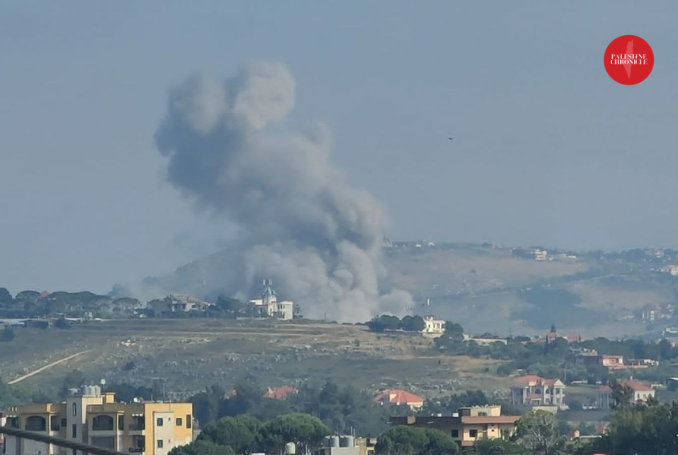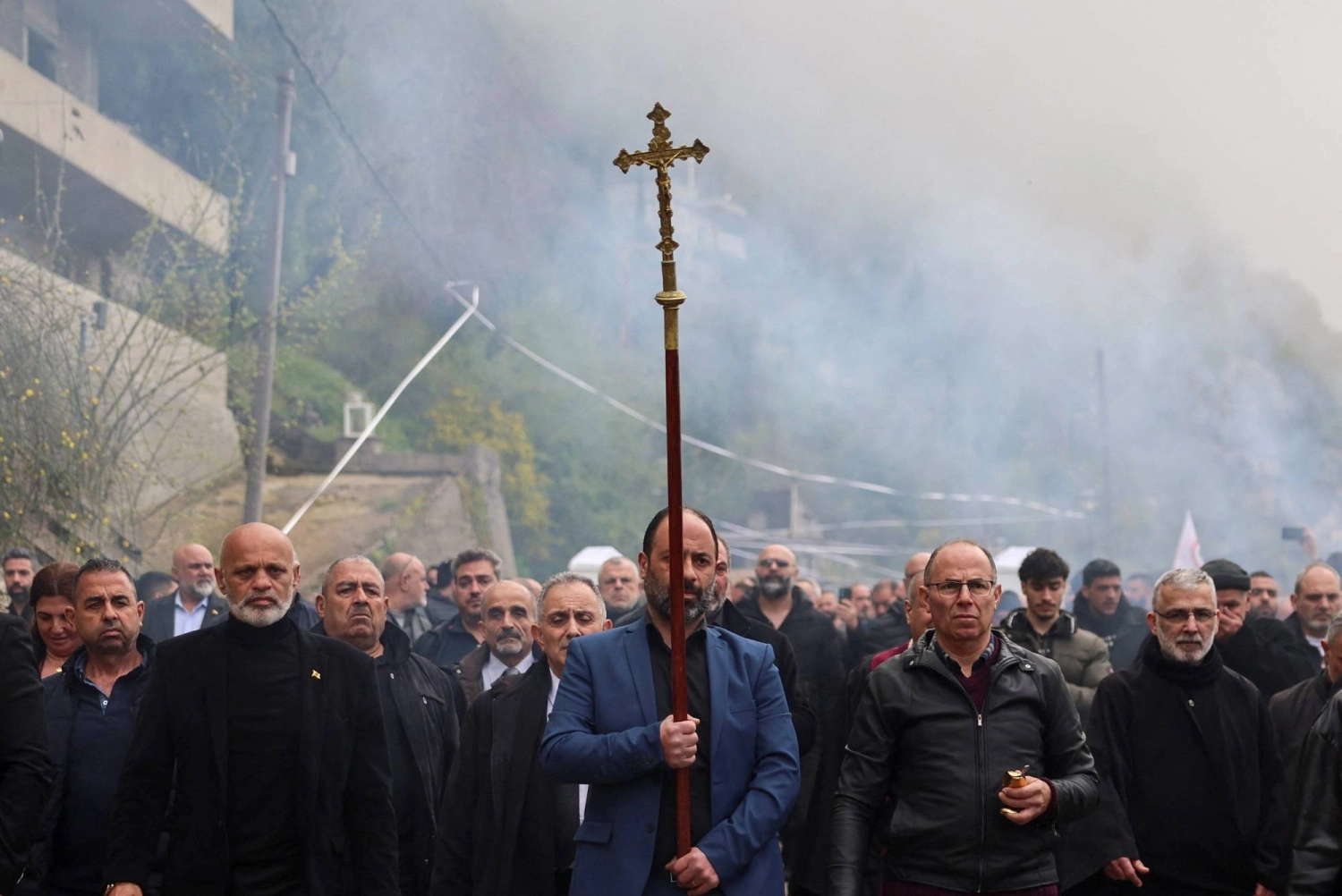
Thousands of Christians in southern Lebanon are caught in the crossfire of the conflict between Hezbollah and Israel, placing them in a precarious position. This volatile situation has forced many to make difficult choices, balancing the desire to protect their homes and livelihoods against the ever-present threat of escalating violence. The broader regional instability profoundly impacts daily life, transforming once-routine activities into acts of defiance or necessity.
Lebanese Prime Minister Nawaf Salam stated in Beirut on May 30 that the war was imposed on Lebanon, emphasizing the country's lack of agency in the ongoing hostilities. His remarks showed a widespread sentiment among Lebanese citizens that they are unwilling participants in a conflict driven by external forces and regional power dynamics. "This was not a war of choice. It was imposed on us. People of the south: you are not alone. Your pain is the pain of Lebanon," Salam said, attempting to offer solace and solidarity to those most directly affected. This declaration notes the government's perspective that the nation is a victim of circumstances beyond its control, rather than an active belligerent. The town of Rmeish, home to roughly 6,000 people, has experienced practically no destruction or deaths, yet it finds itself surrounded by wider regional chaos. This relative calm, however, is deceptive, as the threat of conflict looms large, shaping every decision and future plan for its inhabitants.
Escalating Conflict and Displacement
The current round of hostilities intensified significantly when Hezbollah fired rockets at Israel on March 2 in support of Tehran, prompting immediate Israeli retaliation. This exchange marked a critical escalation, drawing both parties deeper into a dangerous cycle of aggression. Following this, Israel issued sweeping evacuation orders and announced its intention to eliminate Shia militants from their southern bases, parts of Beirut, and the Beqaa Valley. These declarations signaled a broad and aggressive military campaign, aiming to dismantle Hezbollah's operational capabilities across multiple fronts within Lebanon. The Israeli military's stated objectives have led to widespread fear and displacement, particularly in the southern regions.
More than 400 Lebanese have been killed in Israeli strikes since a U.S.-brokered ceasefire, which began in mid-April, was largely ignored. This disregard for the ceasefire has deepened the humanitarian crisis and demonstrated the fragility of diplomatic efforts to de-escalate the situation. The death toll in Lebanon has reached at least 3,400, a stark indicator of the conflict's devastating impact on the civilian population. In contrast, ten Israeli soldiers were killed during the same period, noting the asymmetric nature of the casualties.
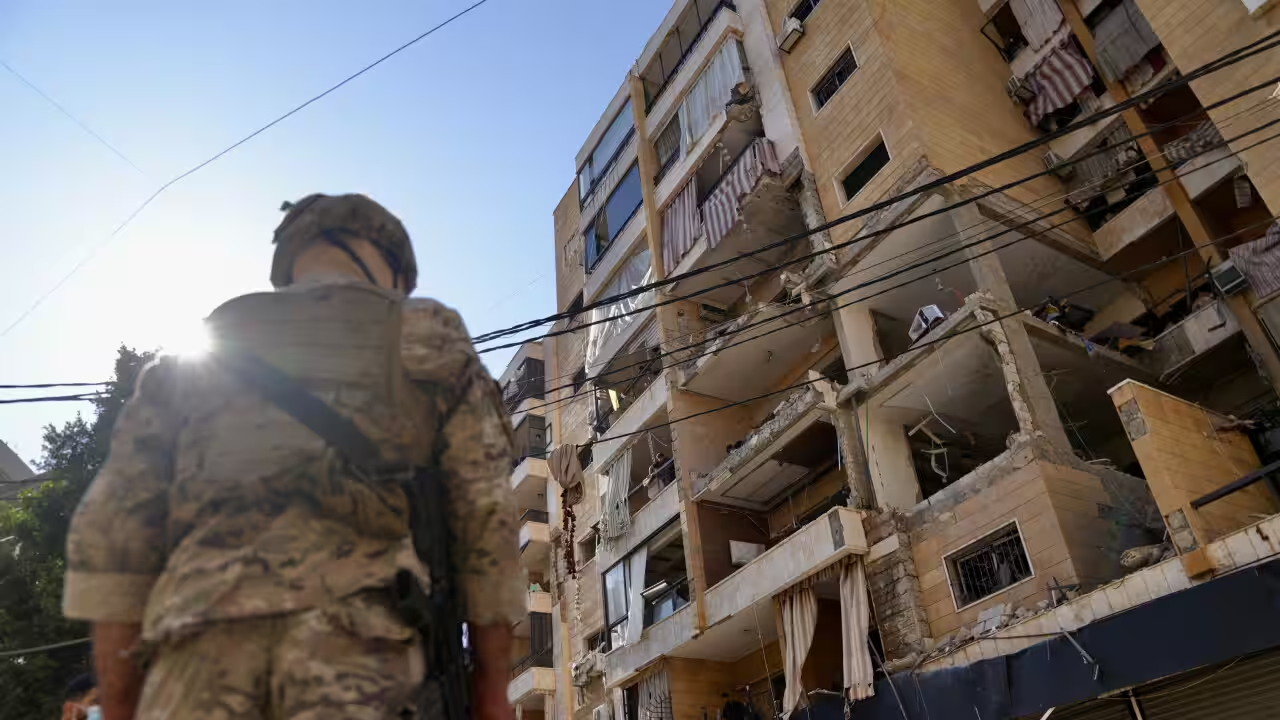
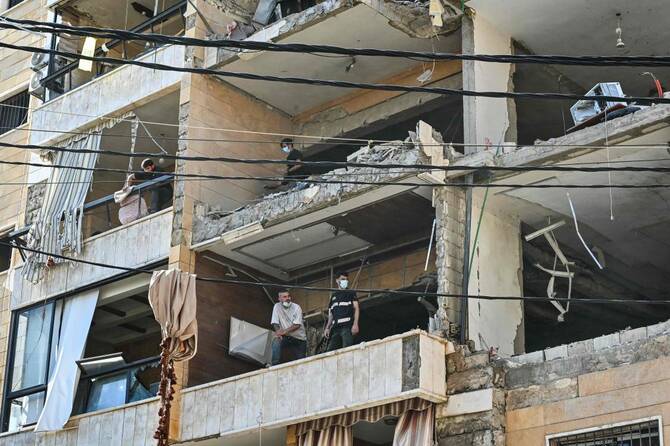
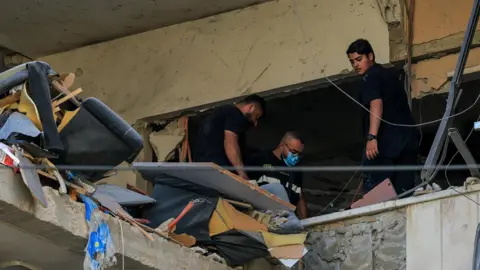
The physical landscape of southern Lebanon has been dramatically altered by the ongoing conflict. Some 60 Lebanese towns and villages have been flattened, their structures reduced to rubble, and their communities scattered. Key infrastructure, vital for daily life and economic activity, has been extensively destroyed, further crippling a nation already facing severe economic challenges. Approximately 1.2 million people have been displaced from their homes, forced to seek refuge in safer areas, often with limited resources and uncertain futures. This massive displacement has placed immense strain on Lebanon's social services and humanitarian aid organizations.
Israel’s military is advancing north of the Litani River, which serves as a dividing line in U.N. Efforts to maintain peace and security in the region. This advance represents a significant territorial shift and a departure from previous engagement patterns. Israel has established a “security zone” south of the Litani, controlling access to an area stretching 120 kilometers along the border and extending 10 kilometers into Lebanon. This represents the deepest Israeli push into Lebanon in a quarter century, a move that has raised serious concerns about sovereignty and future stability. The establishment of this zone fundamentally alters the geopolitical landscape of southern Lebanon, creating a de facto buffer under Israeli control.
More than 20 Israeli soldiers and four civilians have been killed since March, reflecting the dangers faced by those on the Israeli side of the border. In a strategic move to avoid direct confrontation with the advancing Israeli forces, Lebanese soldiers left their southern outposts. This decision shows the Lebanese military's cautious approach, aiming to prevent a wider, more direct conflict with the formidable Israeli military, while also noting the practical limitations of the Lebanese state's presence in its own southern territories.
Lives Interrupted and Fears
The human cost of this conflict is perhaps best illustrated through individual stories of resilience and hardship. Rita Elias, a 36-year-old mother of two, remained in Rmeish to safeguard her property, her husband’s trucking business, and their tobacco farm. Her decision to stay was driven by a deep-seated fear of losing everything they had built. Elias stated, "We didn’t want to leave and come back to nothing. We don’t want to lose our livelihood." This sentiment is shared by many who have chosen to endure the dangers rather than abandon their homes and economic foundations. Her family owns 45 dunum (11 acres) of tobacco fields, a significant asset and source of income. However, the widespread instability forced them to plant only around 22% of their tobacco fields this year, a drastic reduction that will have severe financial implications. The family's trucking business, which previously transported goods between the south and Beirut, has completely ceased operations, further compounding their economic distress. This cessation of business not only impacts their family but also disrupts the broader supply chains that connect the southern region with the capital. Elias described the precarious situation for those who stayed, saying, "Your blood would dry before anyone could reach you to help. We’re suffering from this." Her words paint a vivid picture of isolation and vulnerability, where residents feel cut off from external assistance in times of crisis.
Hezbollah and Israel have engaged in two other major wars, including the 2006 conflict, contributing to a history of instability in the region. This long-standing animosity and repeated cycles of violence have deeply scarred the communities living along the border, fostering a climate of perpetual uncertainty and fear. The current escalation is seen by many as merely the latest chapter in a protracted conflict with no clear end in sight.
Christians are estimated to comprise approximately 28% of Lebanon's population of 6 million, according to the Pew Research Center. This significant minority community, with deep historical roots in the country, finds itself particularly vulnerable in the current conflict. The conflict has directly impacted Christian communities, often caught between the warring factions. In Debel, Israeli soldiers reportedly desecrated a statue of Mary and destroyed a statue of Jesus with a sledgehammer. These acts of vandalism against religious symbols have caused profound distress and anger within the Christian community, perceived as direct attacks on their faith and heritage. Further south, in Al-Qalaya, a parish priest was killed by Israeli artillery fire in March, a tragic incident that showed the indiscriminate nature of the fighting. This loss of a spiritual leader was a severe blow to the local community. Adding to the tragedy, a father and his two children were killed in a separate Israeli strike this week, illustrating the devastating impact on innocent civilians, including the most vulnerable.
The economic consequences of the conflict are also significant, affecting the daily lives of all Lebanese citizens. Vegetable prices have risen by more than 20%, making essential foodstuffs less accessible for many families. Bread prices have increased by around 15%, a particularly harsh blow in a country where bread is a staple of the diet. These price hikes exacerbate an already dire economic situation, pushing more families into poverty and food insecurity. During the Israeli occupation that ended in 2000, residents in south Lebanon experienced a different economic reality. At that time, they traded Israeli goods, and Israel provided essential services like electricity, creating a complex and often intertwined relationship between the communities across the border. This historical context notes the dramatic shift in economic and social dynamics since the end of the occupation.
In Rmeish, Father Najib holds mass daily in the 18th-century church, maintaining a sense of normalcy for the community amidst the surrounding chaos. This routine offers spiritual comfort and a focal point for communal resilience, a testament to the enduring faith and spirit of the town's residents. The town's population grew as Christians relocated from neighboring villages during Ottoman rule in the 1840s and again between 1969 and 1982, seeking refuge from various conflicts and political changes. This history of migration and sanctuary shows Rmeish's role as a haven for Christians seeking safety and stability in a turbulent region. The town’s enduring presence, despite centuries of conflict, speaks to the deep roots of its community.
Seeking Protection and Aid
In an effort to de-escalate the conflict and restore some semblance of order, under the latest ceasefire agreement, Lebanese armed forces will begin a gradual deployment into specified “pilot zones” following Israel's withdrawal from those areas. This phased approach aims to create a transition of authority and security, potentially reducing the likelihood of direct clashes. The Lebanese government has also stepped in to provide key financial support to approximately 50,000 vulnerable families in the southern region, recognizing the severe economic hardship caused by the conflict. Individual payments, ranging from $20 to $150, offer a lifeline to those struggling to meet basic needs, though the amounts are modest given the scale of the crisis.
Prime Minister Nawaf Salam announced a $360 million aid package intended for local communities, secured from international lenders. This substantial financial injection is critical for reconstruction efforts, humanitarian assistance, and supporting displaced populations. The international community's involvement shows the recognition of the severe humanitarian crisis unfolding in southern Lebanon. In mid-May, around 25 aid trucks delivered supplies to Rmeish and several neighboring towns, bringing much-needed food, medicine, and other essentials to communities that have been isolated and underserved. Sarit Zehavi, president of the Alma Research and Education Center, stated on May 31 that residents of Rmeish, Ain Ebel, and Debel require both protection and assistance amid the ongoing conflict. Her statement notes the dual needs of security and humanitarian support, emphasizing that aid alone cannot address the fundamental dangers faced by these communities. The call for protection reflects the urgent need for a stable and secure environment where residents can live without the constant threat of violence.
A Fragile Future
The government in Beirut has stated it faces a second occupation following another war it did not want. This sentiment reflects a deep-seated frustration with the cycle of conflict and external interference that has plagued Lebanon for decades. The perception of being unwillingly drawn into regional power struggles contributes to a sense of national helplessness and vulnerability. Hezbollah emerged from the chaos of the previous decade, growing by filling the void left by the state. This historical context is key to understanding the current dynamics, as Hezbollah's rise as a powerful non-state actor is directly linked to the Lebanese state's inability to fully assert its authority and provide full services across the country. The group's extensive social and military infrastructure has allowed it to gain significant influence, particularly in southern Lebanon, where state presence has often been weak or absent.
The future for the Christians of southern Lebanon, like all communities in the region, remains fragile and uncertain. Their ability to maintain their presence, preserve their heritage, and rebuild their lives hinges on a lasting cessation of hostilities and a stable political resolution. The current conflict not only threatens their physical safety but also poses a profound challenge to their cultural and economic survival, forcing them to navigate a landscape shaped by war and displacement. The international community's continued engagement and the Lebanese government's efforts to provide aid and security are key, but ultimately, the fate of these communities rests on the elusive promise of peace in a region long accustomed to conflict.