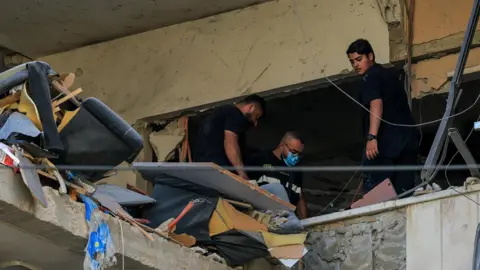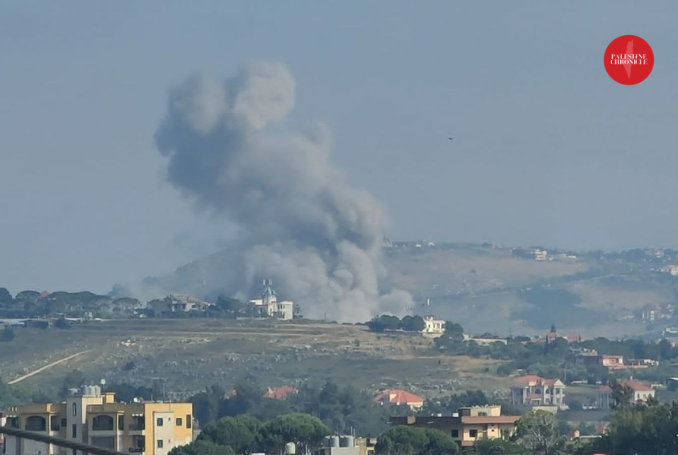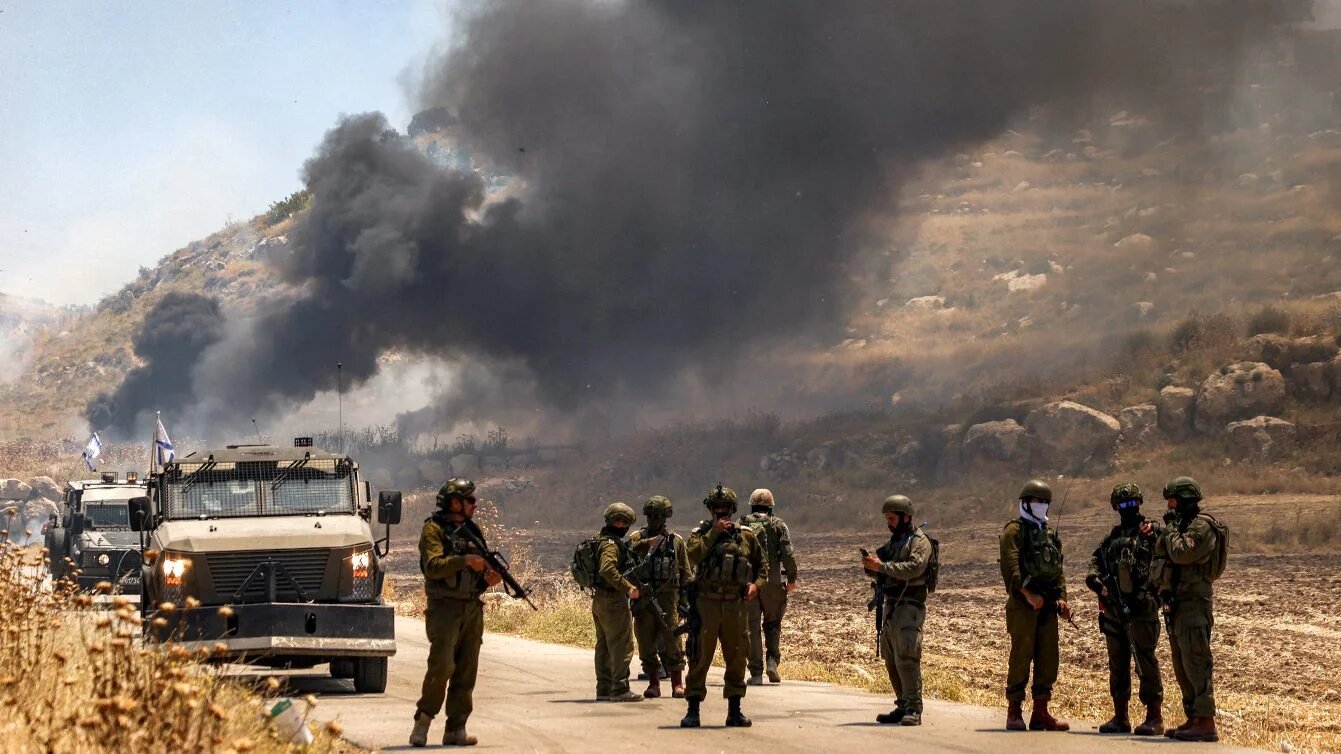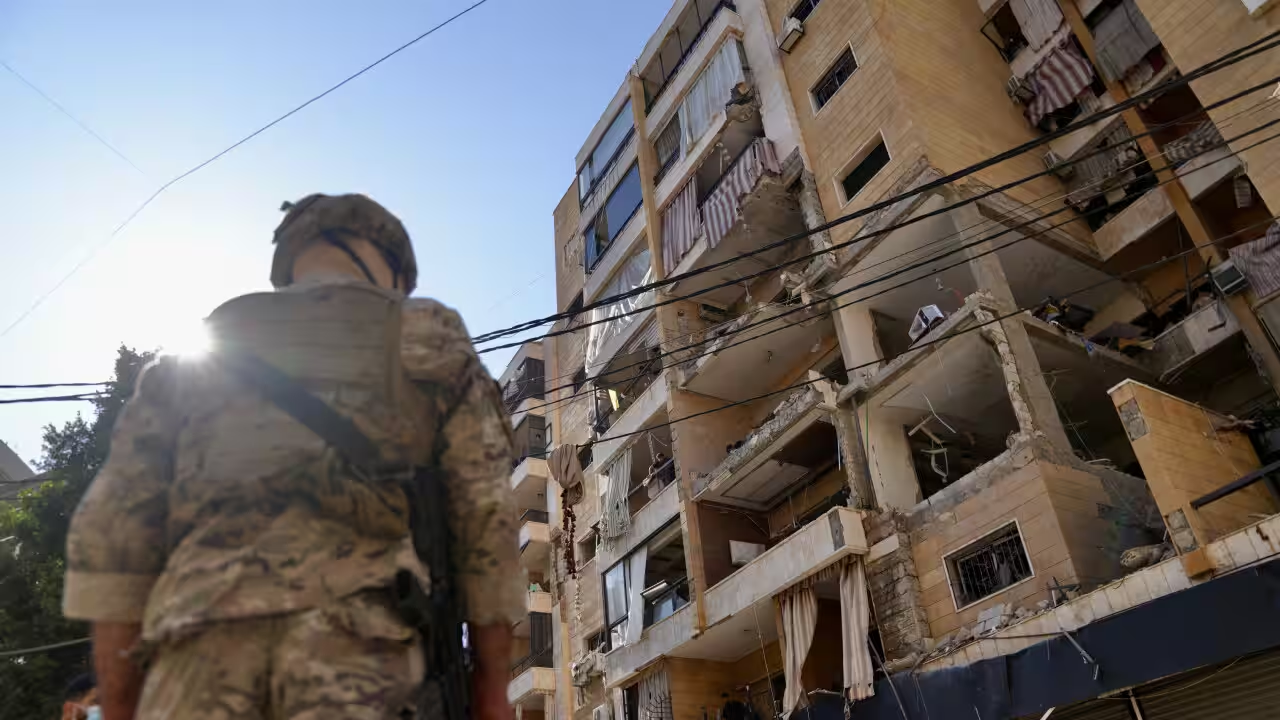
Israeli airstrikes on Beirut killed two people and wounded 20 on Monday, escalating tensions in the Middle East as air raid sirens also sounded in Israel. The Israeli military stated it intercepted incoming Iranian missiles on the same day. These launches occurred as the war in the Middle East reached its 100th day, marking a significant increase in regional hostilities. The current wave of violence follows a period of relative calm, which was established by an 8 April ceasefire. That agreement had aimed to halt major hostilities between Iran and its adversaries, Israel and the United States, providing a brief respite in the volatile region. However, the recent events indicate a substantial departure from the conditions set by that ceasefire, signaling a renewed and dangerous phase of conflict.
Escalation and Interception
In response to the Israeli strikes on Beirut, Iran launched a barrage of missiles at Israel. The Israeli military reported that it intercepted 11 Iranian missiles, with no casualties resulting from the attack. This interception took place amid heightened regional tensions, showing the sophisticated defense capabilities employed by Israel in the face of incoming threats. The successful interception of all 11 missiles without any reported injuries or fatalities on the Israeli side was a key detail in the immediate aftermath of the attacks.
Iran's powerful Revolutionary Guards described their attack as a "warning." This statement came as the broader conflict in the Middle East entered its 100th day, noting the prolonged nature of the regional instability. The missile launches followed earlier reports of Israeli airstrikes in Beirut's Dahiyeh district and Israeli military interceptions of incoming Iranian missiles. The Revolutionary Guards' characterization of their actions showed the nature of the engagement, implying a deliberate message being sent through their military actions. The absence of casualties on the Israeli side was noted by their military, a fact that could influence future escalations. The exchange of fire between the two nations marks a significant development in the ongoing regional instability, demonstrating a direct military confrontation that has become increasingly frequent. Air raid sirens sounded across various parts of Israel on Monday, prompting residents to seek shelter as the Iranian missiles approached. The Israeli military's swift response in intercepting the incoming projectiles prevented potential devastation and casualties. This defensive action was critical in managing the immediate threat posed by the Iranian launch.
Trump's Plea for De-escalation
Netanyahu's office announced that the Israeli army had "struck a militant command centre in Beirut's Dahiyeh district, in response to Hezbollah's fire towards Israeli territory." The statement from the Israeli prime minister's office clarified the operational focus of the recent military action, specifying the target and the justification for the strike. This strike followed earlier reports of Israeli airstrikes in the area, indicating a sustained campaign against militant infrastructure. The Dahiyeh district, a known stronghold, was specifically targeted, suggesting a precise and intelligence-driven operation. The declaration from Netanyahu's office was aimed at providing context to the international community regarding Israel's military activities in Lebanon.
Hezbollah confirmed having launched missiles and drones at a pair of Israeli army barracks early on Monday. The group's acknowledgment detailed their operational response to the ongoing situation, providing their perspective on the exchange of fire. This confirmation from Hezbollah showed their active participation in the escalating conflict and their capability to target Israeli military installations. The exchange of fire contributed to the heightened regional tensions observed, creating a dangerous cycle of retaliation and counter-retaliation. The specific targeting of Israeli army barracks by Hezbollah demonstrated their strategic intent to inflict damage on military assets. These actions by Hezbollah were a direct response to the earlier Israeli airstrikes in Beirut, further cementing the tit-for-tat nature of the conflict.
The 8 April ceasefire had previously halted major hostilities between Iran and its adversaries, Israel and the United States. The agreement had provided a period of reduced conflict in the region, offering a glimmer of hope for stability. However, the recent events mark a significant departure from the conditions established by that ceasefire earlier in the year, indicating a breakdown of the previous diplomatic efforts. The resumption of direct military engagements between these parties signals a severe setback for regional peace and security. The previous ceasefire had been a key mechanism for de-escalation, and its apparent collapse raises concerns about the potential for further widespread conflict.
Regional Context and Reactions
A previous drone interception and strikes on Iranian radar sites led Iran to fire a salvo of missiles on Sunday targeting US allies Bahrain and Kuwait. This broader pattern of Iranian military action against regional adversaries and their allies notes the extensive reach of the current conflict. The recent escalation in Beirut resulted in two fatalities and 20 injuries, according to Lebanon's health ministry. The raid occurred as tensions continued to mount across the region, with civilian casualties adding a tragic dimension to the conflict. US Central Command (Centcom) reported overnight that it had destroyed two Iranian drones. Centcom stated these drones "threatened international maritime traffic in the Strait of Hormuz," a vital global shipping lane. This action by Centcom came amidst a broader pattern of heightened military activity, indicating a proactive stance by US forces in safeguarding international interests. The targeting of US allies and international shipping lanes shows the widespread nature of the current volatility, demonstrating that the conflict is not confined to specific borders but has broader implications for regional and global security. The destruction of Iranian drones by Centcom notes the direct involvement of international forces in managing the security challenges posed by the escalating tensions. The Strait of Hormuz, being a critical choke point for oil shipments, makes any threat to its maritime traffic a matter of international concern. The Lebanese health ministry's report on the casualties in Beirut provided a grim account of the human cost of the Israeli airstrikes. The two people killed and 20 wounded were a direct consequence of the military action in the Dahiyeh district. These civilian casualties further fuel the cycle of anger and retaliation in the region.