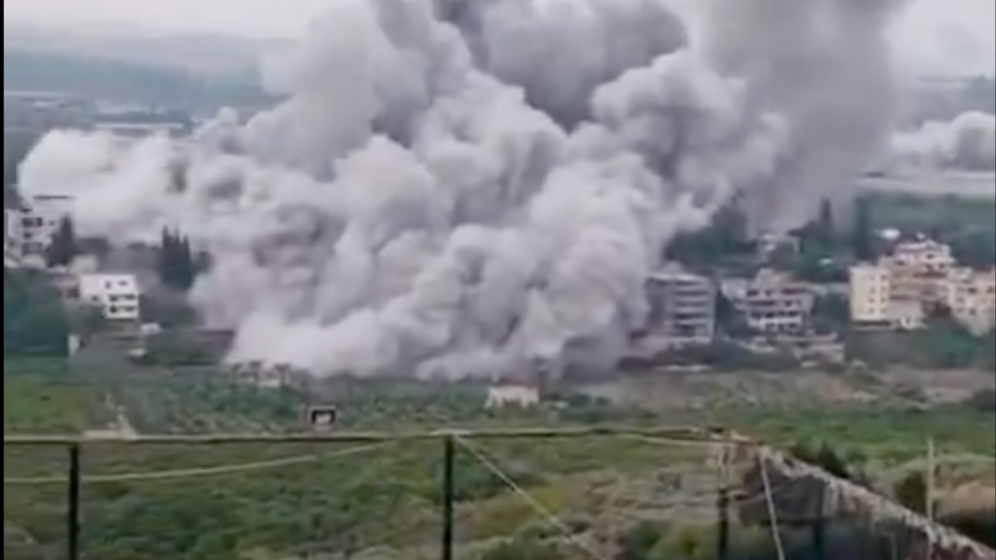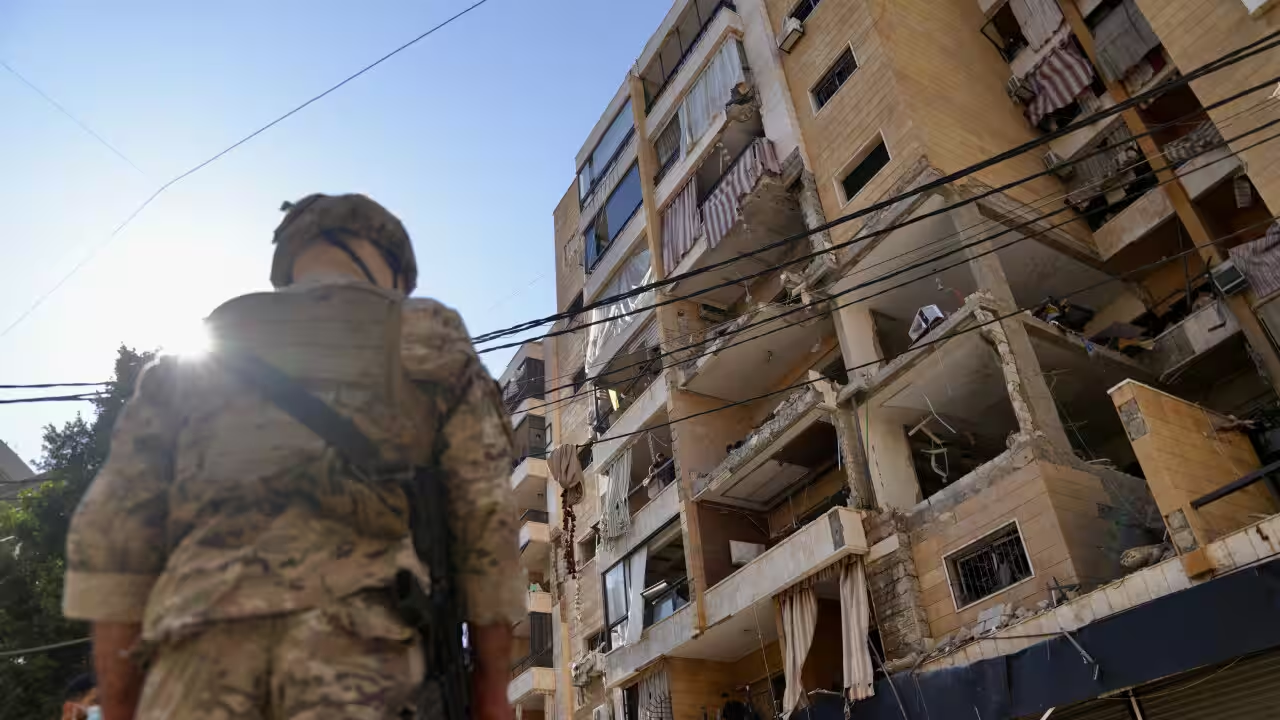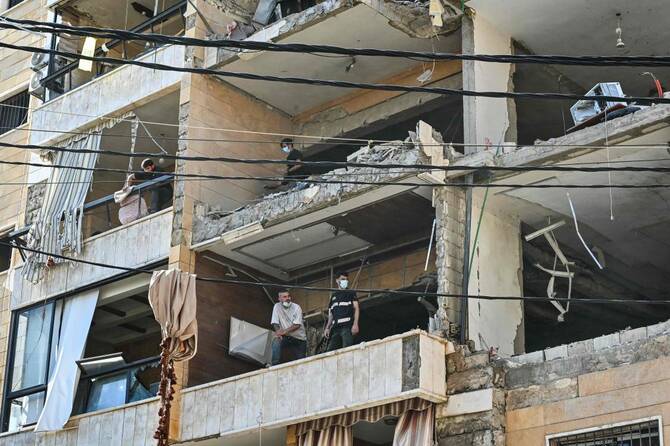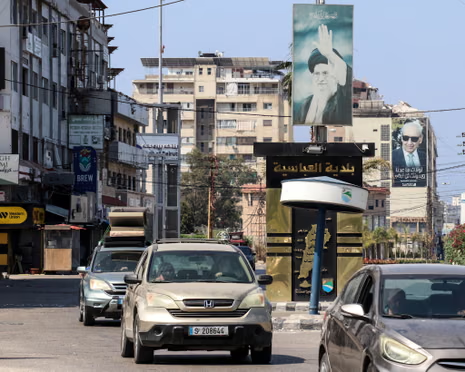
Israel ordered a forced evacuation of residents from the Lebanese city of Tyre following an airstrike that killed at least eight people and wounded 32 others on Tuesday, according to Lebanon’s health ministry. The directive, issued by the Israeli army’s Arabic-language spokesperson, Avichay Adraee, marks a significant escalation in the ongoing hostilities between Israel and Lebanon. Adraee specifically urged residents to "evacuate immediately" and "move north beyond the Zahrani river," indicating a clear zone of anticipated conflict and a broad area for residents to avoid. This evacuation order, which impacts a major city in southern Lebanon, shows the rapidly deteriorating security situation and the increasing scope of military operations in the region.
The Israeli military’s call for a mass evacuation of Tyre’s population signals a potential expansion of its ground or air operations into densely populated areas, raising concerns about civilian safety and humanitarian consequences. The city of Tyre, a historic coastal hub, lies in a strategically significant area of southern Lebanon, making any military action there particularly impactful. The explicit instruction to move north beyond the Zahrani river defines a substantial corridor that the Israeli military is advising civilians to clear, suggesting that the area south of this river could become a primary theater of conflict. This development comes as the conflict between Israel and Lebanon intensifies, drawing more civilian populations into harm's way and exacerbating the humanitarian crisis.
Escalating Strikes and Displacement
The Israeli military announced renewed strikes would be conducted due to Hezbollah's violation of the ceasefire agreement, stating the group was targeting "Israel's home front." This accusation from the Israeli military provides the justification for their continued and expanding military actions. The military’s statement emphasized that these operations are a direct response to what it perceives as aggressive actions initiated by Hezbollah. This framing of the conflict notes the tit-for-tat nature of the engagements, where each side claims to be responding to provocations from the other. The ongoing military actions reflect a severe escalation of hostilities in the region, with both sides demonstrating a willingness to employ significant force.
The conflict has led to significant displacement within Lebanon, with more than a million people now displaced from their homes. This staggering number shows the profound humanitarian impact of the renewed war on Lebanon, forcing massive internal migration as families seek safety from the intensifying violence. The displacement crisis places immense strain on Lebanon's already fragile infrastructure and humanitarian aid organizations. Israeli troops have also expanded their presence, taking control of approximately a fifth of Lebanese territory since Hezbollah initiated attacks on northern Israel. These attacks began in solidarity with Iran, days after the US and Israel killed the former Iranian supreme leader in Tehran in February. The territorial gains by Israeli forces further complicate any potential de-escalation, as their presence on Lebanese soil represents a significant military occupation. The continuous expansion of Israeli military control over Lebanese territory signifies a deepening of the conflict beyond mere border skirmishes, transforming it into a more extensive military confrontation.
Regional Crisis Deepens
Iran, which has backed and funded Hezbollah, stated that no peace deal with the United States could be signed until Israel ceases its attacks in Lebanon. This declaration from Tehran firmly links the regional conflict to broader diplomatic efforts, particularly those concerning Iran's nuclear program and its relations with Western powers. The demand from Iran indicates that the ongoing hostilities in Lebanon are not isolated but are deeply intertwined with Iran's strategic interests and its leverage in international negotiations. Lebanon was drawn into the conflict when Hezbollah fired rockets at Israel on March 2, avenging the US-Israeli killing of Iran’s former supreme leader. This retaliatory action by Hezbollah explicitly tied the Lebanese front to the broader regional power struggles involving Iran and its proxies. These retaliatory actions have since intensified regional hostilities, creating a dangerous cycle of violence and counter-violence that threatens to engulf the entire Middle East.
The regional tensions were further inflamed when at least two Iranian military members were killed in Israeli attacks on Monday, directly escalating tensions between the two nations. This direct targeting of Iranian personnel by Israeli forces marks a significant and dangerous development, moving beyond proxy conflicts to direct casualties for Iran. Following these events, Hezbollah publicly thanked Iran for attacking Israel "in defence" of the Lebanese people and urged Lebanese authorities to build closer ties to Tehran. This statement from Hezbollah reinforces the deep alliance between the two entities and signals a desire for even greater integration of Lebanese policy with Iranian strategic objectives. Amid the deepening crisis, former U.S. President Donald Trump declared that negotiations towards an Iran peace deal are in their "final throes." This statement suggests a critical phase in diplomatic efforts concerning Iran's nuclear program and regional influence, indicating that the current regional instability could either derail or accelerate these high-stakes negotiations. The financial markets reacted to the regional instability, with Brent crude dropping by 1% to $93 a barrel, reflecting concerns among investors about the potential for wider conflict to disrupt global energy supplies. The volatility in oil prices shows the economic ramifications of the escalating geopolitical tensions.
Geopolitical Maneuvers and Pressure
The state-run National News Agency (NNA) reported the strike on Tyre not long before the Israeli military issued its evacuation warning for the city. The NNA’s swift reporting notes the immediate impact and local awareness of the Israeli military actions, providing real-time information to the Lebanese public. This sequence of events—a strike followed closely by an evacuation order—suggests a coordinated military strategy by Israel to clear an area after an initial engagement, possibly in preparation for further operations. The close timing between the NNA report and the Israeli military's warning indicates a rapid progression of events on the ground, leaving little time for residents to prepare.
Meanwhile, broader regional military activities were also observed, indicating the widespread nature of the current instability. A US navy surface drone rescued two crew members from a US Apache attack helicopter from the waters of the Strait of Hormuz. This incident, occurring in a critical shipping lane and a flashpoint for regional tensions, demonstrates the active presence of international military forces in the area and the potential for incidents involving various actors. The rescue operation in the Strait of Hormuz, a vital chokepoint for global oil supplies, shows the broader geopolitical implications of the escalating conflict, extending beyond the immediate Israeli-Lebanese border. It also serves as a reminder of the complex and multi-faceted military landscape in the Middle East, where numerous international players maintain a significant presence. The involvement of US military assets in such an incident further notes the potential for the conflict to draw in other global powers, increasing the stakes for regional stability.