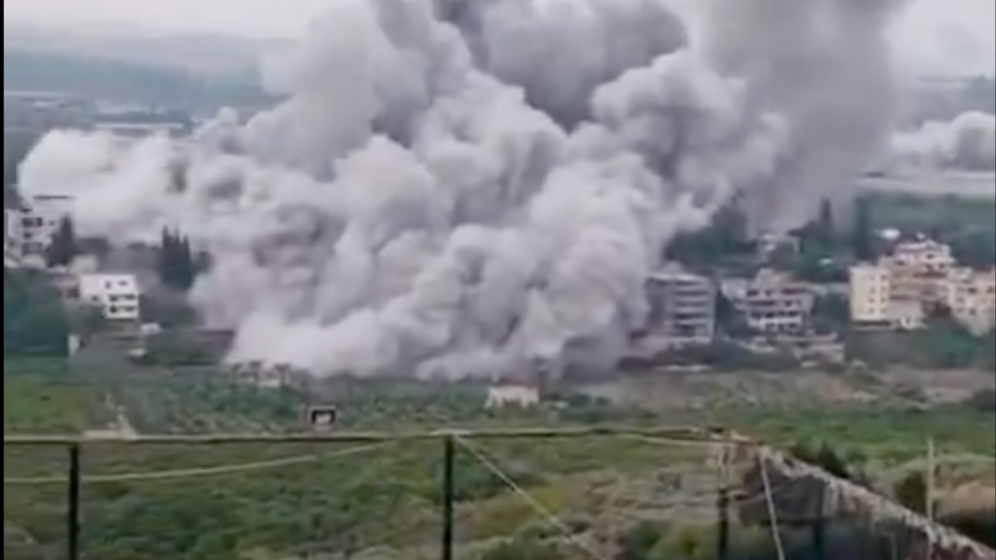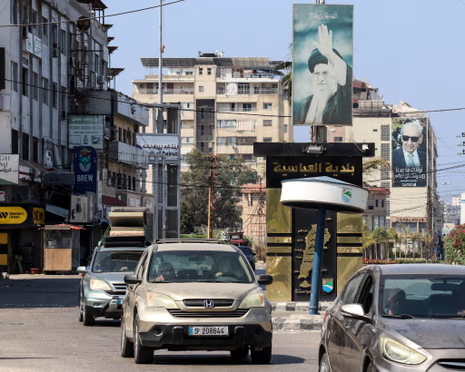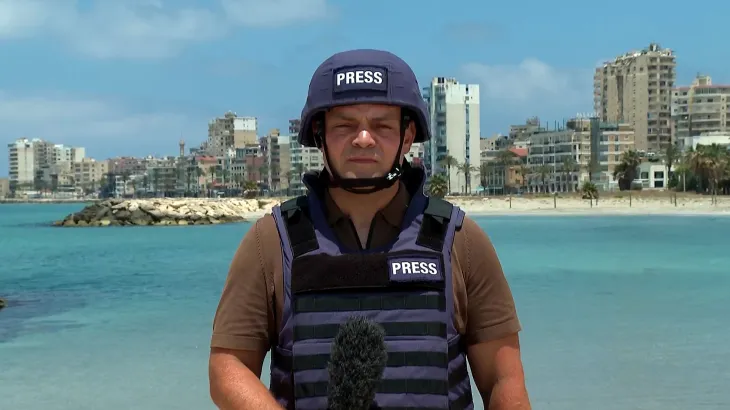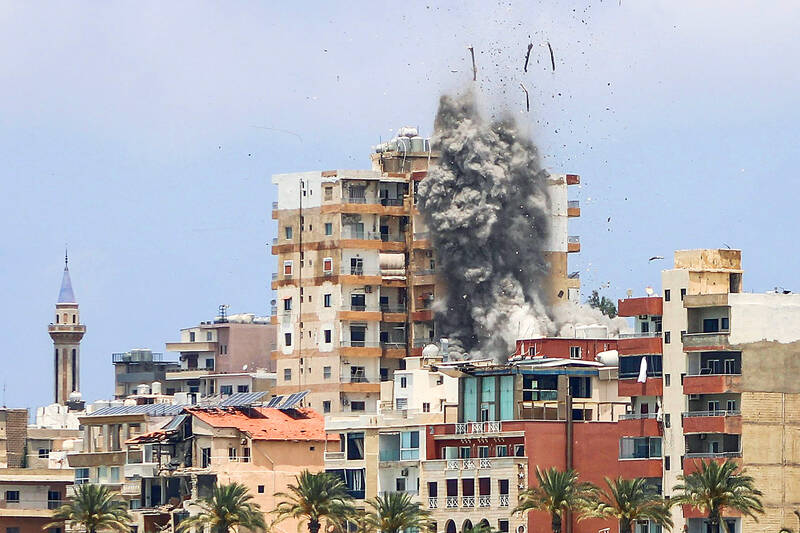
An Israeli airstrike in Tyre, Lebanon, killed at least eight people yesterday, according to the Lebanese Ministry of Public Health. The ministry further stated that the prewarning strike wounded 32 others. The Lebanese Ministry of Public Health confirmed these casualties, detailing the immediate impact of the strike on the southern Lebanese city. Lebanon's National News Agency (NNA) reported an initial Israeli strike on Tyre’s outskirts before an evacuation notice was issued, followed by additional strikes on the city later in the day. These multiple engagements show the escalating nature of the conflict in the region.
Residents Flee Under Evacuation Order
The Israeli military warned the entire city of Tyre to evacuate shortly after the strike. This directive prompted a swift and widespread response from the local population. Residents of Tyre, including those from the Christian quarter, were seen fleeing following the Israeli warning. The urgency of the situation forced many to leave their homes with little notice, seeking safety away from the targeted areas. Displaced people from Tyre subsequently arrived in Sidon, located further north, creating a new wave of internally displaced persons within Lebanon. The movement of residents from Tyre to Sidon notes the immediate humanitarian consequences of the ongoing military actions.
Last week, Israel’s military had stated that Hezbollah members were operating in Tyre’s Christian quarter and indicated it would warn people to leave if the group remained active there. This prior warning from the Israeli military foreshadowed the recent evacuation order, suggesting a deliberate strategy to target areas where Hezbollah is believed to be present. The presence of Hezbollah in civilian areas complicates military operations and puts residents at heightened risk. The explicit warning from Israel shows its intention to conduct operations in these areas, even if it means displacing civilian populations. The military’s declaration was a clear signal of potential future actions, which have now materialized in the form of evacuation orders and strikes.
The Israeli army last month declared all areas south of the Zahrani River as “combat zones.” This designation effectively broadens the scope of potential military operations and signals an intensification of the conflict in southern Lebanon. The Zahrani river is situated approximately 30km north of Tyre, placing Tyre well within this declared combat zone. This geographical demarcation by the Israeli army indicates a significant expansion of the conflict area, impacting numerous towns and villages in southern Lebanon. The declaration serves as a stark warning to residents and a justification for intensified military activity in the region. Hezbollah remains the only Lebanese group that refused to surrender its arsenal after a civil war concluded in 1990. This historical context is key, as it explains Hezbollah's continued military capacity and its role as a significant non-state actor in Lebanon. On Monday, the Lebanese health ministry reported that Israeli strikes on south Lebanon killed at least 14 people, with five fatalities occurring in a strike near a Red Cross centre in Tyre. This incident on Monday further illustrates the ongoing and deadly nature of the cross-border hostilities, with civilian infrastructure and humanitarian facilities increasingly at risk. The proximity of a strike to a Red Cross centre raises concerns about the protection of non-combatants and humanitarian aid workers in the conflict zone.
Escalating Cross-Border Conflict
Israel has repeatedly struck Tyre since the war erupted with Hezbollah following militants’ rocket fire at Israel on March 2. Hezbollah initiated its involvement in the conflict on March 2 by attacking Israel in support of Iran, marking a significant escalation that drew Lebanon into the wider regional hostilities. This direct engagement by Hezbollah has transformed the conflict into a persistent cross-border confrontation. Lebanon’s state-run National News Agency (NNA) reported raids on more more than a dozen other locations across the country’s south, indicating widespread military activity beyond Tyre. These extensive raids suggest a broad and sustained campaign by Israeli forces across southern Lebanon, targeting various sites believed to be associated with Hezbollah. The NNA’s reporting notes the widespread nature of the conflict, affecting numerous communities and infrastructure across the region.
Lebanese authorities have stated that Israeli attacks since March have resulted in the deaths of more than 3,600 people and displaced over 1 million others within Lebanon. These figures paint a grim picture of the human cost of the conflict, with a significant portion of the population in southern Lebanon forced from their homes. The displacement of over a million people represents a major humanitarian crisis, placing immense strain on resources and aid organizations within the country. On the Israeli side, the conflict has led to the deaths of 29 soldiers and one civilian contractor in Lebanon. These casualties show the reciprocal nature of the violence, with both sides experiencing significant losses. A ceasefire that was first announced in April has not been respected by either side, according to reports. The failure to uphold the ceasefire demonstrates the deep-seated animosity and the difficulty in de-escalating the conflict, despite international efforts. The ongoing exchanges of fire highlight the persistent nature of the cross-border hostilities between Israel and Hezbollah, indicating a prolonged period of instability and violence. The continued violations of the ceasefire agreement have dashed hopes for a quick resolution and have instead deepened the cycle of violence.
Regional Tensions and Wider War
Iran has warned it would resume attacking Israel if the latter continued striking its neighbor, according to claims made by Tehran. This statement from Iran shows the broader regional implications of the ongoing conflict, suggesting that the hostilities between Israel and Lebanon are deeply intertwined with the wider geopolitical dynamics of the Middle East. Tehran's warning introduces an additional layer of complexity, hinting at the potential for a more expansive conflict involving state actors.
Tehran further insists that Lebanon must be part of any deal to end the wider Middle East war. This position suggests a strategic linkage between the various fronts of the conflict, indicating that a resolution in one area may be contingent on developments in others. The insistence on including Lebanon in peace negotiations notes the country's central role in the regional power dynamics and the broader geopolitical landscape. These declarations from Iran reflect its asserted influence over regional militant groups and its strategic interest in the stability and political alignment of its allies in the Middle East. Iran’s stance emphasizes the interconnectedness of regional conflicts, positioning Lebanon not just as a battleground but as a critical component in any full peace framework for the Middle East. This perspective from Tehran indicates that the conflict in southern Lebanon is viewed as part of a larger, interconnected struggle, making a localized resolution difficult without addressing broader regional issues.