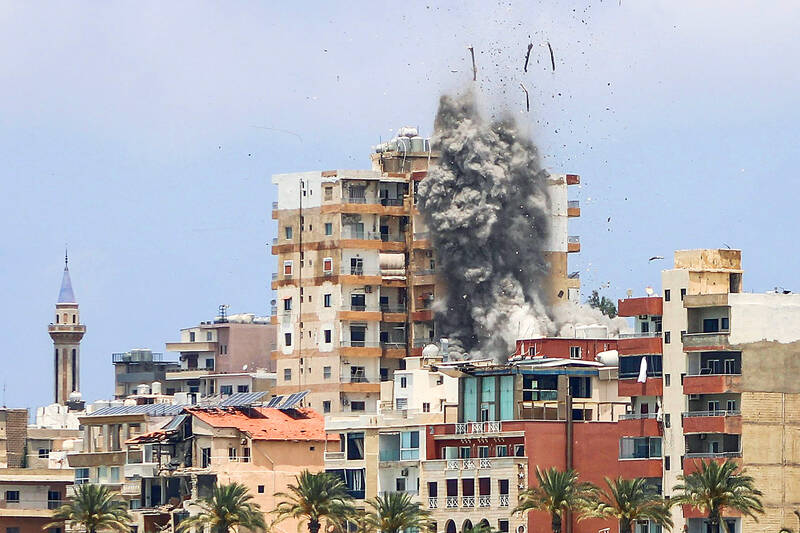
Rockets launched from Lebanon struck near Israeli forces operating in southern Lebanon early Thursday, the Israeli military reported. The Israeli military stated that these rockets, fired from Lebanese territory, landed in close proximity to their personnel. No casualties or damage were immediately reported following these specific strikes, providing initial relief amidst the ongoing tensions. Israel’s Home Front Command confirmed that warning sirens sounded in the Upper Galilee communities of Misgav Am and Metula in northern Israel, prompting residents to seek shelter as a precautionary measure. These alerts signify the immediate threat posed by the cross-border attacks.
Escalation Amid Ceasefire
Israel has maintained an offensive on Lebanon since March 2, the military confirmed, indicating a prolonged period of military engagement. Despite this ongoing activity, a ceasefire agreement formally began on April 17, aiming to de-escalate tensions in the region and bring an end to hostilities. However, the recent rocket attacks from Lebanon and subsequent alerts near Israeli troops indicate that hostilities have persisted, challenging the effectiveness of the agreement. The continued strikes occurred despite the official start of the ceasefire agreement, noting the fragile nature of the current situation and the difficulties in enforcing such accords. The Israeli military's sustained operations in Lebanon since early March precede the formal ceasefire, which was intended to bring a cessation of such actions. The persistence of attacks following the agreement's implementation signals an immediate challenge to its efficacy and raises questions about the commitment of all parties to de-escalation. The attacks have persisted despite the ceasefire agreement, showing the volatile security landscape.
Details of the Attacks
Two projectiles landed close to Israeli troop positions in southern Lebanon, according to military reports. The Israeli military detailed that these impacts occurred near its forces operating within Lebanese territory, specifically targeting areas where ground troops were present. This direct targeting of military personnel marks a significant escalation. The Israeli military said early Thursday that rockets fired from Lebanon struck near its forces operating in southern Lebanon, confirming the origin and target of the initial attack.
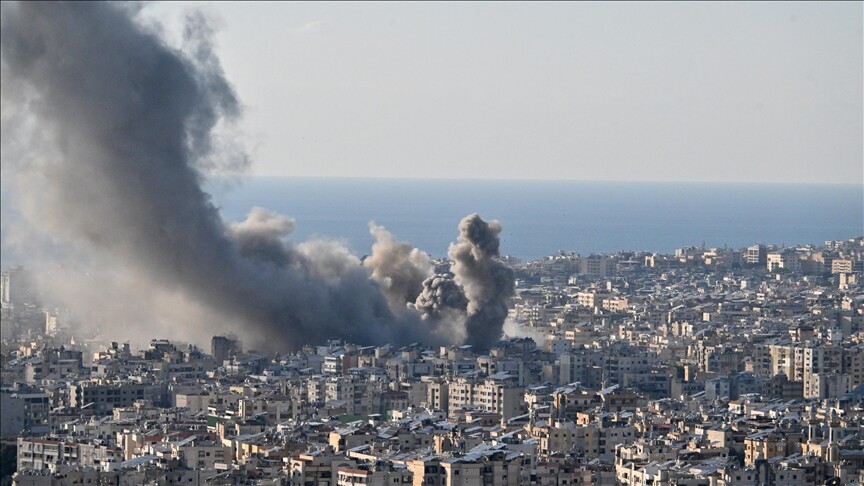
Separately, Israeli defense systems detected additional launches originating from Lebanon. These subsequent launches were aimed toward various residential areas situated in northern Israel, indicating a broader intent to impact civilian populations. These incidents prompted the sounding of warning sirens in communities such as Misgav Am and Metula, located in the Upper Galilee region, forcing residents into shelters. Additional launches were detected toward several residential areas in northern Israel, further demonstrating the widespread nature of the attacks. No casualties or damage were immediately reported from the rocket strikes that impacted near the troops or the subsequent launches towards residential areas, though the potential for harm remains high.
Broader Conflict Context
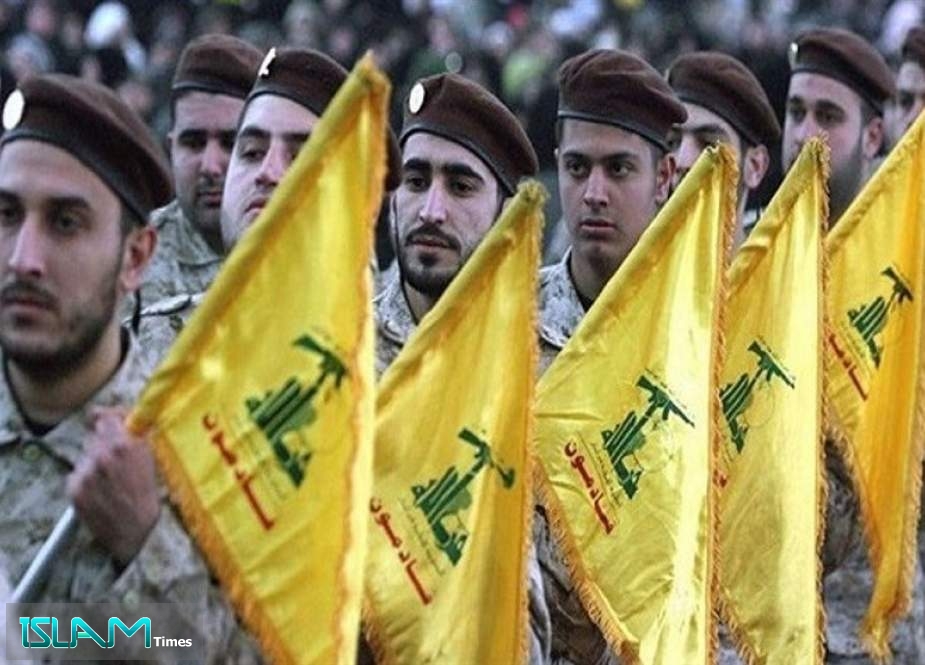
The ongoing military operation between Israel and Lebanon-based militants represents one of the deadliest periods in their prolonged conflict, according to military assessments. This claim notes the severe and unprecedented nature of the current clashes. Official Lebanese figures indicate that nearly 3,700 people have been killed as of Tuesday, illustrating the devastating human cost of the conflict. These figures also report that over 11,400 others have been injured since the offensive began, further emphasizing the widespread suffering and humanitarian impact. The scale of casualties shows the severe impact of the sustained military activities in the region, affecting both combatants and civilians. The significant loss of life and injuries reported by official Lebanese figures paint a stark picture of the ongoing crisis and the urgent need for a lasting resolution.