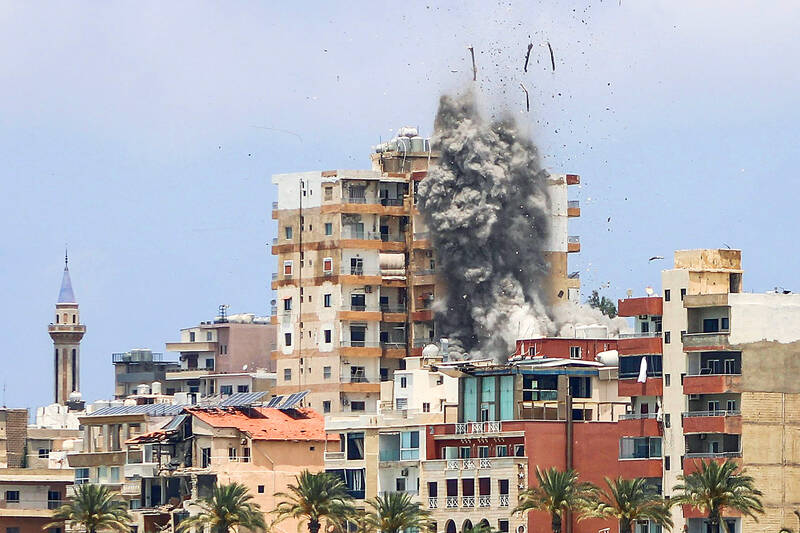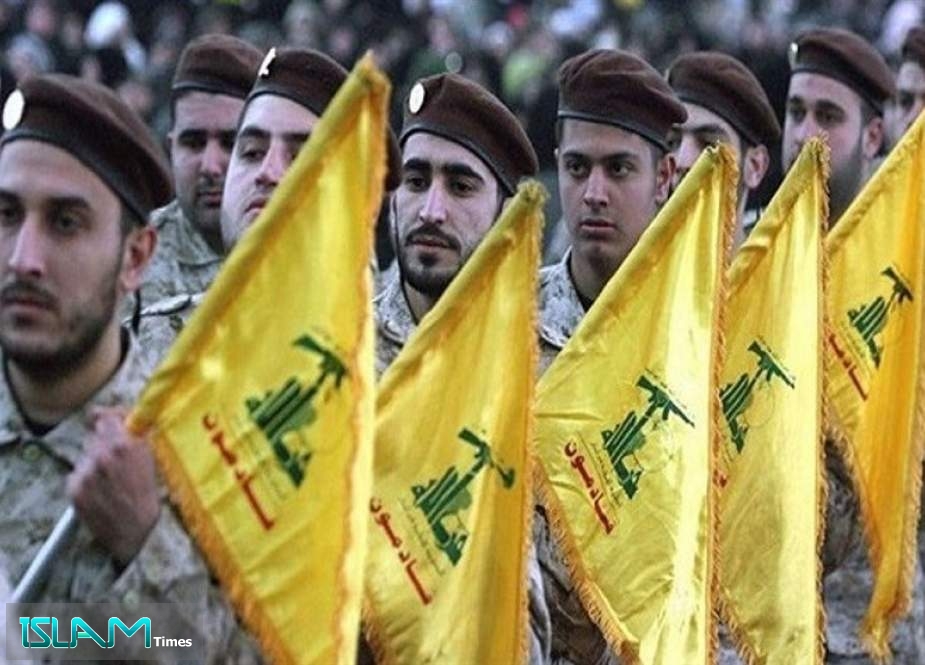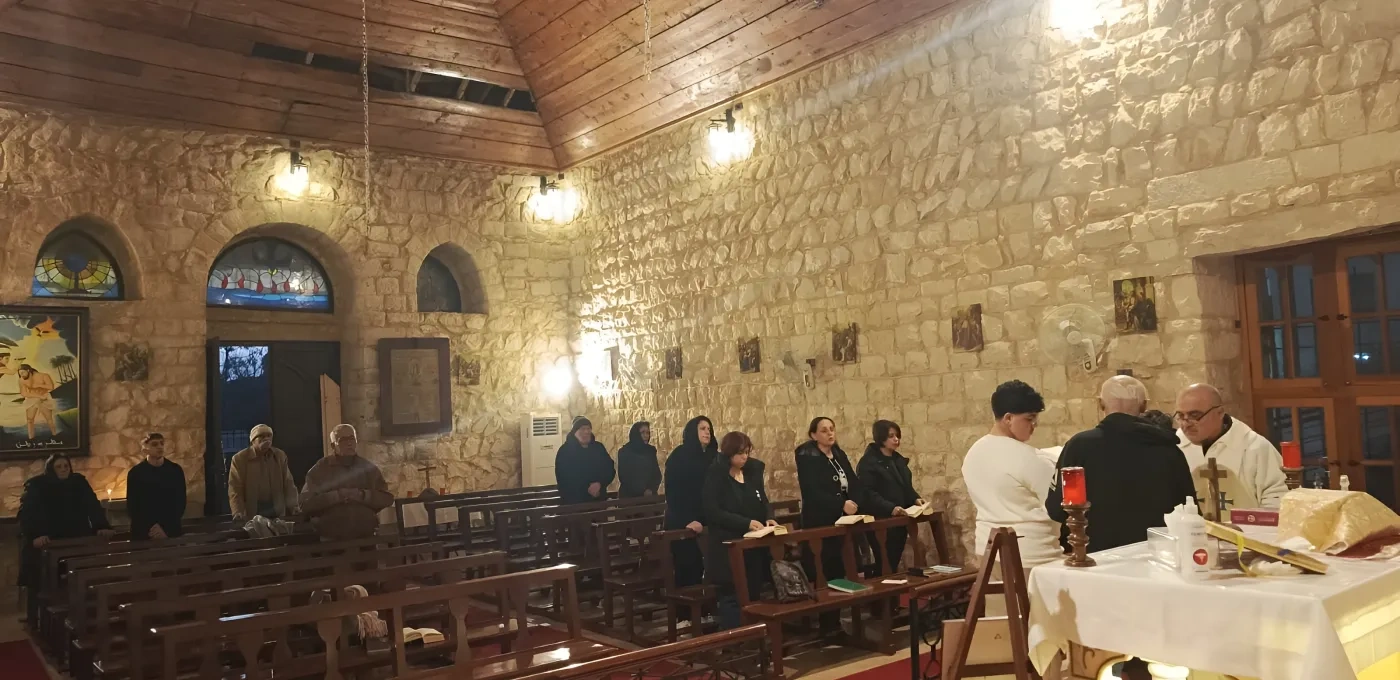
An air raid conducted by the Israel Defence Force on June 3 destroyed three houses belonging to families within a parish in Lebanon. This incident follows a period of heightened conflict that began on March 2, 2026, after the US/Israel invasion of Iran. Since that invasion, Hezbollah has launched rockets from southern Lebanon into northern Israel, which has prompted Israeli retaliation bombings extending into Beirut. The ongoing hostilities have significantly impacted civilian infrastructure and daily life in the region.
Escalating Violence and Displacement
Over the past few weeks, Israeli military operations have intensified within the Governate of Nabatieh. The escalation has impacted communities across the district, including areas near Kfour and Beaufort Castle. These operations are part of a broader increase in hostilities observed across southern Lebanon, leading to a precarious security situation. The ongoing conflict has led to significant displacement, particularly among Christian communities. Many residents have been forced to abandon their homes and livelihoods due to the escalating violence. Aid organizations have noted a rising number of individuals and families seeking refuge from the violence, noting the growing humanitarian crisis. The security situation remains volatile, prompting concerns among residents and international observers regarding humanitarian access and safety for those affected. The heightened intensity of operations in Nabatieh has contributed to a growing sense of instability in the region, exacerbating the challenges faced by local populations.
Plight of Kfour's Christian Community
Those who fled Kfour departed for Beirut and Sidon, leaving behind their homes, land, and farms. This exodus represents a profound loss for the community, as generations of families are uprooted. The Christian community in Kfour has experienced a significant decline, surrounded by a Shi‘a majority. This demographic shift has been accelerated by the recent conflict, putting immense pressure on the remaining Christian residents. The Christian population in the village has plummeted from approximately 120 residents to about a dozen, reflecting the broader impact of escalating conflict on vulnerable communities. The loss of these residents not only diminishes the Christian presence but also affects the social and cultural fabric of the village, which has historically been a place of coexistence.
Voices of Despair and Resilience
Fighting around Beaufort Castle resumed after several days of peace, prompting further displacement and increasing pressure on neighbouring residential areas. The intermittent nature of the conflict means that periods of calm are often short-lived, leading to a constant state of anxiety for residents. Father Youssef Semaan, a Maronite priest, described the current conditions, stating, "Every week is more dangerous than the last. The situation has become unbearable." He noted the difficult choice faced by community members: "Stay and risk their lives or abandon our land without any guarantee that we will ever get our houses or our goods back." This dilemma shows the profound human cost of the ongoing hostilities, forcing families to make impossible decisions about their future.
The renewed conflict echoes personal history for Father Semaan, whose father, Khalil Semaan, a Maronite priest, was kidnapped in Kfour on December 2, 1987, during the Lebanese civil war. His body was returned in 1991, a tragic outcome that deeply impacted Father Semaan and his family. Father Semaan recalled, "The kidnapping occurred when Lebanon was being torn apart by several armed groups operating in the south of the country." He added, "Many years ago, I decided to return to the village [Kfour] to bear witness to the fact that forgiveness is possible. But the war is slowly destroying trust. Coexistence is getting increasingly difficult." Despite the challenges, Father Semaan maintained, "We still have hope. But hope itself is not enough. It has to be based on solid foundations that allow us to rebuild and go on living. We are human after all." His words resonate with the struggle of many who seek to preserve their heritage and community amidst persistent conflict.