Ceasefire negotiations are ongoing, even as Israeli military operations intensify in southern Lebanon, according to reports published on June 11, 2026. The continued discussions aim to de-escalate tensions and bring an end to the hostilities that have plagued the border region, while ground developments point to a significantly worsening situation. Despite sustained diplomatic efforts to achieve a cessation of violence, the conflict on the ground appears to be escalating, creating a complex and volatile environment for both residents and international mediators. The stark contrast between the diplomatic push for peace and the reality of intensified military actions notes the deep challenges in resolving the ongoing crisis.
Escalating Hostilities
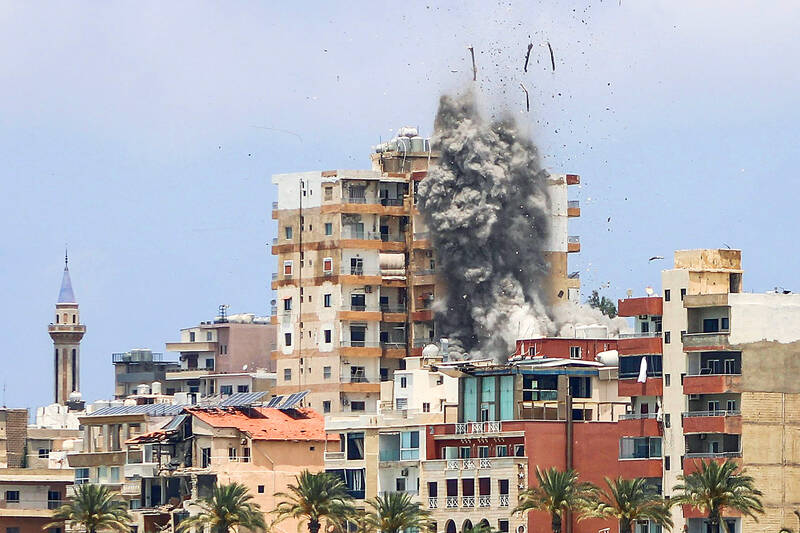
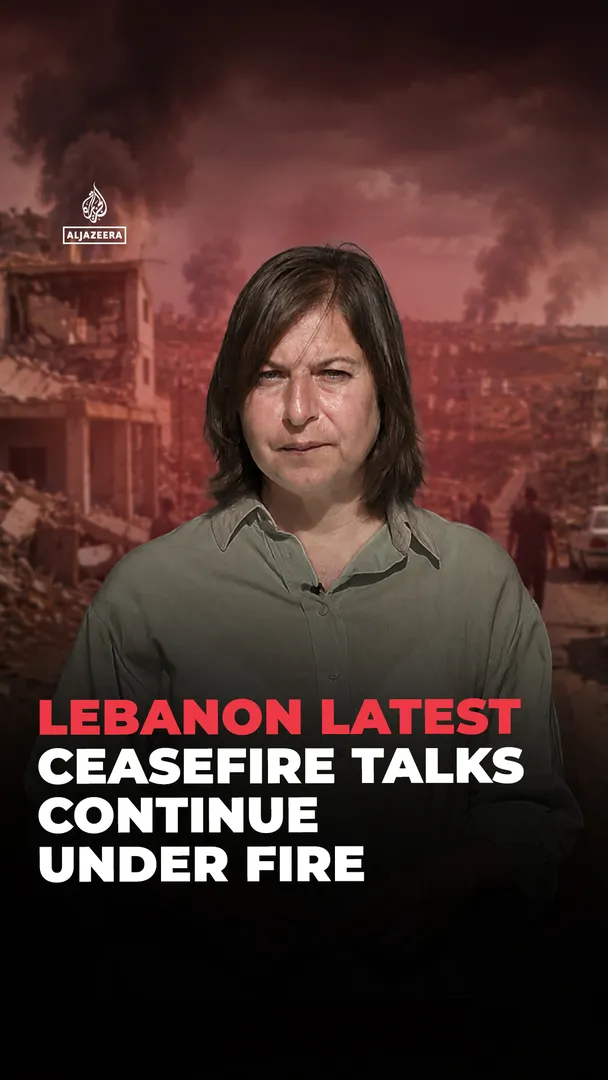
Increasing Israeli attacks have been reported across southern Lebanon, marking a significant escalation in the conflict. Al Jazeera journalist Zeina Khodr, reporting directly from Beirut, has stated that the strikes have intensified considerably, targeting various locations within the region. Khodr described the increased frequency and expanded scope of the Israeli military's operations, noting that impacted areas now extend well beyond the immediate border zone. This expansion of targets suggests a deliberate shift in strategy, moving beyond retaliatory strikes to a broader campaign. The escalation has raised profound concerns among local residents and international observers alike regarding the humanitarian situation, which is deteriorating rapidly. Reports indicate that these recent attacks have led to further displacement of civilians from their homes and communities in towns and villages throughout southern Lebanon, adding to an already significant internal displacement crisis. Khodr emphasized that the nature of the assaults, characterized by their intensity and geographical spread, suggests a broadening of targets and a more aggressive posture. These developments come as diplomatic efforts continue to seek a de-escalation of the broader conflict, creating a tense dichotomy between peace talks and active combat. The relentless pace of the attacks shows the urgency of these diplomatic endeavors.
Reporting from the Frontlines
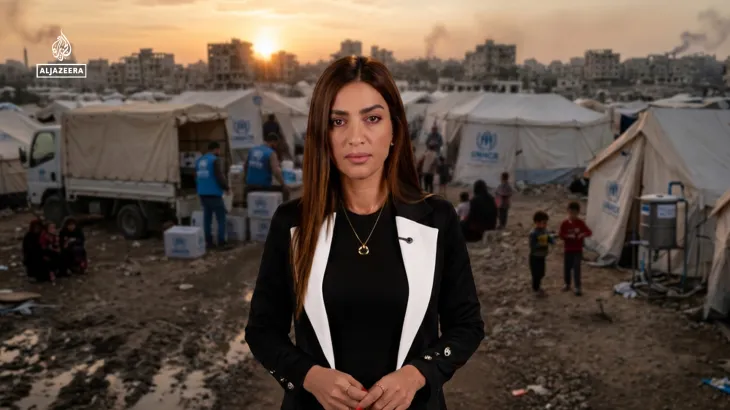
Al Jazeera's Zeina Khodr is currently reporting from southern Lebanon, providing direct and invaluable coverage of the ongoing situation in the region. Her dispatches have meticulously detailed the recent intensification of Israeli military operations, which have reportedly impacted various locations beyond the immediate border, reaching deeper into Lebanese territory. Khodr's on-the-ground reporting has been key in documenting the true scope of the escalation and its devastating effects on local communities. She has noted the increasing frequency of attacks, noting that the nature of the assaults suggests a deliberate broadening of targets, indicating a significant shift in the conflict's dynamics. This direct observation from southern Lebanon offers critical insights into the evolving conflict dynamics as ceasefire talks continue to unfold in parallel. Khodr's reporting shows the immediate and severe impact of these hostilities on the ground, even as diplomatic efforts persist in their quest for a peaceful resolution. Her presence provides a vital link between the realities faced by civilians and the international community's understanding of the conflict.
Broader Context
The ongoing military activities in southern Lebanon, extensively reported by Al Jazeera journalist Zeina Khodr, occur within a broader regional context of significantly heightened tensions. Diplomatic efforts persist in parallel with the escalating hostilities, with international mediators continuing to push for a full ceasefire and a lasting resolution. These discussions aim to de-escalate the conflict and prevent further loss of life, even as the situation on the ground remains volatile and unpredictable. The attacks in southern Lebanon are part of a wider regional conflict that has seen repeated military engagements between various parties, contributing to a cycle of violence. Observers are closely monitoring these developments, noting the potential for further instability and wider regional conflagration if a de-escalation is not achieved through ongoing negotiations. The international community remains deeply concerned about the trajectory of events, recognizing the urgent need for a diplomatic breakthrough to alleviate suffering and restore stability to the volatile border region.