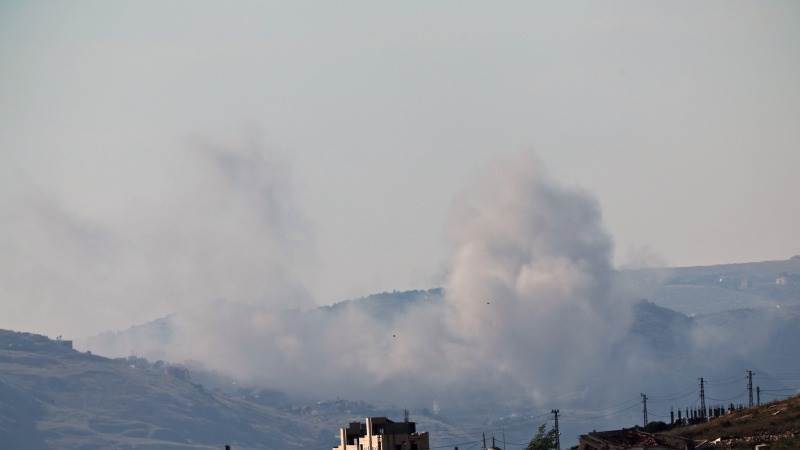
The Lebanese army on Saturday withdrew its troops from a base in Kfar Tebnit, a southern Lebanese village, following an advance by Israeli forces in a nearby area. Israeli troops were reportedly attempting to capture the strategic Ali Taher hill, located on the edge of Kfar Tebnit. This key location offers a commanding view of large sections of Nabatiyeh and several roads connecting the city with surrounding villages, making its control militarily significant. The withdrawal of Lebanese forces shows the intensifying military operations in the region.
Escalating Conflict Near Nabatiyeh
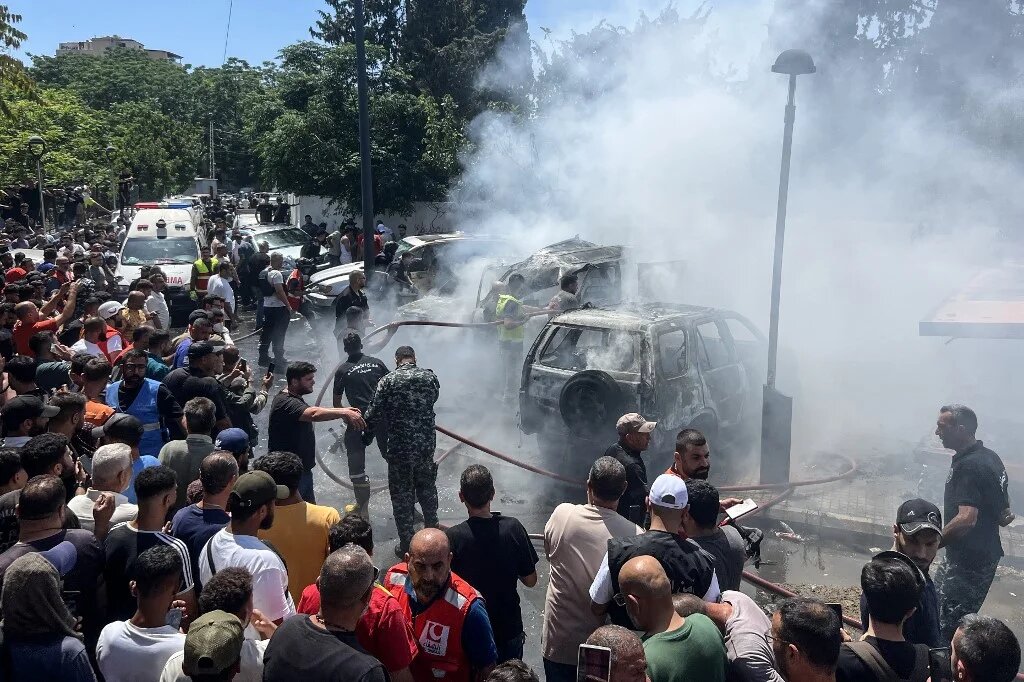
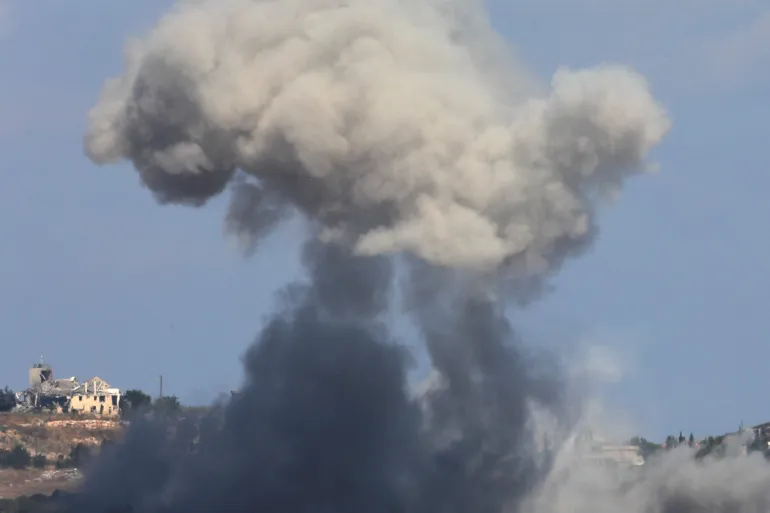
The departure from the army barracks in Kfar Tebnit occurred as the Israeli military issued an evacuation warning for approximately 20 locations, which included the southern city of Nabatiyeh and various nearby villages. These warnings typically precede increased military activity, prompting concerns among residents and authorities. Lebanon’s state-run National News Agency reported airstrikes on Saturday on different villages near Nabatiyeh, with one incident killing two people in Deir al-Zahrani. The airstrikes highlight the direct impact of the conflict on civilian populations and infrastructure in southern Lebanon. Additionally, Nabatiyeh itself was subjected to artillery shelling on Saturday, further indicating a broadening scope of hostilities. The strategic Ali Taher hill, which Israeli forces were reportedly attempting to capture, holds historical significance in the region. Israeli troops previously held the Ali Taher hill for 18 years until their withdrawal from Lebanon in May 2000. This historical context adds another layer to the current maneuvers, suggesting a reassertion of control over previously held strategic points. The current Israeli actions near Kfar Tebnit and the surrounding areas mark a significant escalation in military activity in southern Lebanon, bringing the conflict closer to major population centers. The strategic importance of the Ali Taher hill, with its commanding views over Nabatiyeh and key transportation routes, makes it a critical objective for military control in the area.
Broader Regional Tensions
Israeli troops captured a strategic mountain in late May, topped with the Crusader-built Beaufort Castle, representing the deepest incursion into Lebanon since 2000. This earlier incursion set a precedent for the current level of military engagement. The broader Israel-Hezbollah conflict began on March 2, when Hezbollah launched rockets into northern Israel. This action by Hezbollah occurred two days after the United States and Israel initiated their attacks on Iran, indicating a complex web of interconnected regional conflicts. Despite a ceasefire agreement that took effect on April 17, attacks by both Israel and Hezbollah have persisted, demonstrating the fragility of the truce and the entrenched nature of the hostilities. The ongoing violations of the ceasefire show the challenges in de-escalating tensions in a region marked by deep-seated rivalries and proxy conflicts.
Human Cost of Fighting
More than 3,700 people have been killed in Lebanon during the latest fighting, according to figures released by the Lebanese Health Ministry. These figures paint a grim picture of the human toll, noting the devastating impact on the civilian population. On the Israeli side, 30 soldiers and one defense contractor have been killed in or near southern Lebanon, while two civilians have died in northern Israel, as reported by Israeli Prime Minister Benjamin Netanyahu’s office. These casualties on both sides show the severe consequences of the ongoing military exchanges. The conflict involves Hezbollah, which receives significant support from Iran. Iran is Hezbollah’s main backer, supplying the group with various types of weapons over the past four decades, in addition to billions of dollars in funding. This substantial backing shows the regional dimensions of the ongoing clashes, transforming what might appear as a localized conflict into a broader proxy confrontation with international implications. The continuous flow of support from Iran enables Hezbollah to maintain its operational capabilities and continue its engagement with Israeli forces.