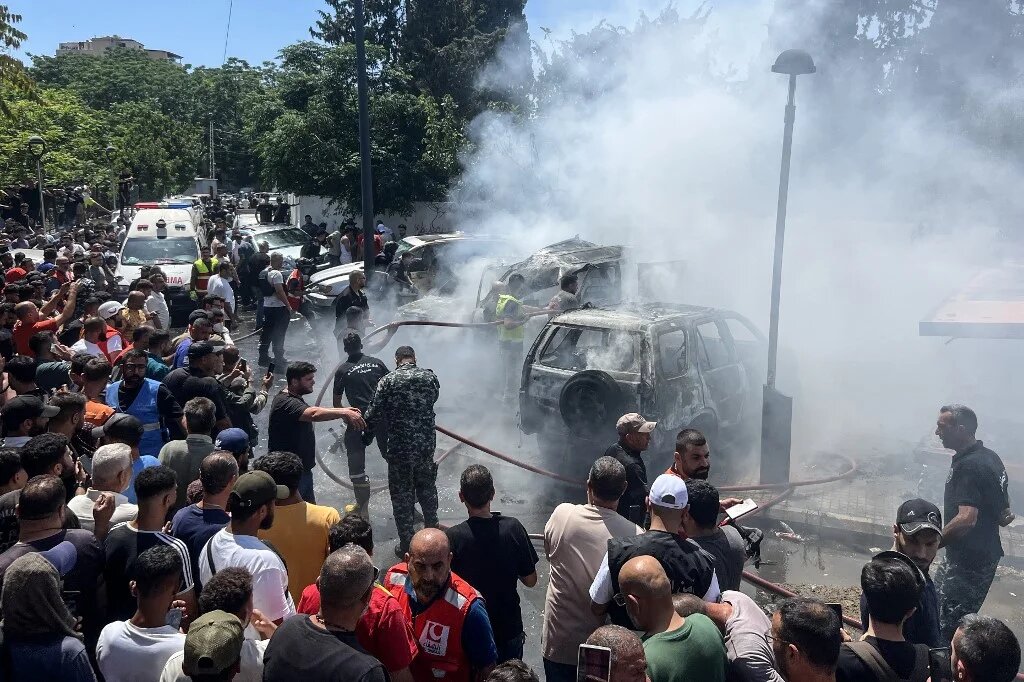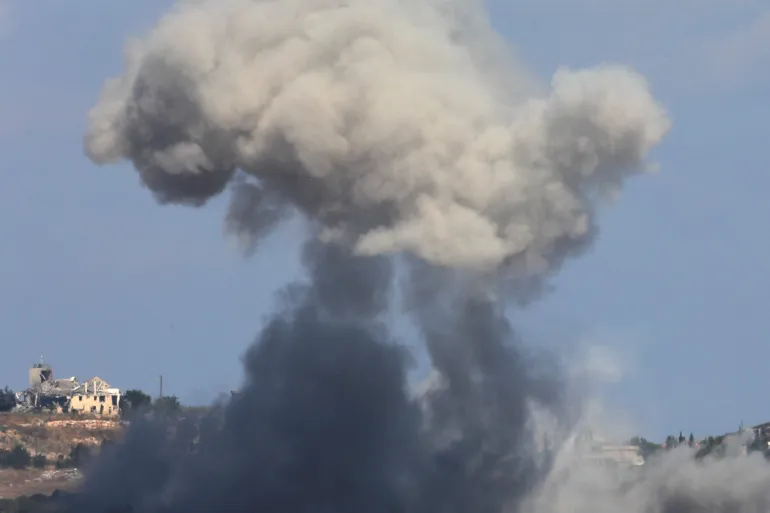
Israeli forces carried out multiple raids across southern Lebanon on Friday, targeting several locations including al-Bayyad, Jebchit, and Qalaouiyah, according to reports. These military operations signify an ongoing pattern of engagement in the region, drawing international attention to the volatile border area. An Israeli air raid on the small village of al-Bayyad in Lebanon’s Tyre district resulted in one person being injured, noting the immediate human impact of these actions. Separately, a drone strike hit the town of Jebchit, located in the Nabatieh district, further indicating the varied assault methods employed by Israeli forces.
Further south, an Israeli army explosion was reported in the plain of Khiam, which is situated within the Marjayoun district. This incident shows the widespread nature of the military activity, affecting different geographical areas and communities. Additionally, Israeli warplanes launched attacks on the town of Qalaouiyah, contributing to the broader aerial assault reported across the region. These incidents occurred amidst ongoing reports of potential ceasefire and peace deal negotiations in the region, creating a complex backdrop of both conflict and diplomatic efforts. The simultaneous occurrence of military actions and peace talks reflects the intricate and often contradictory dynamics at play in the Middle East.
Escalating Attacks on Lebanese Soil
The recent military actions on Friday included a significant attack on the main street near the Ali Kamal Suleiman Volunteer Centre. This establishment is notably affiliated with the al-Risala Health Ambulance Association, an organization dedicated to providing key medical services. The proximity of the attack to such a facility raises concerns about the safety of humanitarian workers and civilians in the affected areas. Separately, Israeli warplanes struck the Arid Dbeibin area, located within the Marjayoun district. This aerial assault targeted another specific location, adding to the list of areas impacted by the Israeli military's operations.
Further reports indicated that artillery shelling hit the outskirts of Buyout al-Sayyad in the Tyre district. Artillery fire, often less precise than targeted strikes, poses a significant risk to civilian infrastructure and lives in densely populated areas. Concurrently, drones continued to operate at low altitude over the town of Baysariyeh in the Sidon district and its nearby areas. The persistent presence of drones, flying at low altitudes, often causes distress among residents, signaling continuous surveillance and potential for further strikes. These aerial activities were observed amidst broader reports of Israeli military operations in southern Lebanon, suggesting a coordinated and extensive campaign. The incidents contribute to an ongoing pattern of military actions reported across various districts in the region, indicating a sustained period of heightened tension and conflict along the border.
Ceasefire and Diplomatic Maneuvers
Israel and Lebanon previously agreed to implement a ceasefire earlier this month, a development that offered a glimmer of hope for de-escalation. This ceasefire was contingent on a complete cessation of fire by Hezbollah, a key condition stipulated after US-led talks held in Washington, DC. The involvement of the United States in these negotiations notes the international community's efforts to broker peace and stability in the volatile region. Further diplomatic efforts are scheduled for June 22, when political and security discussions with Israel are expected to take place in Washington. These upcoming talks are anticipated to delve deeper into the modalities of a lasting peace and security arrangement.
Lebanon is demanding a full withdrawal of Israeli troops from the southern part of the country as part of any resolution. This demand reflects Lebanon's long-standing position on its territorial sovereignty and the desire to remove all foreign military presence. However, Israel's public broadcaster Kan reported that the Israeli government intends to demand specific actions from Lebanon. According to Kan, Israel will require Lebanon to take action against Hezbollah outside the designated "security zone" before it will consider the possibility of a troop withdrawal. This condition complicates the negotiation process, as it places the onus on Lebanon to curb the activities of a powerful non-state actor within its borders. These ongoing negotiations highlight the complex conditions being laid out by both sides for a sustained period of peace in the border region, emphasizing the significant hurdles that remain in achieving a full agreement. The intricate demands from both parties show the deep-seated mistrust and security concerns that have long characterized the relationship between the two nations.
Broader Conflict and Human Cost
Iran’s Mehr news agency reported on Friday that a draft deal between Iran and the U.S. Could establish a framework for ending the war on all fronts, including in Lebanon. This report suggests a broader diplomatic initiative aimed at de-escalating tensions across multiple conflict zones where both Iran and the U.S. Have interests. However, Lebanon’s government has insisted that it is not participating in any U.S.-Iran negotiations. This denial indicates Lebanon's desire to maintain its autonomy in foreign policy and avoid being drawn into larger regional power struggles. The spokesperson for the Ministry of Foreign Affairs stated that reports of a 14-point draft deal are merely media speculation, further distancing Lebanon from the alleged negotiations and emphasizing the need for official confirmation regarding such sensitive diplomatic endeavors.
Meanwhile, the human cost of the ongoing conflict in Lebanon has been substantial, painting a grim picture of the impact on civilian lives. Israeli attacks on Lebanon have resulted in the deaths of at least 3,711 people and wounded 11,483 individuals since the conflict escalated on March 2. These figures, provided by official sources, show the severe humanitarian crisis unfolding in the country. The Ministry of Public Health confirmed that among those killed, at least 247 were children, a particularly tragic statistic that notes the vulnerability of the youngest population. Additionally, 132 health workers have lost their lives, a devastating blow to the healthcare infrastructure already strained by years of economic and political challenges. The loss of medical personnel further impedes the ability to provide essential care to the wounded and sick, exacerbating the humanitarian crisis. These stark numbers serve as a powerful reminder of the devastating consequences of armed conflict on civilian populations and essential services. The ongoing violence not only claims lives but also leaves a lasting scar on communities, infrastructure, and the overall fabric of society.