Lebanon is preparing for upcoming negotiations in Washington, aiming to present a unified official stance. The country's diplomatic efforts are focused on consolidating its position ahead of these critical talks. This preparation is not merely procedural but represents a concerted national endeavor to navigate complex regional and international dynamics. The objective is to ensure that Beirut arrives in Washington with a coherent and agreed-upon policy, reflecting a national consensus on the issues at hand. This preparation is part of a broader diplomatic push to address current regional dynamics, showing the urgency and strategic importance of the impending discussions. The goal is clear: to go to Washington with a unified official stance that genuinely represents the collective will of the Lebanese state.
Unified Stance for Washington
Lebanon is formulating a full plan ahead of its diplomatic engagements in Washington. This initiative aims to present a unified national position on critical issues, thereby strengthening its negotiating leverage on the international stage. Discussions among advisors to the three presidencies have seen significant progress in shaping this strategy, moving towards a cohesive framework. Previously, some obstacles that were hindering the final formula have now been overcome, streamlining the process of reaching a consensus and allowing for clearer policy articulation. This advancement is key for projecting a strong, singular voice abroad.
Despite these advancements, communications remain open among various stakeholders to address any remaining points of disagreement. This ongoing dialogue seeks to refine the Lebanese proposal before its presentation on the international stage, ensuring all concerns are considered and integrated where possible. However, the absence of a full agreement has presented strategic setbacks for military plans, particularly those concerning the 'model zone'. This lack of consensus imposes severe operational restrictions, leaving such plans vulnerable to failure and noting the critical need for a unified approach. The unified diplomatic effort is intended to mitigate these challenges by establishing a coherent national policy, which is seen as indispensable for any effective implementation of security measures. The formulation of this full Lebanese plan is therefore not just a diplomatic exercise, but a foundational step towards securing Lebanon's interests.
Regional Backing Secured
Saudi envoy Prince Yazid bin Farhan is currently visiting Beirut, a diplomatic move showing the regional engagement with Lebanon's ongoing efforts. His presence in the Lebanese capital comes as Qatar also maintains continuous monitoring of the situation, reflecting broader Arab interest in the country's stability and diplomatic initiatives. These engagements are part of a concerted effort to secure support from key regional players, specifically Riyadh and Doha, whose influence is considered vital for regional stability. The visits by high-ranking officials and the sustained attention from Gulf states are a testament to the perceived importance of Lebanon's role in the wider regional context.
The objective of these diplomatic overtures is to garner backing for the Lebanese position and strengthen Arab support for the negotiation paper Lebanon intends to present in Washington. Securing this regional endorsement is seen as key for enhancing the credibility and leverage of Lebanon's unified ceasefire plan as it prepares for upcoming international discussions. The active involvement of Saudi Arabia and Qatar is expected to lend significant weight to Lebanon's proposals, transforming them from purely national ambitions into regionally endorsed initiatives. The visits and sustained attention from Gulf states aim to consolidate a common regional front ahead of critical diplomatic engagements, reinforcing the message that Lebanon's stability is a shared regional priority. This coordinated regional backing is considered an essential component for the success of Lebanon's diplomatic mission.
The Field vs. Diplomacy
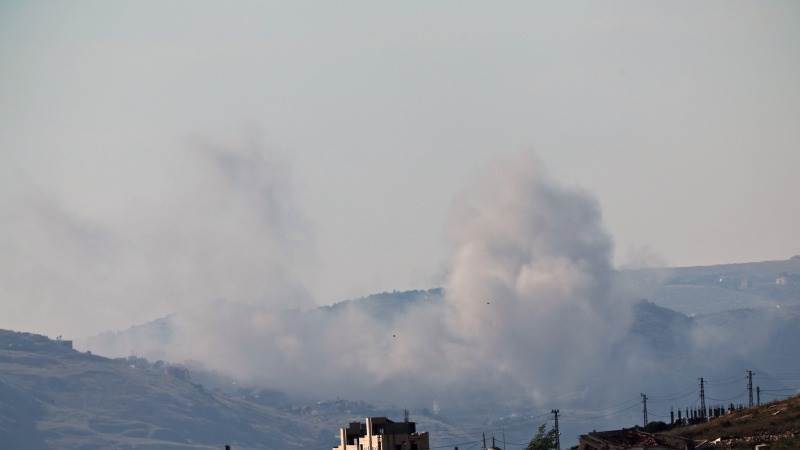
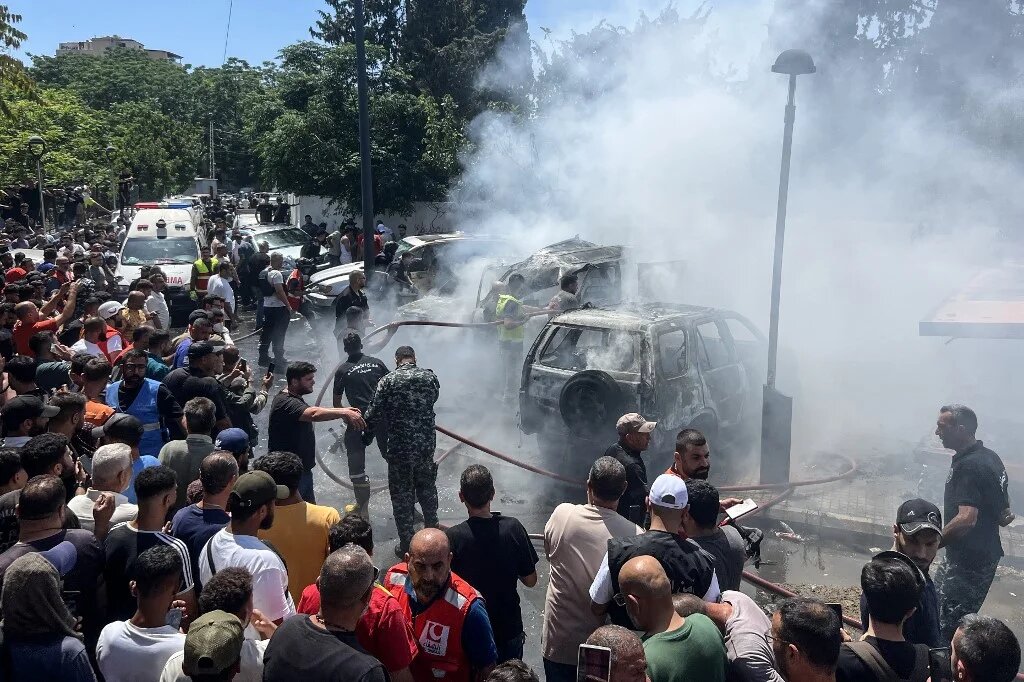
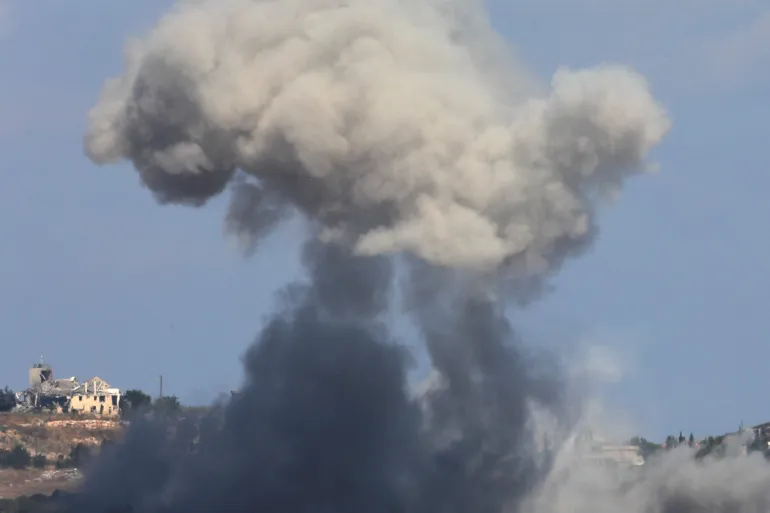
The objective of the proposed plan from Lebanon is to secure a full ceasefire, according to sources familiar with the ongoing diplomatic efforts. This goal is at the heart of the full Lebanese plan being drafted, aiming to bring an end to hostilities and establish a more stable environment. Despite the push for a cessation of hostilities, a significant disparity persists between the diplomatic initiatives underway and the realities on the ground. This deep gap between diplomatic movement and the field situation shows a central challenge in current regional dynamics, where political aspirations often clash with practical operational constraints.
All operational activities are reported to be intrinsically linked to the progression and maturity of the political track, indicating that military or security actions are highly dependent on diplomatic advancements. This organic link means that progress on the ground cannot be sustained without corresponding political breakthroughs. Analysts suggest that any effective breakthrough in the current situation is contingent upon a full agreement that successfully links diplomatic outcomes with the practicalities and conditions observed in the field. Without such a holistic approach, the effectiveness of isolated measures remains limited, and efforts risk being undermined by a lack of integrated strategy.
For instance, the implementation of the 'model zone' is described as having restricted effectiveness outside the context of a broader settlement. This notes the interdependency between military or security arrangements and overarching political resolutions; the implementation of the 'model zone' remains limited in effectiveness outside a broader settlement. The absence of an agreement imposes severe operational restrictions and makes plans vulnerable to failure, demonstrating that military objectives cannot be achieved in a political vacuum. The current environment necessitates that diplomatic efforts directly address and integrate with ground realities to achieve sustainable outcomes. Reaching a unified national position in Washington is thus seen as key for bridging this divide and ensuring that any proposed ceasefire or security arrangements are viable and enduring. The alignment of these two fronts is considered essential for moving towards a stable resolution, transforming diplomatic rhetoric into tangible peace on the ground.