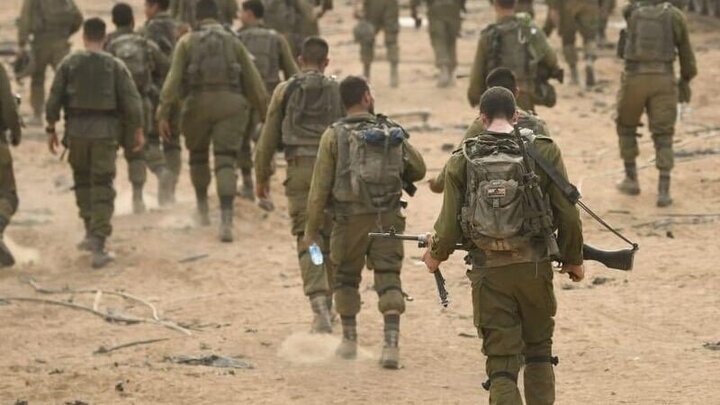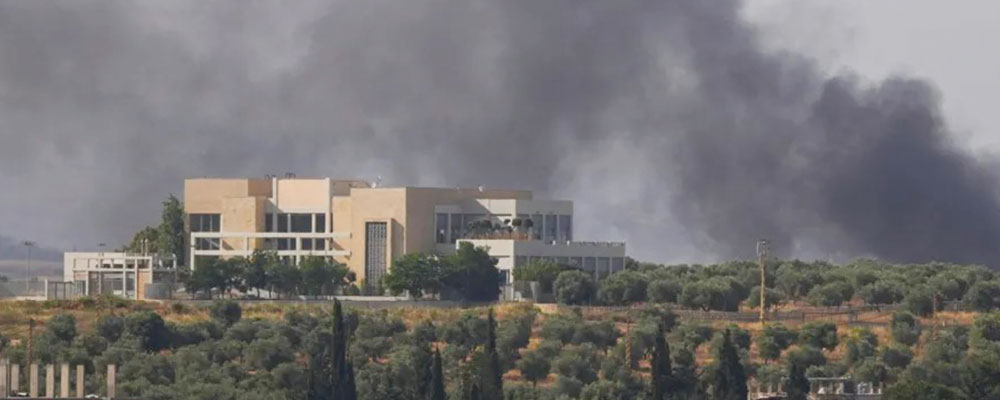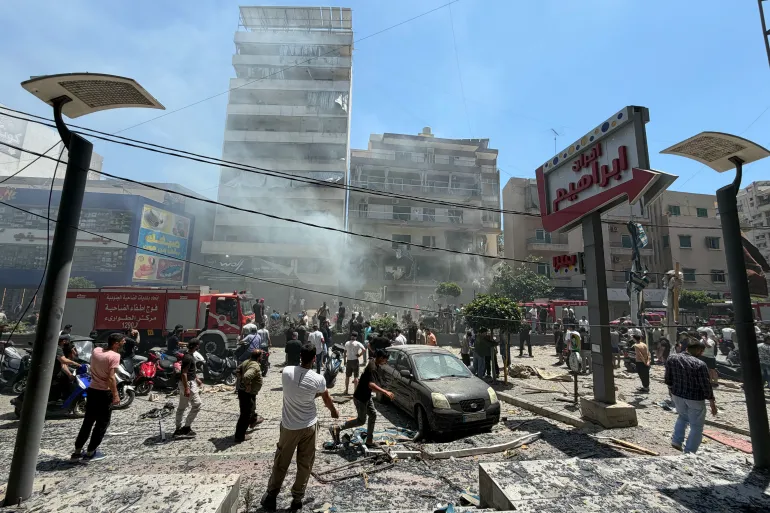
Israel will not withdraw from southern Lebanon as part of the newly agreed US-Iran deal, an Israeli source told The Jerusalem Post on Monday, despite Iranian demands. This firm stance from Jerusalem comes amidst the finalization of a significant international agreement. Hours before the US-Iran deal was officially finalized on Sunday, Prime Minister Benjamin Netanyahu and Defense Minister Israel Katz issued instructions to the Israel Defense Forces (IDF) to target the Dahiyeh district of Beirut. This directive from the highest levels of Israeli leadership showed the ongoing security concerns in the region, even as diplomatic efforts reached a crescendo.
Deal Details and Lebanon's Role
The inclusion of Lebanon in the broader diplomatic framework of the US-Iran deal was explicitly announced by Pakistani Prime Minister Shehbaz Sharif. Speaking on the implications of the agreement, Sharif stated, "Both sides have declared the immediate and permanent termination of military operations on all fronts, including in Lebanon." This declaration by Prime Minister Sharif directly linked the full deal to the cessation of hostilities within the Lebanese territory. The announcement from Pakistan noted the wide-ranging scope of the agreement, which aims to de-escalate tensions across various flashpoints in the Middle East. Meanwhile, the Israeli military action in Beirut's Dahiyeh district was characterized by Israeli officials as a direct response to recent Hezbollah fire toward Israeli territory. This retaliatory strike occurred as the international community anticipated the final details of the US-Iran agreement.
Pre-Deal Israeli Strikes and Unaddressed Issues
Prime Minister Benjamin Netanyahu has yet to publicly address the specifics of the US-Iran deal or the particular issue of Israel's stance regarding Lebanon following its finalization. The Israeli military action in Beirut's Dahiyeh district occurred shortly before the deal's finalization, raising questions about its timing and potential implications for the nascent agreement. Prior to conducting the strike, the Israel Defense Forces (IDF) took the step of notifying US Central Command (CENTCOM). This notification process is a standard procedure in certain military operations involving regional security interests and reflects the ongoing coordination between the two allies. The decision to proceed with the strike, even with the deal on the horizon, signals Israel's resolve in addressing perceived threats.
International Reactions and Diplomatic Fallout
US President Donald Trump spoke with Prime Minister Benjamin Netanyahu following the strikes in Beirut, engaging in a direct discussion about the unfolding events. Subsequently, President Trump publicly denounced the Israeli actions on social media, expressing his displeasure. Trump stated, "This morning's attacks should not have happened, particularly on a special day when we are so close to a Peace Deal with Iran." He further characterized the Israeli actions as "very small and meaningless," an assessment that contrasted sharply with the gravity of military operations. Despite his criticism, President Trump affirmed that Israel has the right to "defend itself against threats," reiterating a long-standing position of the United States. His comments came after the Israel Defense Forces (IDF) had already notified US Central Command (CENTCOM) prior to conducting the strike, indicating that the US was aware of Israel's intentions before the operation commenced. The public nature of Trump's rebuke showed the delicate balance of interests and alliances in the region as the US-Iran deal solidified.