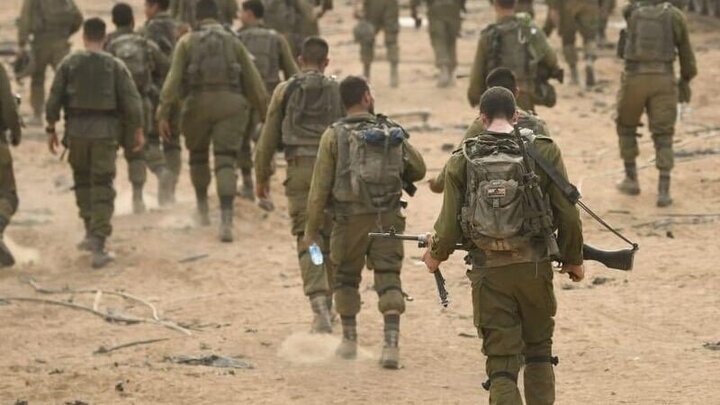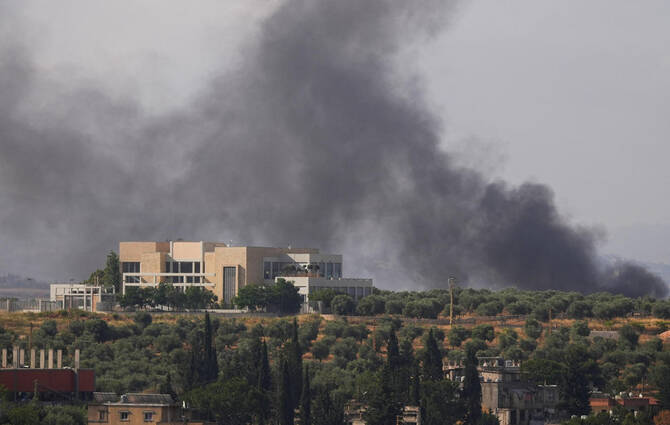
Israel carried out air strikes in southern Lebanon, targeting locations in the Tyre district. The strikes occurred amidst ongoing reports of a potential agreement between the US and Iran. The reported agreement also envisages an end to the conflict between Israel and Hezbollah in Lebanon. These military actions by Israel in the south of Lebanon come at a critical juncture in regional diplomacy, drawing international attention to the intricate connections between ongoing conflicts and emerging political settlements.
Lebanon Under Fire
At least one person has been killed following a strike on the town of Marrakeh, located in Lebanon's Tyre district. The strike occurred as Lebanese state media reported that Israel had issued orders for residents to evacuate approximately 20 locations within the country. The precise nature and target of the strike in Marrakeh were not immediately clear, nor was the identity of the deceased person. Local reports indicated that the Israeli military operations in southern Lebanon have intensified in recent days, contributing to a volatile security situation along the border. The orders for evacuation by Israel have further heightened concerns among the civilian population in the affected areas, showing the immediate human impact of the escalating hostilities. Israel's Prime Minister had previously warned that his country would strike Hezbollah if the group continued its attacks against northern Israel, a statement that now resonates with the recent actions in southern Lebanon. This prior warning provides essential context to the current military engagements, noting Israel's stated red lines regarding Hezbollah's activities.
The escalation in Lebanon takes place amid ongoing discussions about a potential agreement between the US and Iran. While the broader context of this agreement has been linked to regional stability, previous reports from the US have suggested that Lebanon might not be directly included as part of this particular deal. This distinction could have significant implications for the future of the conflict between Israel and Hezbollah in Lebanon, which some interpreted as being part of the wider US-Iran diplomatic efforts. The absence of Lebanon from the reported deal could mean that the specific security concerns and ongoing hostilities in the country might not be addressed through the proposed diplomatic channels, potentially leaving a critical regional flashpoint unresolved. The situation remains fluid as regional actors monitor developments related to both the military actions and the diplomatic negotiations, with the fate of Lebanon's security hanging in the balance.
US-Iran Diplomacy Unfolds
The strikes on Lebanese territory occurred shortly after Iran's foreign minister stated that an agreement to cease hostilities with the United States was nearing completion. Seyed Abbas Araghchi also indicated that the deal encompassed the reopening of the Strait of Hormuz and informed Iranian state television that it included the lifting of a United States blockade against Iran. According to Araghchi, discussions regarding Iran's nuclear program would commence at a later stage, suggesting a phased approach to resolving long-standing issues between the two nations. This announcement by Iran's foreign minister signaled a significant advancement in the diplomatic efforts, even as military tensions persisted in other parts of the region.
Separately, United States President Donald Trump announced on Thursday that he had cancelled "scheduled attacks" against Iran, citing that negotiators had "just made a great settlement." The President added that any reports suggesting the deal was linked to Iran's nuclear program bore "no relation to the truth," and added that such reports had "nothing to do with the terms that were agreed to." This statement from President Trump provided a contrasting perspective on the nature and scope of the agreement, particularly regarding the contentious issue of Iran's nuclear capabilities. His emphasis on a "great settlement" without direct ties to the nuclear program aimed to frame the deal in a specific light for domestic and international audiences.
Pakistani Prime Minister Shehbaz Sharif confirmed that a Memorandum of Understanding (MOU) between the United States and Iran had been agreed upon and was awaiting finalization. This confirmation from a third-party regional actor lent further credence to the reports of an impending agreement. For many decades, Western nations have accused Iran of attempting to develop a nuclear weapon, a claim that has been a central point of contention in international diplomacy and a primary driver of sanctions and tensions. The recent diplomatic developments come amidst a backdrop of long-standing international concerns regarding Iran's nuclear ambitions, making any agreement between the US and Iran highly significant. The potential agreement, as described by both Iranian and US officials, suggests a significant shift in the diplomatic landscape between the two countries, moving away from direct confrontation towards a negotiated settlement. The details surrounding the lifting of the US blockade and the reopening of the Strait of Hormuz are key components of the reported understanding, promising substantial economic relief for Iran. Future talks on Iran's nuclear program, as mentioned by Seyed Abbas Araghchi, indicate that the broader issues between the nations are intended to be addressed in stages, recognizing the complexity of the relationship. This unfolding diplomatic process is being closely watched by regional and international observers, particularly given the ongoing security concerns in the Middle East and the potential for a broader de-escalation.
Regional Conflict Dynamics
Israel's Prime Minister had previously warned that his country would strike Hezbollah if the group continued its attacks against northern Israel. Israel is not involved in the talks intended to lead to an extension of the ceasefire and the start of negotiations on key issues, including Iran's nuclear program. This exclusion notes a potential disconnect between the US-Iran diplomatic track and Israel's immediate security concerns, particularly regarding its northern border. The ongoing conflict began with US and Israeli strikes across Iran on February 28. Following these initial strikes, Iran attacked Israel and US-allied states located in the Gulf, marking a significant escalation in regional hostilities. Iran subsequently took action to effectively close the Strait of Hormuz, a critical shipping lane for global oil supplies, demonstrating its capacity to disrupt international commerce and exert pressure. The United States and Iran have since exchanged intermittent fire, including two rounds of tit-for-tat strikes that occurred this week, further illustrating the fragility of the regional security situation. These exchanges highlight the persistent tensions in the region despite diplomatic efforts elsewhere, showing the challenges of achieving full peace. The broader implications of the US-Iran diplomatic discussions on these regional military dynamics remain a subject of international observation, as the success of any deal will likely be measured by its ability to reduce overall regional instability.
Deal Details and Disagreements
United States officials confirmed some details of the reported agreement, stating that economic benefits for Iran would be contingent on Tehran fulfilling its obligations. This conditionality shows the US's intent to ensure Iran's compliance with the terms of the deal before economic relief is fully granted. On Friday, Iranian media outlets published specific elements from what they described as a 14-point deal. This contrasted with comments from United States President Donald Trump, who had asserted that any reports linking the deal to Iran's nuclear program bore "no relation to the truth" and had "nothing to do with the terms that were agreed to." The discrepancy in reporting between Iranian media and President Trump's statements suggests differing interpretations or public messaging strategies regarding the agreement's content. Iran's Seyed Abbas Araghchi was quoted in state media, saying there are "supporters and opponents" of the latest terms of the deal among Iran's top security body, the Supreme National Security Council. He added that a collective decision had not yet been reached, stating, "For now, we must wait. If approved, the agreement will be signed remotely." This internal debate within Iran's leadership notes the complexities of securing final approval for such a significant international agreement. The reported agreement also stipulates that Iran is to cease funding proxy groups in the region, a critical demand from the US and its allies aimed at curbing Iran's regional influence and destabilizing activities. This particular clause, if implemented, could have broad effects on conflicts across the Middle East, including those involving groups like Hezbollah. The ongoing negotiations and the internal political dynamics within Iran indicate that while a deal may be close, its final terms and implementation still face considerable hurdles.