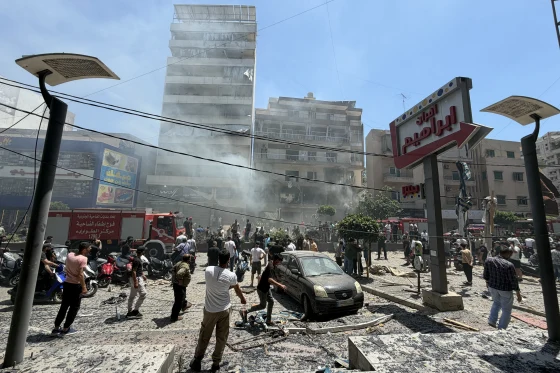
Israel's military stated it attacked Hezbollah targets in Beirut's southern suburbs on Sunday, following Hezbollah's rocket fire into Israeli territory. This latest military action marks a significant escalation in the ongoing conflict. Lebanese security sources reported the strike on Dahiyeh appeared to be a targeted operation involving two missiles, indicating a precise and deliberate military response. The attack took place in a densely populated area, raising concerns about potential civilian impact, though initial reports focused on the military nature of the targets.
Hezbollah's Actions Detailed and Regional Impact
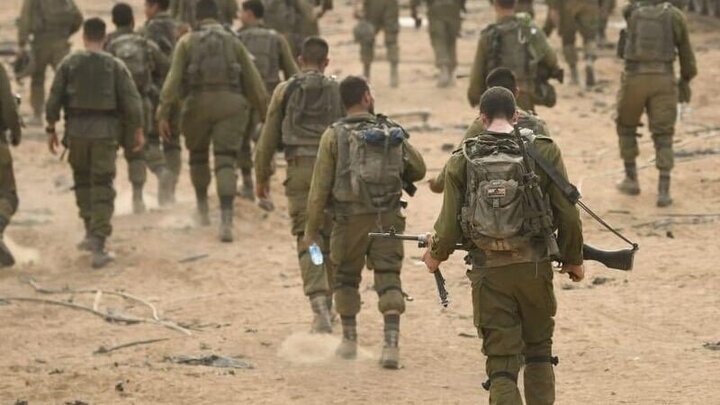
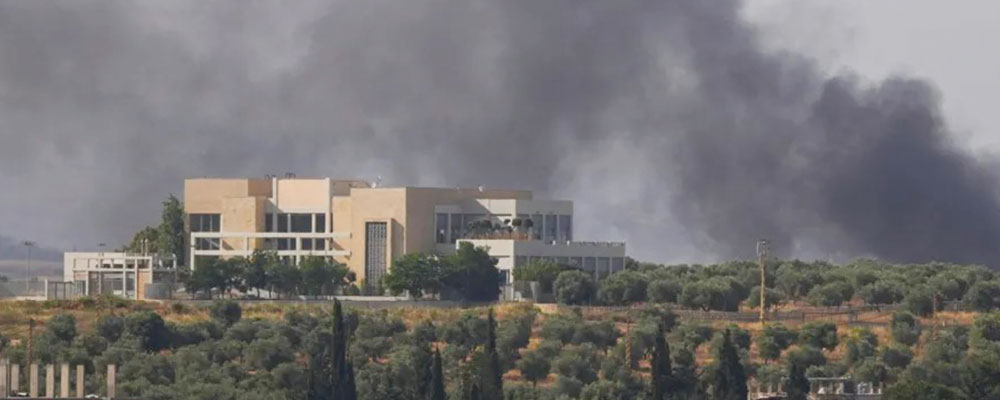
Hezbollah stated it launched missiles and drones towards Israeli troops located in southern Lebanon. These actions by the Iran-backed group came amid escalating tensions in the region, which have seen a consistent exchange of fire across the Lebanon-Israel border. The group's statement detailed its targeting of Israeli military positions, showing the direct engagement between the two adversaries. The use of both missiles and drones suggests a multifaceted approach by Hezbollah in its operations against Israeli forces.
Context of Escalation and Diplomatic Efforts
The recent events are set against a backdrop of heightened regional instability. Last week, an Israeli strike on Dahiyeh triggered an exchange of fire between Israel and Iran, which threatened to derail a proposed U.S.-Iran deal. This incident noted the interconnectedness of regional conflicts and the potential for localized clashes to impact broader diplomatic initiatives. Washington and Tehran appear to be getting closer to a deal to end the more than three-month-long conflict, a development that has been closely watched by international observers. Leaders from the United States and Pakistan forecast that a signing could occur on Sunday, indicating significant progress in the negotiations. However, Iran has consistently maintained that the cessation of fighting in Lebanon is a prerequisite for any broader agreement reached with the United States, linking the resolution of the Lebanon conflict directly to the success of the wider U.S.-Iran negotiations. This condition has added a complex layer to the diplomatic efforts, as continued hostilities in Lebanon directly impede the potential for a larger agreement.
Official Statements Confirm Strikes
The Israeli military stated earlier that Hezbollah had launched three projectiles towards communities in northern Israel. These projectiles, fired from Lebanese territory, prompted immediate alerts and defensive actions within Israel. In response to Hezbollah's firing into Israeli territory, the Israel Defense Forces (IDF) now confirm they have attacked "terrorist targets of the Hezbollah terrorist organization" in Beirut's Dahiyeh neighborhood. The IDF's statement explicitly links their retaliatory strike to Hezbollah's prior actions, emphasizing a direct response to what they describe as terrorist activities. This confirmation from the IDF shows the official stance that the strikes were a necessary measure to counter threats originating from Lebanon. The targeting of Dahiyeh, a known stronghold of Hezbollah in Beirut, signals Israel's intent to degrade the group's operational capabilities and infrastructure in response to cross-border attacks. The precision of the reported two-missile strike, as noted by Lebanese security sources, suggests a deliberate effort to hit specific targets within the densely populated area.