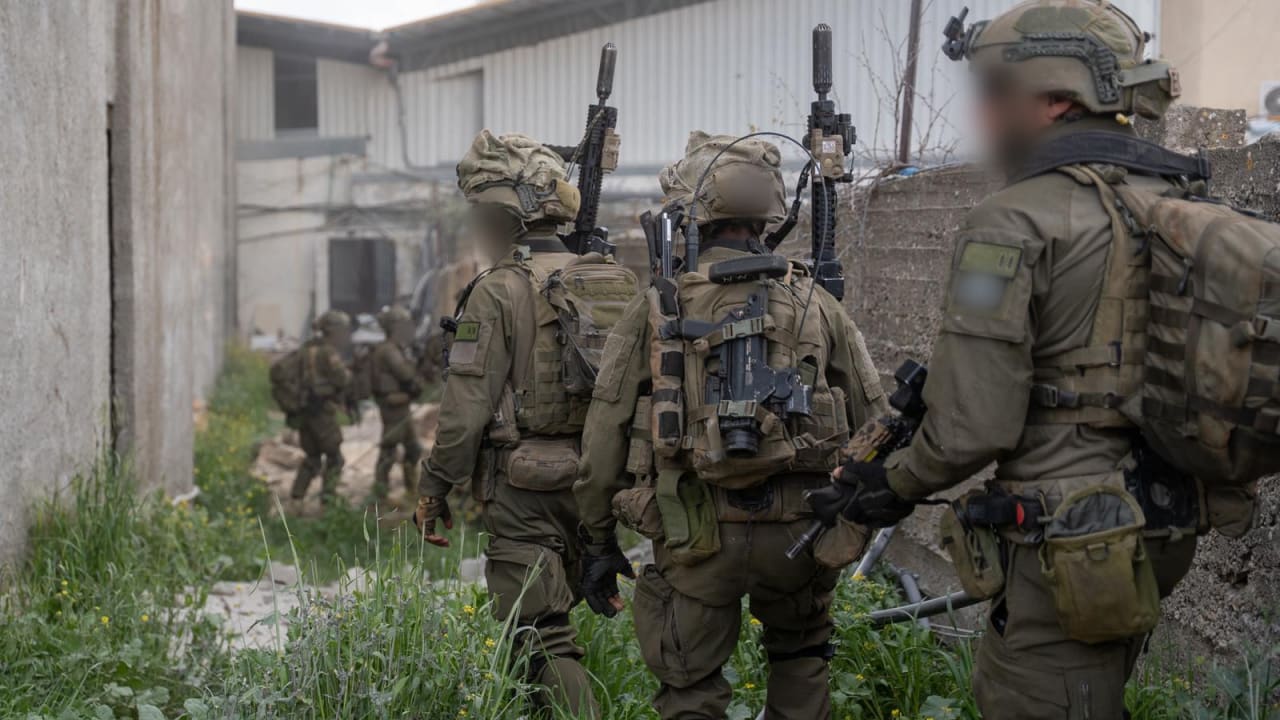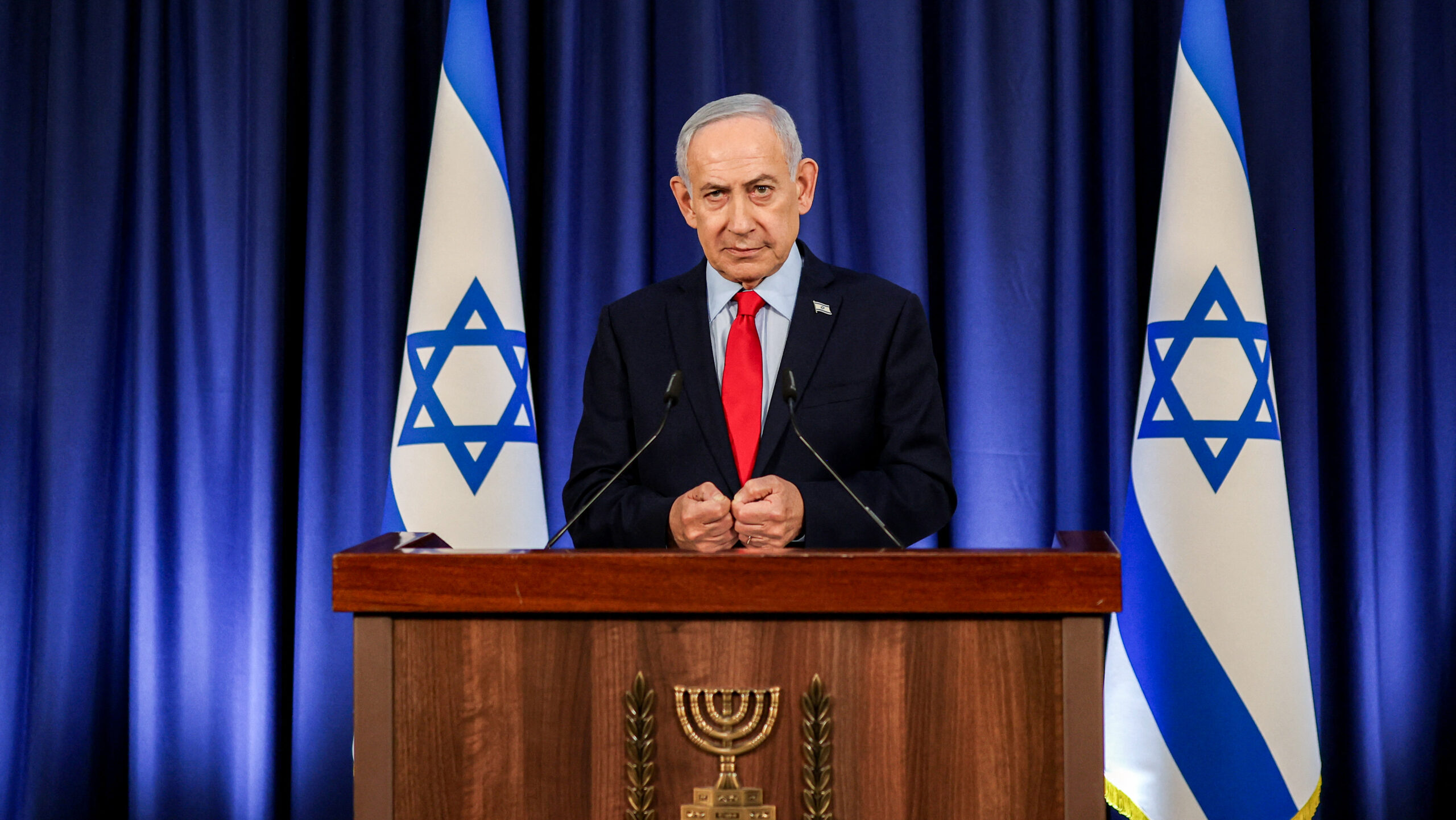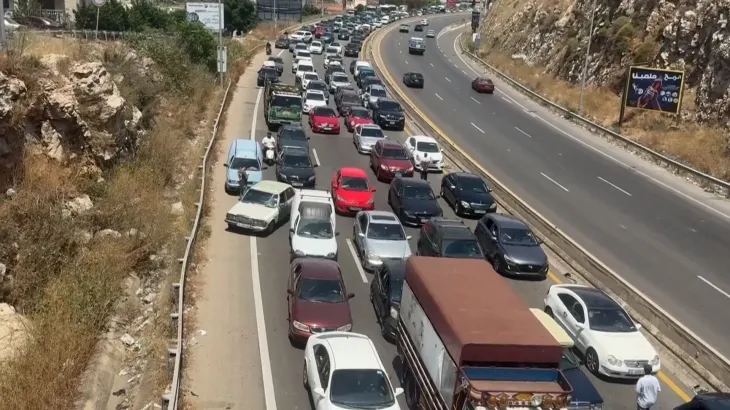
Thousands of displaced Lebanese began returning to southern Lebanon on Monday following a recently brokered war agreement. This significant movement marks a key turning point for the region. The influx signals a substantial step towards normalcy for the communities affected, which have seen a considerable portion of their population depart due to ongoing conflict. Many families are now assessing the condition of their homes and communities as they re-establish their lives in the area, a process that is expected to take time and considerable effort. The return comes as international efforts continue to stabilize the broader situation in Lebanon, with a focus on ensuring lasting peace and facilitating recovery.
Details of Displacement and Return
People began their efforts to return home after a period of nearly four months marked by conflict. This extended period of displacement had profoundly affected numerous communities across southern Lebanon, prompting many residents to seek refuge elsewhere as hostilities escalated. Their return follows the recent agreement aimed at de-escalating tensions in the region, providing the first opportunity for many to come back to their homes. This influx of returning individuals and families shows the deep desire of the displaced population to resume their lives in their original communities, despite the challenges that lie ahead. The process involves full assessments of residential properties and local infrastructure, much of which may have sustained considerable damage during the fighting. Organizations on the ground are actively working to facilitate the return and provide necessary assistance to those re-establishing themselves in the affected areas of southern Lebanon, offering support for immediate needs and long-term recovery. The sheer scale of the return notes the significant impact of the preceding four months of war on the daily lives and stability of the local population, disrupting livelihoods and community structures.
Background to the Conflict
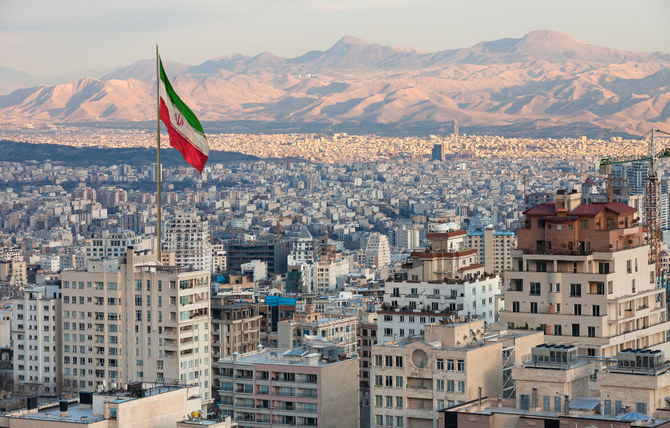
The return of residents to southern Lebanon followed an agreement between the United States and Iran aimed at ending the recent conflict. This diplomatic understanding facilitated a vital de-escalation of hostilities that had impacted the region for nearly four months, causing widespread disruption and displacement. This agreement paved the way for the displaced population to begin their journey home, signaling a potential return to pre-conflict conditions in the affected areas. The understanding between the two nations served as a critical turning point, leading directly to the cessation of fighting and enabling the current movement of thousands back to their communities. It marked a significant development in efforts to stabilize the volatile border region, which had experienced heightened tensions for an extended period, and to allow for the resumption of normal life for those impacted by the prolonged period of displacement. The agreement's success in halting hostilities was a prerequisite for any large-scale return operation.
Looking Ahead
The return of thousands to southern Lebanon marks a key moment for the region, signaling the initial phase of recovery following nearly four months of conflict. Authorities and international organizations are now evaluating the long-term needs for reconstruction and humanitarian aid, recognizing the extensive damage and disruption caused by the hostilities. The sustainability of the recent agreement between the United States and Iran is considered key for ensuring continued stability, allowing residents to fully re-establish their lives without the constant threat of renewed hostilities. Future efforts will likely focus on rebuilding damaged infrastructure and restoring essential services to the affected communities across southern Lebanon, which are vital for supporting the returning population. The ongoing process of assessing property damage and providing assistance to returning families will remain a priority in the coming months, as communities strive to rebuild and recover from the impacts of the conflict.