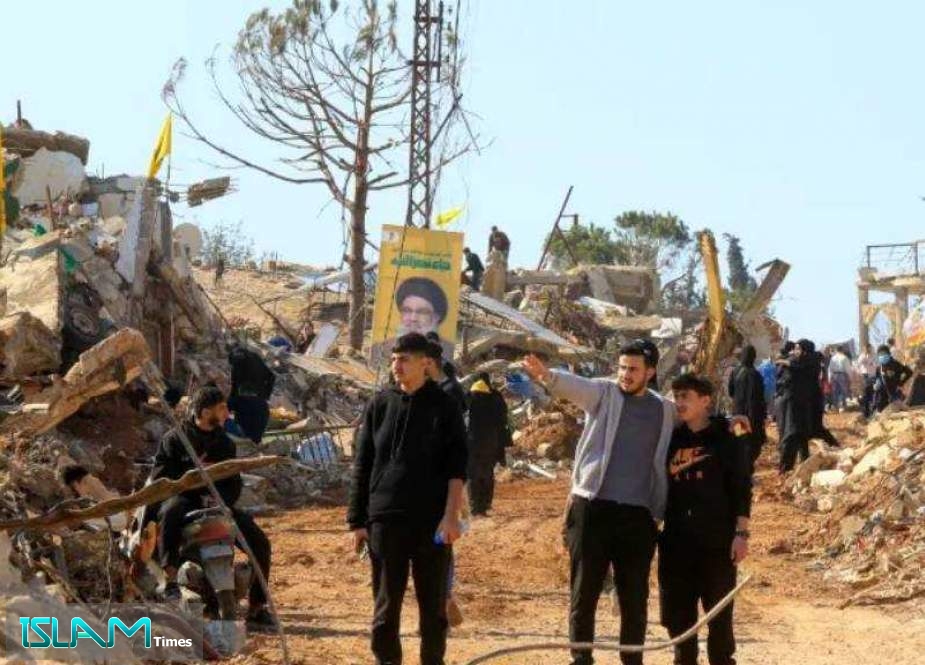
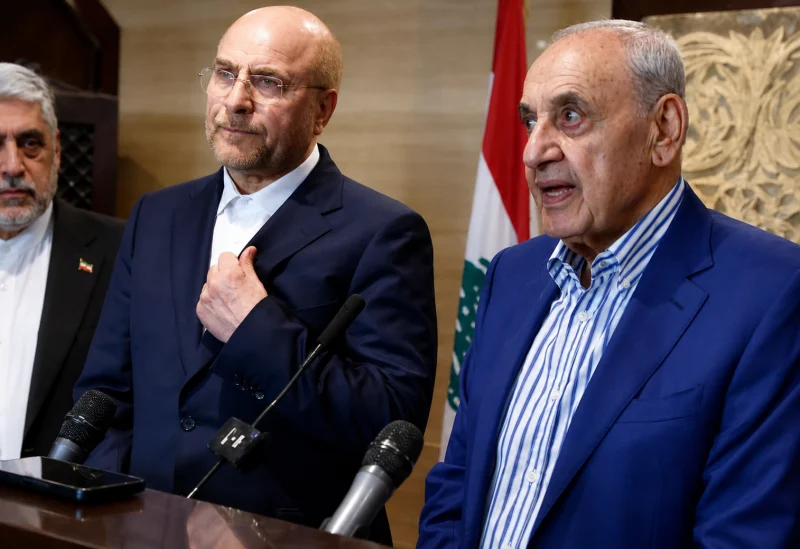
An understanding has been reached between Washington and Tehran, prompting intensified political readings regarding its implications for Lebanon. This significant diplomatic development has immediately led to a surge in analyses and discussions across political circles, particularly focusing on its potential ripple effects in the Middle East. Lebanon is considered among the issues addressed either directly or indirectly by this understanding, a point of considerable interest given the country's complex geopolitical position. MP Qassem Hashem of the Development and Liberation Bloc stated that Lebanon could be a primary beneficiary of the agreement, noting the profound implications for the nation. The potential benefit for Lebanon is linked to promises of stability, a much-needed element in a region frequently marked by volatility, and pressure on Israel to adhere to the ceasefire. This pressure would also extend to Israel's withdrawal from occupied Lebanese territories, addressing a long-standing point of contention and a key demand from Beirut. The intensifying political readings show the widespread belief that this understanding could fundamentally alter regional dynamics, with Lebanon at the forefront of potential positive changes.
Regional Dynamics Shift
The understanding reached between Washington and Tehran is viewed as transcending the traditional US-Iran relationship, approaching regional issues from a new angle. This perspective suggests a significant departure from previous diplomatic frameworks concerning the Middle East, indicating a fresh approach to complex, entrenched problems. This shift is not merely a tactical adjustment but is seen as a strategic re-evaluation of how the two powers engage on broader regional stability. Statements from US President Donald Trump have indicated a move towards strengthening regional security and stability on new foundations, signaling a proactive stance from Washington. These foundations are anticipated to reshape geopolitical interactions across the area, potentially leading to new alliances or reconfigured power dynamics. The emphasis on "new foundations" suggests a desire to move beyond historical grievances and establish a more stable regional order.
Multiple parties involved in the negotiation process, including Qatar, Pakistan, and the US, have mentioned Lebanon's inclusion in the understanding. This widespread acknowledgment by diverse negotiators shows the perceived breadth of the agreement's scope, indicating that Lebanon's concerns were not merely peripheral but were integrated into the broader discussions. The fact that various intermediaries from different geopolitical alignments have confirmed this inclusion lends significant credibility to the notion that Lebanon's stability is a key component of the understanding. The US, in its interest not to jeopardize the understanding with Iran, may be inclined to pressure Israel to avoid escalation or evading commitments. This potential US leverage could serve to reinforce stability in the Lebanese context, particularly concerning border dynamics and the broader geopolitical environment. The involvement of various intermediaries notes the multifaceted nature of the diplomatic efforts leading to the current understanding, reflecting a complex web of negotiations rather than a simple bilateral agreement. This intricate diplomatic dance suggests a concerted effort to address a range of regional flashpoints, with Lebanon being a critical one.
US Pressure on Israel
US President Donald Trump has reportedly asked Israeli Prime Minister Benjamin Netanyahu to withdraw from Lebanon, a direct and unequivocal request that shows the seriousness of the US commitment to regional stability as part of the understanding. This reported intervention from the highest level of US leadership notes the direct link between the US-Iran understanding and the long-standing issue of Israeli presence in Lebanese territories. Guarantor countries involved in the US-Iran understanding have confirmed that the issue of withdrawal is not distant from the spirit of the agreement, reinforcing the idea that this is a central, rather than ancillary, component of the broader diplomatic effort. Their confirmation adds weight to the notion that the understanding carries a regional dimension, with specific implications for the Israeli-Lebanese border.
MP Qassem Hashem of the Development and Liberation Bloc noted that Iran did not negotiate on behalf of Lebanon during the talks, clarifying that Iran was not acting as a proxy for Lebanese interests in the direct sense. However, Hashem stated that Iran did raise the issue of Israeli withdrawal from Lebanese territories during its negotiations with the US, indicating that while Lebanon was not a direct party, its geopolitical concerns were part of the broader discussions. This distinction is key, as it suggests Iran advocated for a principle rather than specific Lebanese demands, aligning with its broader regional policy. The inclusion of this topic in such high-level negotiations signifies its importance within the framework of achieving regional stability.
The Israeli stance of rejecting the understanding between the US and Iran is seen by some as an indicator of its potential positive impact for regional stability. This interpretation suggests that Israel's opposition may stem from the agreement's implications for its regional posture, particularly regarding its presence in occupied Lebanese territories, rather than from a fundamental flaw in the understanding itself. Such a reaction from Israel is often viewed through the lens of its strategic interests, implying that any agreement that could constrain its operational freedom or challenge its territorial claims would naturally be met with resistance. The reported request from President Trump to Prime Minister Netanyahu directly links US diplomatic efforts to the objective of an Israeli withdrawal. This development shows the potential for external pressure to influence the long-standing border issues between Lebanon and Israel, possibly paving the way for a resolution to a decades-old conflict. The direct engagement of the US President on this matter elevates the issue from a bilateral dispute to a critical component of a wider regional stability initiative.
Lebanese Reactions and Stance
Some Lebanese individuals reportedly refuse to engage with the understanding positively, despite Washington's acceptance of it and its implications for a ceasefire in Lebanon. This perspective indicates a degree of skepticism or opposition within parts of the Lebanese population regarding the potential benefits of the US-Iran understanding for their country, reflecting deep-seated distrust or alternative political viewpoints. This reluctance to embrace the understanding notes the complex internal dynamics within Lebanon, where various factions may have differing views on how best to secure national interests and stability. The skepticism could stem from historical experiences, concerns about external influence, or a belief that the understanding may not fully address Lebanon's unique challenges.
Speaker Nabih Berri has rejected proposals for 'experimental zones' or phased solutions concerning Israeli withdrawal from Lebanese territories. Berri views these suggestions as attempts by Israel to procrastinate on a full withdrawal, interpreting them as tactics designed to delay or avoid a complete disengagement. His stance emphasizes a demand for a complete and unconditional Israeli departure, rather than incremental or conditional steps, reflecting a firm and uncompromising position on Lebanese sovereignty. This rejection notes a firm position from a prominent Lebanese political figure against any arrangements that might delay or dilute the commitment to a full Israeli withdrawal. Berri's insistence on a complete withdrawal shows the Lebanese government's consistent demand for full implementation of international resolutions concerning its borders. The proposals, which Berri characterized as Israeli tactics, suggest ongoing efforts to manage the border situation and the presence of Israeli forces in contested areas, but these are clearly unacceptable to significant Lebanese political actors. His unequivocal rejection signals that any partial or temporary solutions will not be entertained by key Lebanese decision-makers, emphasizing the need for a definitive and full resolution to the border dispute.