The UN Security Council has decreed the dismantling of the United Nations Interim Force in Lebanon (UNIFIL) mission, with its operational conclusion set for January 2027. This significant decision, initially announced in 2025, marks a key moment for the peacekeeping presence in the volatile region. The decree to dismantle the mission in 2025, setting its final withdrawal for January 2027, coincides with broader international discussions about funding for international operations. The United States, a major contributor to the United Nations, has explicitly expressed a willingness to cut its financial contribution to the UN. This stance from the US is also accompanied by its application of pressure on Israel regarding various regional issues, adding another layer of complexity to the geopolitical landscape surrounding UNIFIL's impending departure. The confluence of these factors shows a period of significant change and uncertainty for security arrangements in southern Lebanon.
Mission's Genesis and Evolution
The United Nations Interim Force in Lebanon (UNIFIL) was established 48 years ago, with its first troops arriving in 1978. This deployment followed a critical period of regional instability, specifically the Israeli army's third invasion of southern Lebanon that same year. The initial mandate for UNIFIL was clear and multifaceted: to confirm the withdrawal of Israeli forces from Lebanese territory, to restore international peace and security in the area, and to assist the Lebanese government in re-establishing its effective authority throughout the southern regions of the country. These foundational objectives guided the mission's early operations and set the stage for its long-term presence.
Over the decades, UNIFIL's role evolved, adapting to the changing dynamics of the conflict-ridden border region. A significant expansion of UNIFIL's mandate occurred after the devastating 2006 conflict between Israel and Hezbollah. In the aftermath of that intense period of hostilities, UN Resolution 1701 was unanimously adopted by the UN Security Council in August 2006. This landmark resolution not only ordered an immediate cessation of hostilities but also stipulated a key condition: that the Lebanese army should be the only armed force in southern Lebanon, operating alongside UNIFIL. This mandate significantly bolstered the mission's capacity and responsibilities, tasking it with monitoring the cessation of hostilities, accompanying and supporting the Lebanese Armed Forces as they deployed throughout the south, and extending assistance to the Lebanese government in exercising its sovereign authority. The resolution was designed to create a new, more stable environment, preventing a recurrence of hostilities and ensuring respect for the Blue Line.
Following the implementation of UN Resolution 1701, the region experienced a period of relative stability that remarkably lasted 17 years. During this extended period, UNIFIL continued its operations diligently, playing a critical role in monitoring the cessation of hostilities and fostering a secure environment. The mission actively supported the Lebanese Armed Forces (LAF) in their efforts to maintain security and extend state authority in the mission's area of operations, south of the Litani River. This long stretch of relative calm, facilitated by UNIFIL's presence and the adherence to Resolution 1701, contrasted sharply with the region's earlier history of frequent conflict. The stability allowed for some degree of normalcy to return to the lives of the local population, although underlying tensions always remained a concern.
Escalating Hostilities and UNIFIL's Role
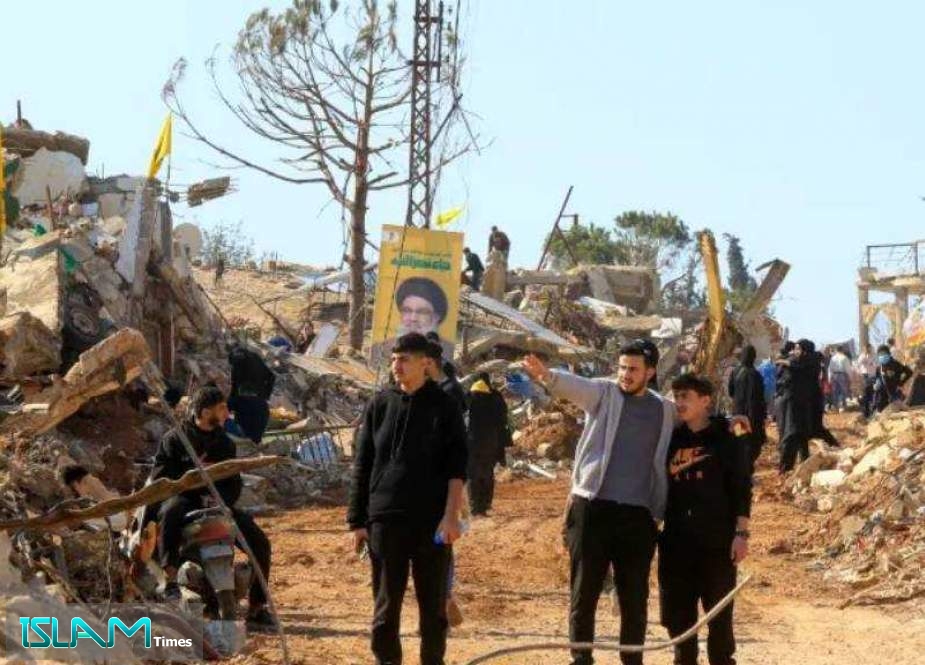
The fragile peace was shattered following the attack by Hamas on southern Israel on October 7, 2023, initiating a new and intense period of conflict across the broader region. In the wake of this event, Hezbollah began striking Israel, stating unequivocally that its actions were in support of its Palestinian ally. This marked a significant escalation along the Israel-Lebanon border, drawing UNIFIL into an increasingly dangerous operational environment. The intensity of the exchanges has been constant, with Hezbollah also firing at Israel in March of this year, further showing the ongoing nature of the hostilities.
The United Nations Interim Force in Lebanon (UNIFIL) contingent has been meticulously documenting the trajectory of fire in its area of operations. In a recent assessment, the mission has attributed approximately 6,000 trajectories to non-state actors, identifying them as "presumably Hezbollah." This ongoing activity by non-state actors, which frequently involves rocket and missile launches, marks a significant challenge to the region's stability and directly contravenes the provisions of UN Resolution 1701, which calls for the absence of armed groups other than the Lebanese Armed Forces in southern Lebanon.
The humanitarian and military toll of these escalations has been severe. The Lebanese government has accused Israel of killing 30 members of the Lebanese army during the recent period of heightened conflict, a claim that notes the direct impact of the hostilities on national forces. The dangers faced by peacekeepers themselves have become tragically evident. Last Friday, two soldiers of Malaysian nationality, serving with UNIFIL, were wounded in an incident, showing the immediate and severe risks faced by the multinational forces striving to maintain peace in the area. These incidents serve as stark reminders of the volatile environment in which UNIFIL operates.
Expert Warnings and Future Concerns
The United Nations Interim Force in Lebanon (UNIFIL) mission is officially scheduled to conclude in January 2027, marking the end of nearly five decades of peacekeeping presence. This impending withdrawal comes at a time of heightened criticism and concern. Benjamin Netanyahu's government in Israel has openly accused UNIFIL of failing to prevent Hezbollah's reestablishment and military buildup in the territory south of the Litani River, which is designated as a zone free of armed groups under UN Resolution 1701. These accusations reflect a deep-seated frustration from the Israeli side regarding the perceived ineffectiveness of the mission in curbing Hezbollah's activities.
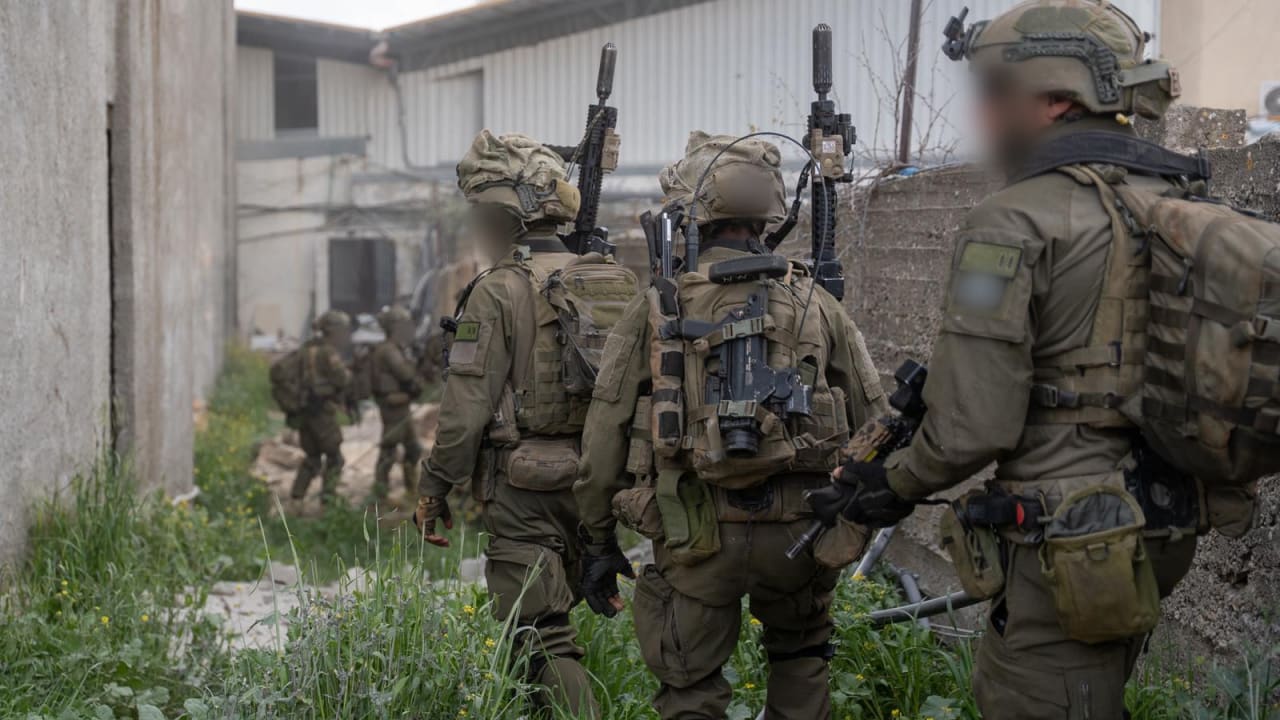
The scale of the recent hostilities is further illustrated by UNIFIL's own data. Between March 2 and June 9, UNIFIL meticulously recorded approximately 53,700 trajectories of fire within its area of operations. The mission’s detailed analysis attributed 47,000 of these trajectories, representing a substantial 89% of the total recorded fire, to the Israeli army. This data provides a stark illustration of the intensity and primary source of fire during this period, noting the significant role played by the Israeli military in the ongoing exchanges. The remaining approximately 6,000 trajectories were attributed to non-state actors, presumably Hezbollah, as mentioned earlier. The human cost of this conflict has also extended to the peacekeepers themselves; tragically, seven blue helmets have died since March, showing the extreme risks faced by those serving under the UN flag in this increasingly dangerous environment. Their deaths serve as a grim testament to the perils inherent in monitoring a conflict zone where active hostilities are prevalent.
Currently, the UNIFIL contingent comprises 7,478 soldiers from 47 countries, representing a diverse international commitment to peace and security in Lebanon. These soldiers, hailing from various nations, work together to implement the mission's mandate under challenging circumstances. Captain John Timmins, who joined the peace mission in November 2025, offered valuable insight into the mission's function and its critical role. Captain Timmins stated, "We do important work. We document events so the UN has eyes and ears on the ground and understands what is happening." This emphasis on documentation notes UNIFIL's key function as an impartial observer and reporter, providing verifiable information to the international community. He also noted the mission's role in supporting local forces, a key component of its mandate under Resolution 1701. Captain Timmins added, "We supported the Lebanese army in establishing itself in southern Lebanon. The Lebanese forces were increasing their presence to replace the upcoming withdrawal of the peace mission." This statement shows the strategic importance of strengthening the Lebanese Armed Forces to assume full security responsibilities in the south, particularly as UNIFIL prepares for its eventual departure. The success of this transition will be critical for the long-term stability of the region in the absence of the international peacekeeping force. The efforts to bolster the LAF are a direct response to the impending conclusion of UNIFIL's mission, aiming to prevent a security vacuum that could further destabilize the border.
The decision to conclude the UNIFIL mission by January 2027, coupled with the escalating violence and the ongoing geopolitical pressures, sets the stage for a precarious future in southern Lebanon. The international community, particularly the UN Security Council and contributing nations, will closely watch the transition, hoping that the Lebanese government and its armed forces can effectively assume the security responsibilities previously shared with UNIFIL, thereby averting further conflict and ensuring the continued implementation of UN Resolution 1701 in a region long characterized by volatility. The withdrawal of such a significant international presence will undoubtedly alter the security dynamics, placing greater onus on national actors to maintain peace and prevent a return to full-scale conflict.