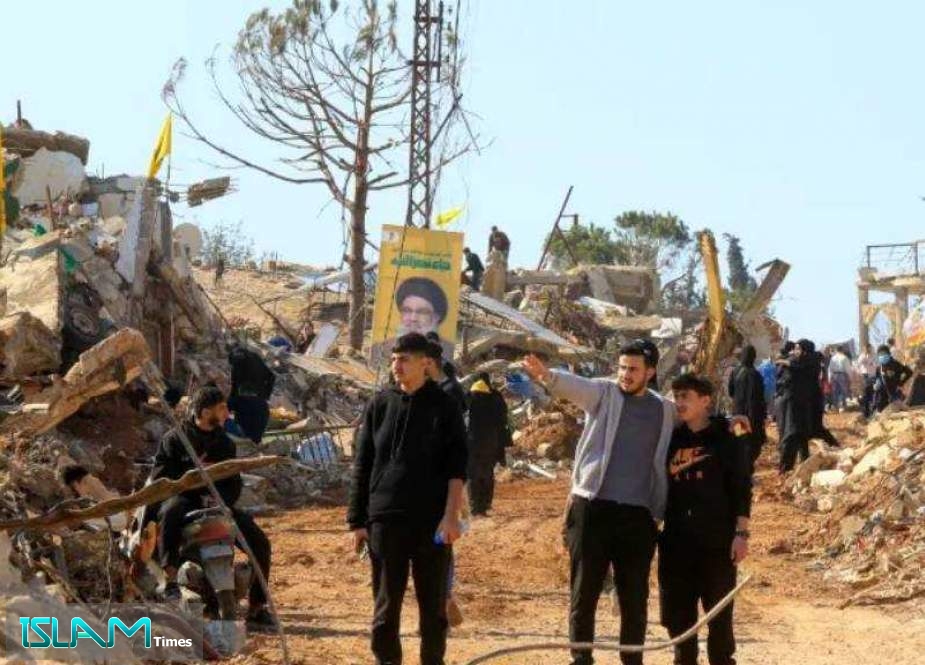
Former President Donald Trump condemned Israel over civilian casualties in its war against Hezbollah, stating that the nation has lost "tremendous support" due to its actions. Trump's remarks came during a recent interview where he elaborated on his criticism of Israel's military operations, showing a growing divergence from traditional Republican foreign policy. He specifically referenced the impact of the conflict on civilian lives, a point he has raised previously regarding the ongoing hostilities between Israel and Hezbollah. The former president's comments show a significant shift from the generally unwavering support Israel has historically received from Republican administrations and leaders.
Trump's Condemnation Details
Donald Trump voiced opposition to Prime Minister Benjamin Netanyahu's decision to launch an airstrike on Beirut. The former U.S. President's remarks showed his criticism of Israel's military actions and their impact on the region, particularly concerning the loss of innocent lives. His statements were part of a broader commentary on the ongoing conflict, where he noted concerns about civilian casualties and Israel's international standing. Trump's stance on the Beirut airstrike aligns with his recent expressions of disapproval regarding Israel's conduct in its war against Hezbollah, indicating a consistent viewpoint on the matter. The former president indicated that such actions, especially those resulting in civilian harm, could lead to Israel losing significant international backing and diplomatic leverage. This perspective suggests a re-evaluation of the long-term consequences of military operations on global alliances and public opinion. This reporting is based on information published on June 16, 2026.
Airstrike Timing and Context
The Beirut airstrike, which drew condemnation from former U.S. President Donald Trump, occurred in close proximity to a significant diplomatic event. The military action in Beirut took place just two hours before the signing of a peace deal between the United States and Iran. This precise timing has added a layer of complexity to the regional dynamics and raised questions about the coordination and intent behind the strike. The timing of the airstrike preceding the U.S.-Iran agreement has been a focal point of discussion regarding the broader regional context and potential implications for future diplomatic efforts. Trump's criticism of Israel, particularly regarding civilian casualties, has repeatedly noted his concerns about the impact of such military operations on international relations and support for Israel. The former president's sustained focus on these events shows his expressed views on the conduct of the conflict and its potential diplomatic repercussions, suggesting that military actions should be carefully weighed against their broader geopolitical effects.
Broader Geopolitical Implications
Former U.S. President Donald Trump's criticism of Israel's actions, particularly regarding the Beirut airstrike and civilian casualties, introduces a significant dimension to the ongoing geopolitical landscape. His remarks, made during an interview, suggest a potential shift in traditional U.S. Foreign policy rhetoric concerning the conflict between Israel and Hezbollah, moving away from an uncritical endorsement of Israeli military strategies. The timing of the Beirut airstrike, occurring just two hours before a peace deal signing between the United States and Iran, further complicates regional dynamics and could influence the perception of U.S. Involvement and neutrality in the Middle East. Trump's focus on civilian impact and Israel's international standing indicates a broader concern about the repercussions of military operations on global support and the potential for diplomatic isolation. This perspective contrasts sharply with the long-standing bipartisan backing for Israel in Washington, potentially influencing future diplomatic strategies and alliances in the Middle East and reshaping the discourse around U.S. Foreign policy in the region. The former president's statements could encourage a re-evaluation of strategic partnerships and the criteria for international military engagement.