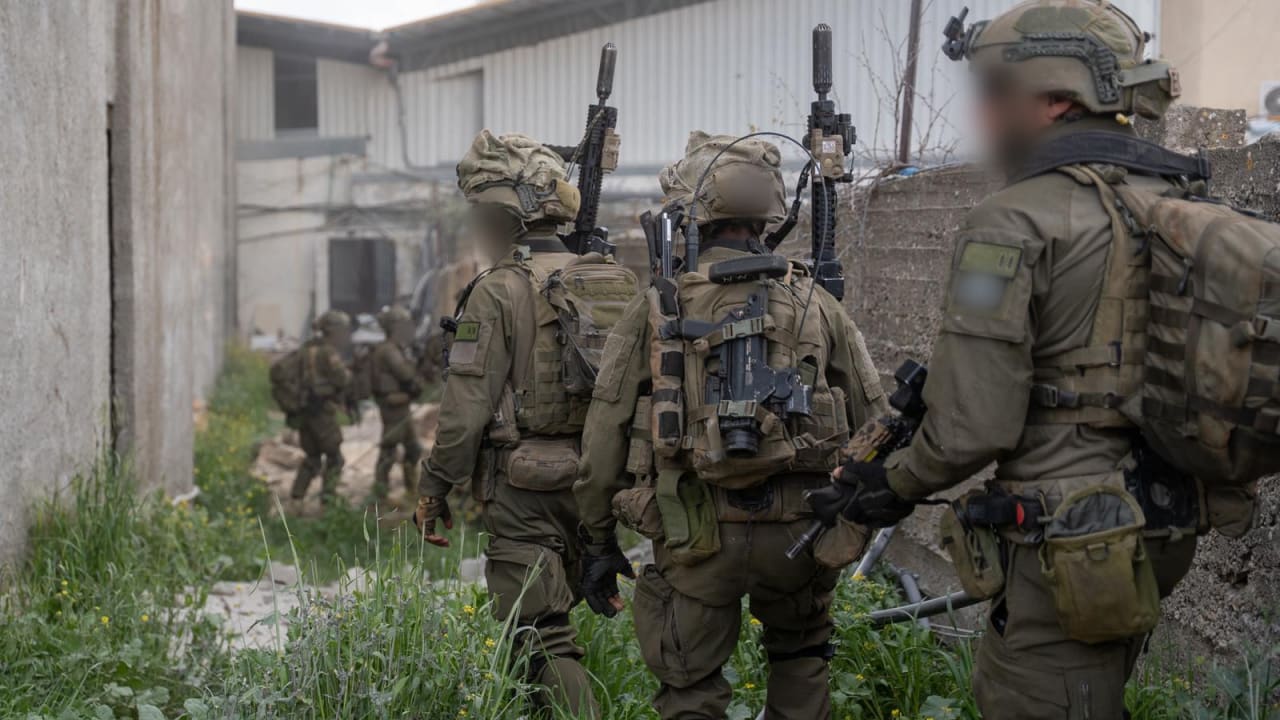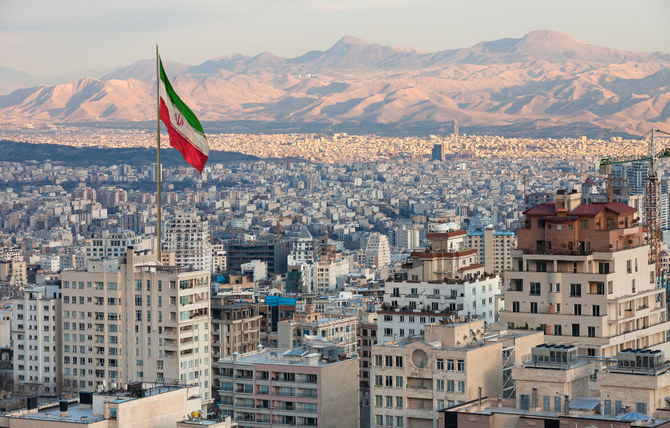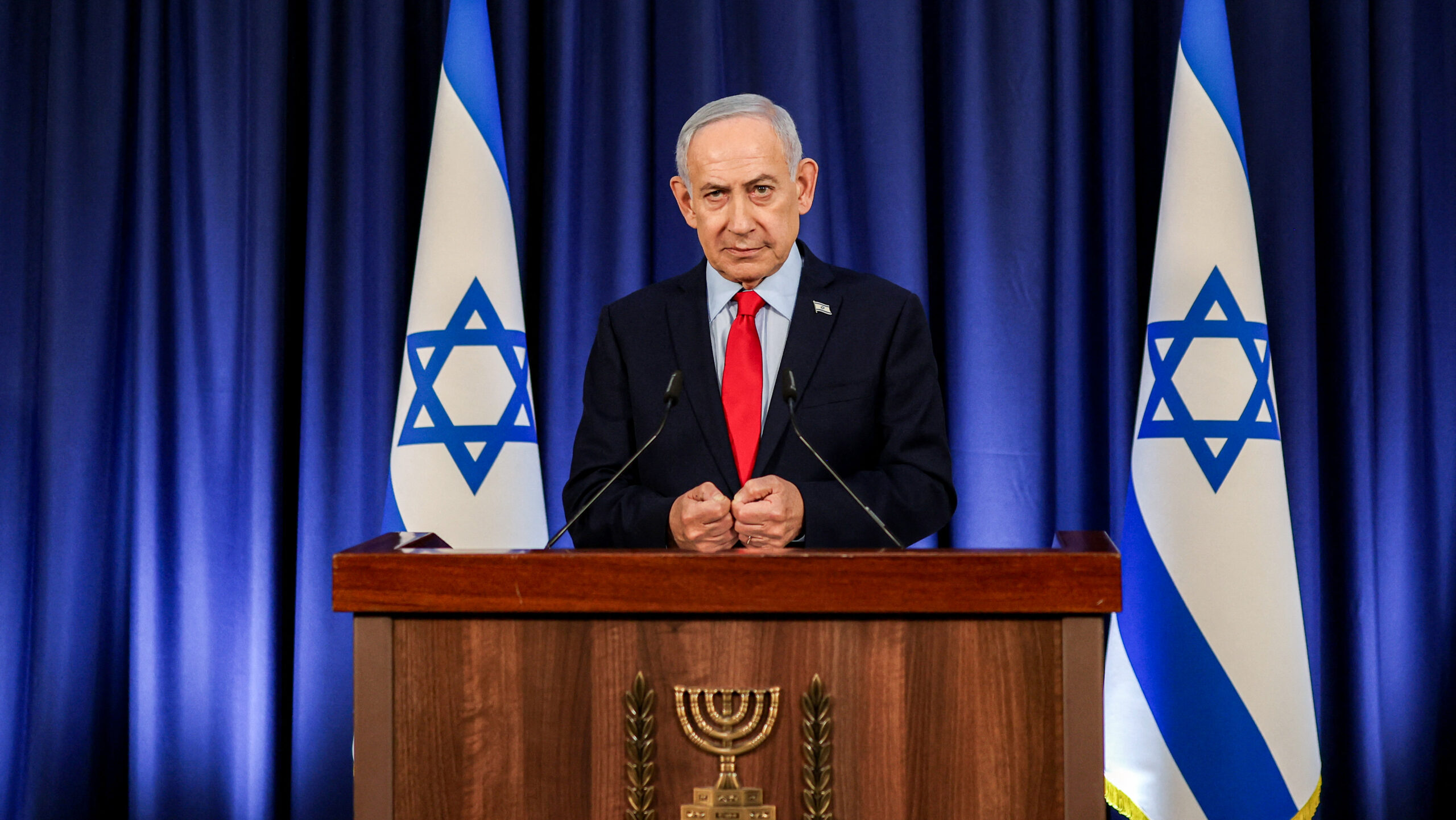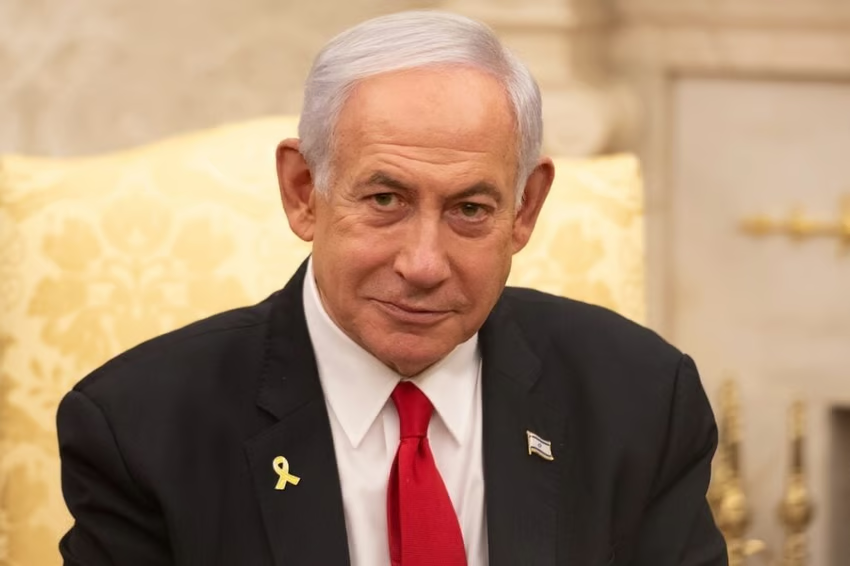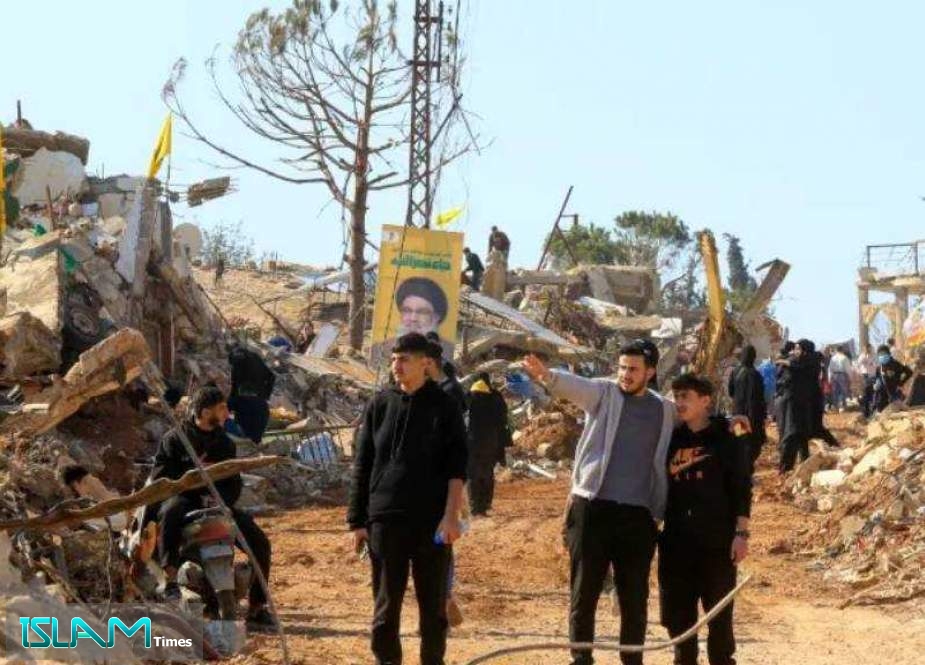
Israeli occupation forces continued attacks and violations in southern Lebanon from the early hours of Monday, shortly after a US–Iran ceasefire agreement was announced to cover war on all fronts, including Lebanon. The continuation of these military operations has raised concerns regarding the implementation and effectiveness of the recently declared ceasefire. Warplanes reportedly conducted two air raids targeting the town of Majdal Zoun, causing significant damage to infrastructure and residential areas. A drone strike also hit the town of Kfar Tebnit, further escalating tensions in the region. The aerial aggression was accompanied by heavy and sustained artillery shelling on the city of Nabatieh and the towns of Kfar Remman, Nabatieh al-Fawqa, and Kfar Tebnit. These shelling incidents have forced many residents to seek shelter and have disrupted daily life. Additional strikes by the IOF were reported in the towns of Khiam and Markaba in southern Lebanon, indicating a broad scope of military activity. A drone attack also occurred on the town of Haris, located in the Bint Jbeil district of the Nabatieh Governorate, adding to the pattern of targeted assaults. These continued actions by Israeli forces have been met with strong condemnation from local authorities and international observers, who emphasize the importance of adhering to the ceasefire agreement.
Hezbollah's Response and Stance
The Islamic resistance in Lebanon, Hezbollah, continues to confront the "Israeli" occupation and respond to its ongoing aggression against Lebanon and its people, according to claims made by the group. Hezbollah stated its intention to maintain its actions against Israeli forces in light of the continued military operations, asserting its right to self-defense. The group's position emphasized its role in confronting what it describes as "Israeli" occupation, indicating a sustained defensive posture and a readiness to respond to any further incursions. This stance comes amidst reports of ongoing Israeli military activities in southern Lebanon, including air raids and artillery shelling following a recently announced ceasefire agreement. Hezbollah's statements suggest a continued commitment to its operational narrative in response to perceived threats and attacks on Lebanese territory and its population. The group has historically viewed such actions as a violation of Lebanese sovereignty, necessitating a strong response to protect its borders and communities.
Safety Warnings for Returning Residents
The Civil Defense of the Islamic Health Authority extended congratulations to the Lebanese public on what it described as their victory and return to their homes, attributing this outcome to the sacrifices of martyrs and resistance fighters. This message of triumph was tempered with key warnings for those contemplating return. However, the Islamic Health Authority also stressed the importance of prioritizing personal safety for returning residents, warning that risks might persist even after the cessation of aggression. This cautionary advice shows the potential dangers that remain in areas affected by conflict. The Authority appealed to residents, urging them not to return to their villages until the ceasefire announcement and its implementation are fully confirmed, noting the need for verifiable security before resettlement.
Further safety guidelines were issued by the Islamic Health Authority, which urged vigilance regarding unexploded ordnance or unfamiliar objects. It specifically warned against touching suspicious items that might pose a danger, emphasizing that these could be unexploded munitions or booby traps. Residents were also advised against entering buildings that have suffered partial collapse until their structural safety can be properly confirmed by experts, as damaged structures pose a significant risk of further collapse.
The Islamic Health Authority emphasized checking gas and electricity systems for potential leaks or malfunctions before using any appliances, noting that infrastructure could be severely damaged. It called for careful cleaning of homes and properties, recommending the use of protective equipment such as masks and gloves during this process to avoid exposure to hazardous materials or dust. Residents were advised to verify the safety of both drinking and utility water sources, as water systems may have been contaminated or compromised. Additionally, the Authority urged constant supervision of children to prevent them from approaching rubble or unfamiliar objects that could be hazardous, as children are particularly vulnerable to such dangers. When medical assistance is needed, the Islamic Health Authority called on residents to contact ambulance and emergency teams promptly, providing specific instructions for accessing urgent care.
Context of Escalation
The ongoing military activities in southern Lebanon follow a recently announced ceasefire agreement, which aimed to bring an end to hostilities across all fronts. Despite the agreement, Israeli occupation forces continued air raids and artillery shelling, casting doubt on the immediate effectiveness of the ceasefire. These operations have impacted areas including Majdal Zoun, Kfar Tebnit, Nabatieh, Kfar Remman, Nabatieh al-Fawqa, Khiam, Markaba, and Haris in the Bint Jbeil district of the Nabatieh Governorate, indicating a widespread pattern of military action. The Islamic resistance in Lebanon, Hezbollah, has stated its intention to maintain actions against Israeli forces in response to what it describes as ongoing aggression, signaling a continued state of alert and potential for further confrontation. Meanwhile, the Islamic Health Authority has issued safety warnings for residents returning to southern Lebanon, advising caution regarding unexploded ordnance, structural integrity of damaged buildings, and the general hazards that persist in post-conflict zones. The situation remains fluid, with ongoing military actions complicating efforts to restore stability and ensure the safety of the civilian population.