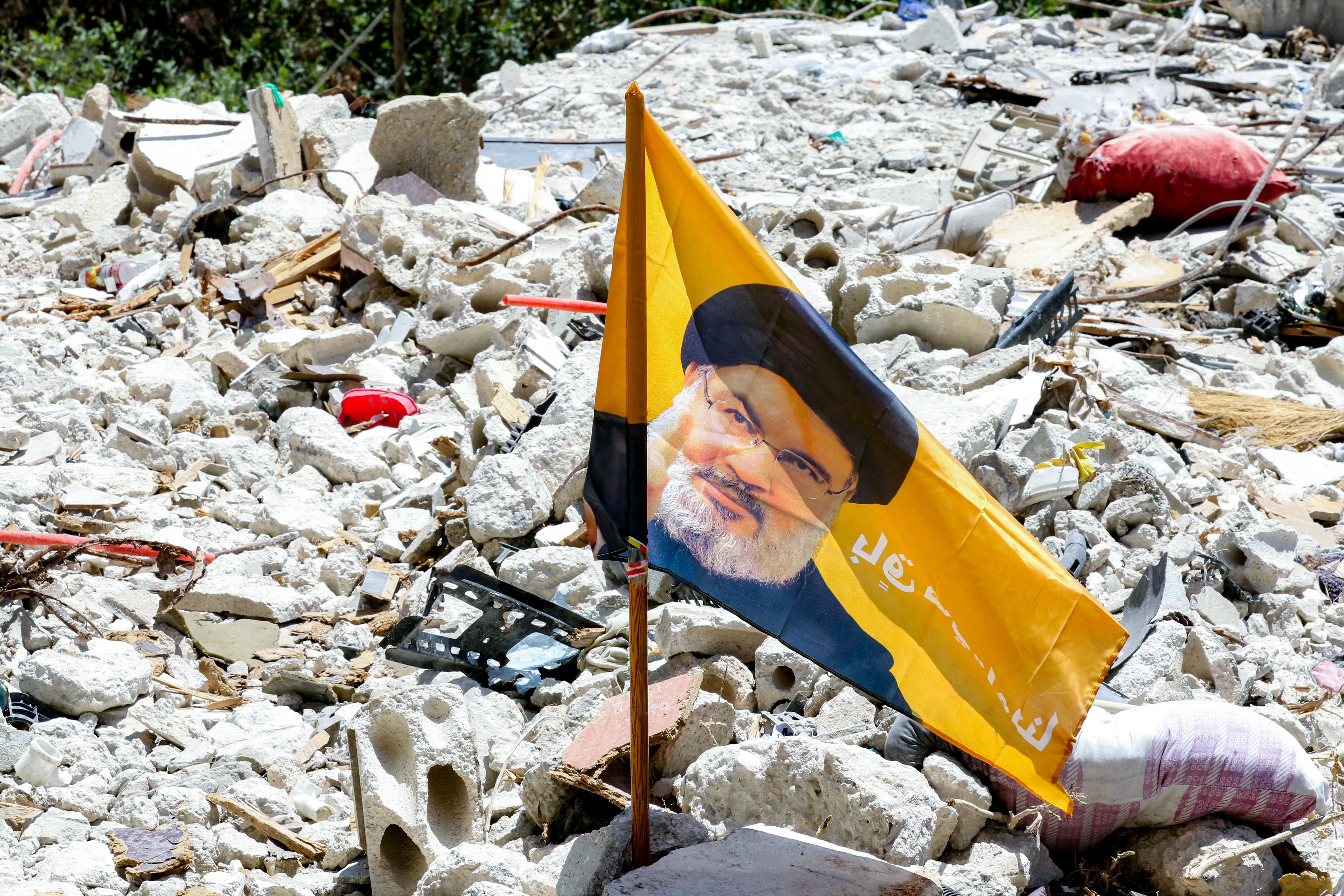
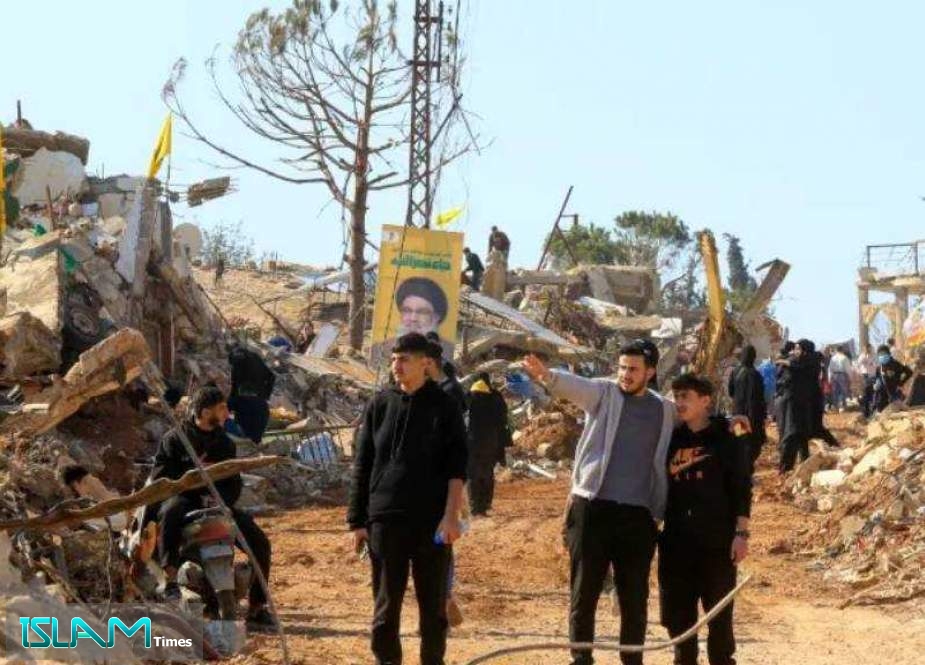
In late 2024, residents began returning to areas across Lebanon that had been reduced to rubble following another devastating war between Israel and Hezbollah. Scenes of returning residents were witnessed across the nation, marking the tentative first steps towards recovery. Large swathes of the country, particularly Shia villages, showed extensive damage from the recent conflict, with entire neighborhoods and vital infrastructure bearing the scars of intense hostilities. The return of displaced populations marks the initial phase of recovery efforts as communities assess the profound and widespread impact of the recent hostilities, grappling with the scale of destruction that has left much of their homeland in ruins.
Scenes of Return and Resilience
The highway leading south from Beirut teemed with traffic, a poignant visual of a population eager to reclaim their lives. Cars carrying families displaced by the war returned home, many laden with belongings, including mattresses piled high on their roofs, a common sight illustrating the urgency and necessity of their return. Vans, similarly packed, joined the flow, symbolizing the collective effort to rebuild shattered lives and communities. The journey back was often to places irrevocably altered by the conflict. In the historic city of Nabatieh, the central market, a vibrant hub of commerce and culture for generations, appears to have been flattened by Israel’s airstrikes. The destruction in Nabatieh is not an isolated incident; it reflects extensive damage to infrastructure and historical sites across the region, erasing landmarks and the fabric of community life. The impact of Israel’s airstrikes in Nabatieh has rendered the historic central market as if it had been flattened by an earthquake, a stark visual of the widespread devastation.
Along the border, the situation remains particularly precarious. Israeli soldiers continue to occupy Shia villages, razing many of them completely to the ground. These tactics mirror those carried out in Gaza, leaving communities devastated and virtually uninhabitable, stripped of their homes and history. The ongoing presence and destructive actions by Israeli forces present significant and immediate challenges to the return and rebuilding efforts in these border communities. Displaced residents face not only the profound loss of their homes and livelihoods but also the lingering instability created by the continued military presence and the constant threat of further conflict. The act of razing entire villages leaves little hope for immediate return, forcing families to confront a future of displacement and uncertainty.
The War's Devastating Toll
Since the conflict began, a staggering approximately 3,800 people have been killed in Lebanon, a grim testament to the intensity and destructive power of the hostilities. During the 2024 conflict alone, Israel conducted what it described as "targeted" strikes in southern Lebanon, which resulted in the deaths of at least 400 individuals. Among the victims of the 2024 conflict were around 50 women and children, noting the devastating impact on non-combatants and the most vulnerable segments of the population. The continued carrying out of these "targeted" strikes in southern Lebanon by Israel has drawn international scrutiny regarding the proportionality and precision of military actions in densely populated areas.
Beyond direct casualties, there are grave allegations concerning the conduct of the war. Reports indicate that paramedics, identifiable by their uniforms and vehicles, have been repeatedly targeted by Israeli “double tap” and even “triple tap” strikes. These attacks, which involve a second or third strike after initial responders arrive at a scene, are described by human rights groups as clear war crimes, raising serious questions about adherence to international humanitarian law. Human rights groups have explicitly stated that these attacks on paramedics, who are clearly identifiable by their uniforms and vehicles, constitute clear war crimes under international law, emphasizing the deliberate targeting of non-combatants and aid workers. In response to these grave allegations, Israel has maintained that its actions are necessary for security, accusing ambulances of transporting weapons and fighters, though specific evidence supporting these claims has often been disputed by international observers.
Geopolitical Undercurrents and Future Tensions
An agreement reached between the United States and Iran has instilled a cautious sense of relief across Lebanon, culminating in a ceasefire between Israel and Hezbollah. This diplomatic breakthrough offered a momentary respite from the relentless violence, though the underlying tensions remain palpable. Despite the ceasefire, Israel now controls significantly more territory in southern Lebanon than it did prior to the recent hostilities, a strategic shift that has profound implications for the region's geopolitical landscape and future stability.
Allegations have emerged that Israeli troops killed several individuals in a series of strikes, amidst claims from Israel that Hezbollah had fired upon them. These incidents show the fragile nature of the ceasefire and the persistent cycle of accusation and retaliation. In 2024, Israel stated its actions were aimed at preventing Hezbollah from rearming in the region, asserting a need to neutralize perceived threats. Hezbollah, for its part, did not launch retaliatory strikes until February, a delay that suggests a calculated response, when Israel, in conjunction with the United States, began attacking the group's sponsor, Iran. This escalation against Iran marked a significant widening of the conflict, drawing in major regional and international powers and further complicating the already volatile situation in the Middle East. The interconnectedness of these conflicts means that peace in Lebanon often hinges on broader regional dynamics, leaving its future perpetually tied to the ebb and flow of geopolitical power struggles. The cautious relief brought by the ceasefire is thus tempered by the understanding that the foundations for lasting peace remain deeply unstable. The broader implications of this regional conflict, particularly the involvement of the United States alongside Israel in attacking Iran, have raised concerns among international observers about the potential for wider destabilization across the Middle East.