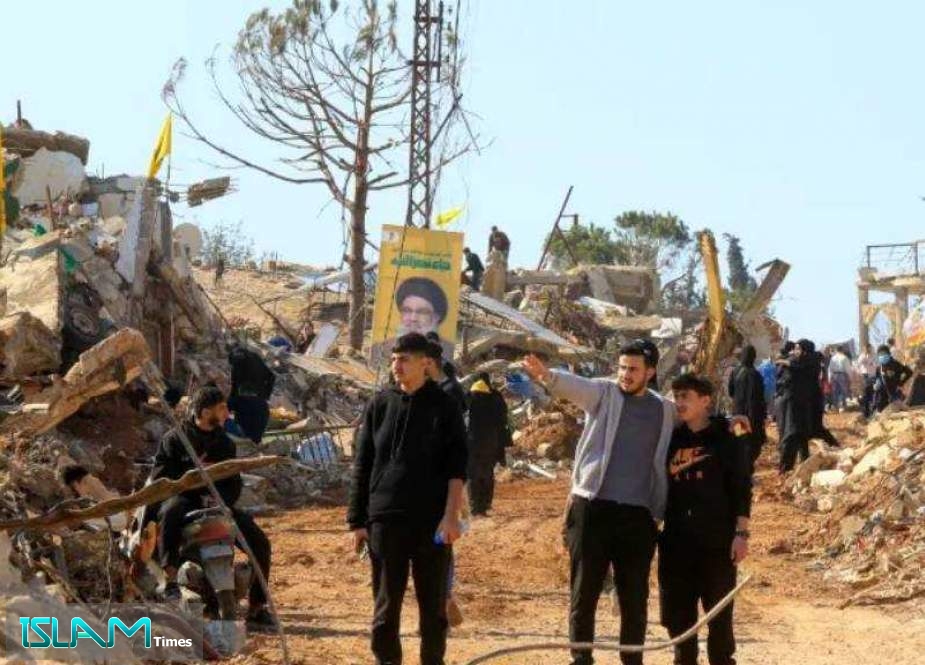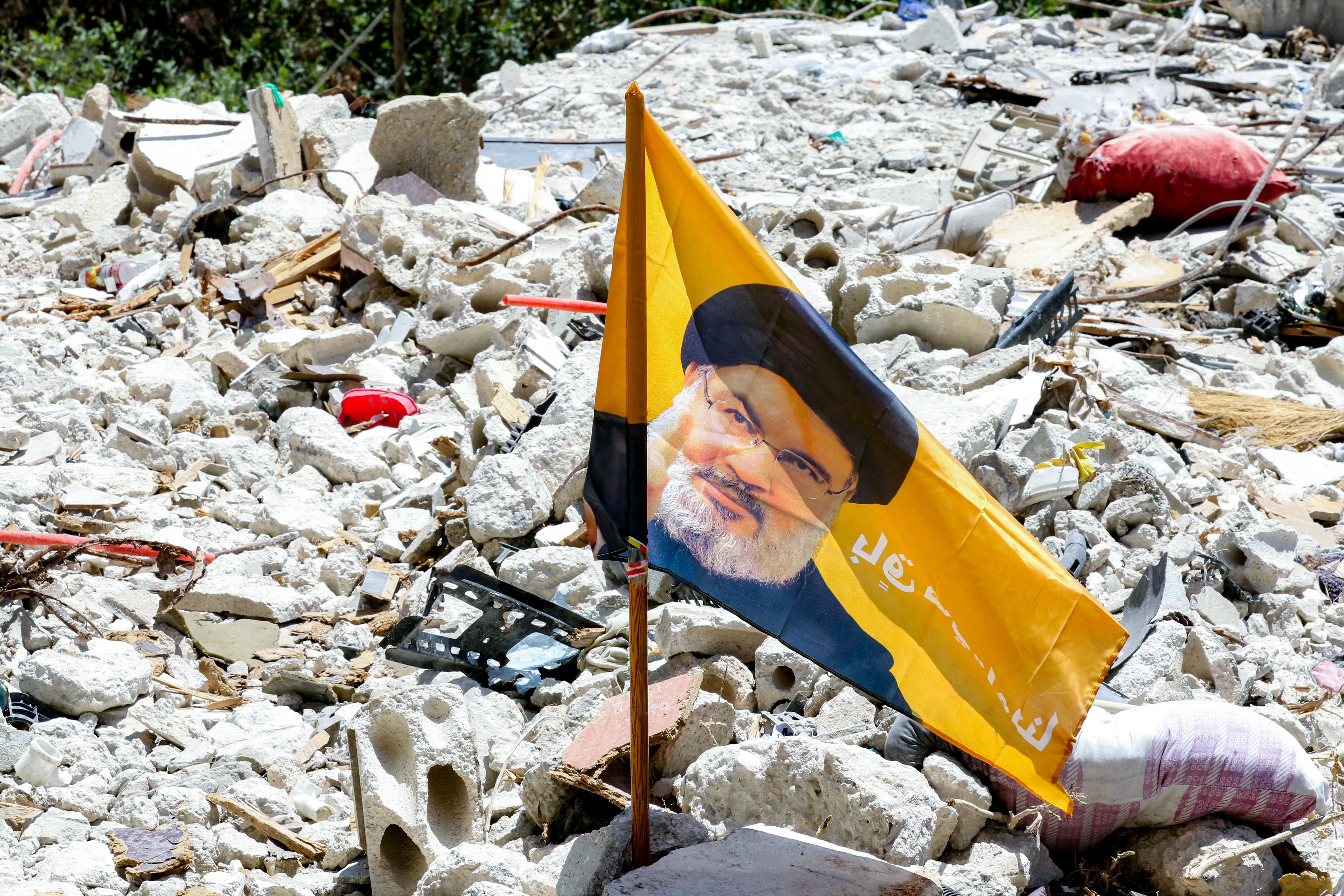
Donald Trump criticized Israel's military actions in Lebanon, specifically the targeting of entire apartment buildings in its pursuit of Hezbollah fighters. He specifically voiced concerns over the destruction of civilian infrastructure, emphasizing the potential for widespread harm to non-combatants. "You don't have to knock down an apartment house every time you're looking for somebody, because there are a lot of people in those apartment houses, and they're not all Hezbollah," Trump stated. His remarks showed a rare public critique from a former U.S. President known for his strong pro-Israel stance. He also asserted the United States' key role in Israel's existence, saying, "Without us, without the United States, there would be no Israel. Without me, there would be no Israel, because no other president was willing to do what I did."
Rare Rebuke of Ally
Donald Trump declared it was "unnecessary" to destroy residential blocks in Lebanon to hunt individuals. He elaborated on his view, suggesting that such extensive damage was disproportionate to the military objectives and carried severe consequences for the civilian population. Trump also claimed to have a "great relationship" with Israeli Prime Minister Benjamin Netanyahu. However, he added that Netanyahu should be "more responsible" in actions concerning Lebanon, indicating a desire for a more restrained approach to military operations in the neighboring country. A spokesperson for the Israeli embassy in Washington declined to comment on Trump's statements, maintaining official silence on the former president's critique.
Context and International Pressure
Donald Trump suggested that Israeli attacks in Beirut could jeopardize his peace deal with Iran. The former U.S. President has frequently cited his administration's foreign policy achievements, including the Abraham Accords, as evidence of his diplomatic capabilities and commitment to regional stability. He implied that the current Israeli approach risked undermining the delicate balance he sought to establish.
Israel has faced mounting international condemnation for its war on Gaza. The conflict has resulted in the deaths of at least 73,000 Palestinians and injured hundreds of thousands more. Almost the entire population of over 2 million people in Gaza has been displaced due to the ongoing hostilities. This widespread displacement and loss of life have drawn significant criticism from global bodies and numerous countries, amplifying calls for a ceasefire and greater protection of civilians. Trump's comments add a new layer to this international scrutiny, coming from a prominent American political figure.
White House Stance
Donald Trump made his remarks regarding Israeli military actions in Lebanon while speaking at the G7 summit in France, a high-profile international forum. The setting of his comments lent additional weight to his criticism, drawing global attention to his views on the conflict. The White House later posted a video of Mr. Trump's specific comments on social media, ensuring his message reached a wider audience and became part of the public discourse. A White House official affirmed the strong relationship between Mr. Trump and Mr. Netanyahu, describing the Israeli military as "incredible partners." The official stated, "There has been no greater friend to Israel and a fighter for peace than president Trump. Americans and our allies around the world are already safer for the United States and Israel’s bold actions to deny the Iranian regime the ability to develop a nuclear weapon." This statement aimed to balance Trump's critique with an affirmation of his overall support for Israel.
Broader Implications
Donald Trump asserted that Israel had been fighting the Lebanese group for "too long," claiming that "too many people have been killed." The former U.S. President also suggested that the conflict had continued for an excessive period, implying that current strategies were not yielding a definitive resolution. His remarks came amidst ongoing military actions and heightened tensions in the region, adding a significant voice to the debate surrounding the duration and methods of the conflict. His public questioning of Israel's tactics, particularly regarding civilian casualties, marks a notable shift from his typical unwavering support for the nation.