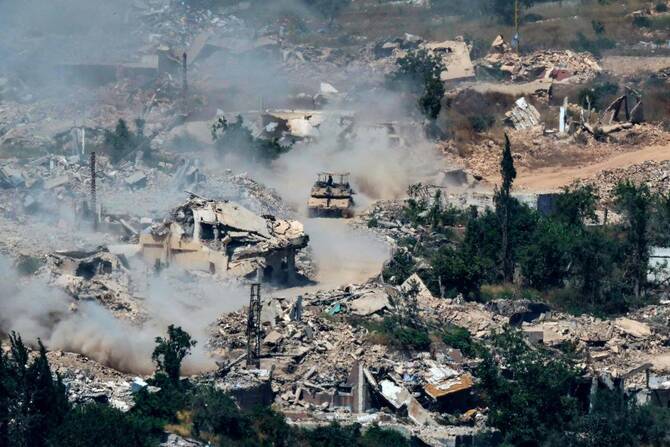
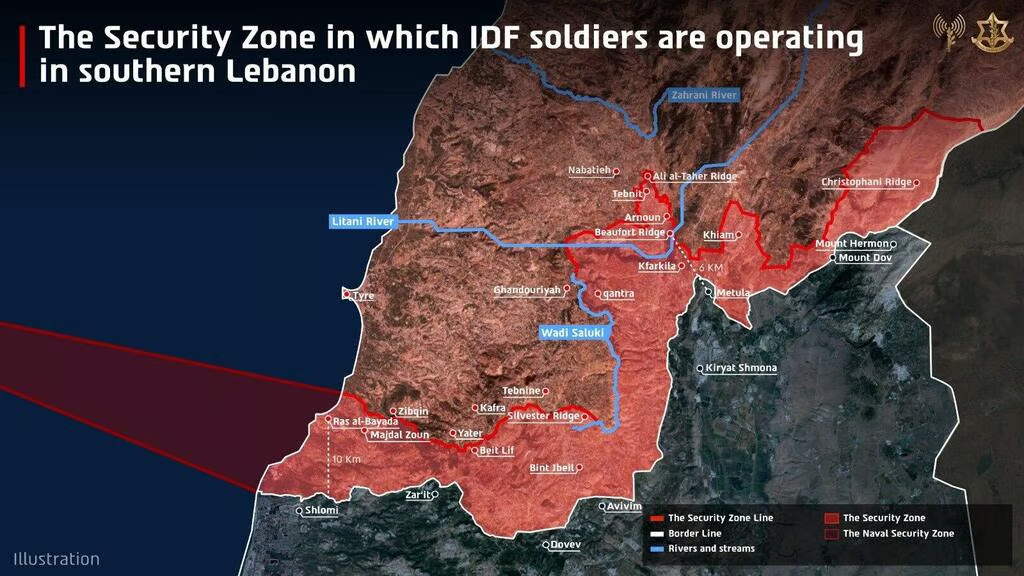
Israel is negotiating with the United States to maintain its military deployment in southern Lebanon, a move that has significant regional implications. These key discussions follow the signing of an interim pact between the U.S. And Iran, an agreement finalized just a day prior to the Israeli requests for continued American backing. The negotiations specifically concern Israel's desire to continue its troop presence in the sensitive border region. This ongoing dialogue shows the complex interplay of diplomatic efforts and military strategy in the Middle East.
Israeli Troop Presence Goals
Israel expanded its invasion of southern Lebanon after the Lebanese terror group Hezbollah initiated hostilities by opening fire at Israel on March 2. The subsequent air and ground campaign, launched by Israeli forces, aims to root out Hezbollah, according to official statements from Israel. Israeli officials have consistently described the territory seized in Lebanon, alongside areas in Gaza and Syria, as key “buffer zones” positioned between the country and its perceived enemies. Prime Minister Benjamin Netanyahu has firmly rejected calls for Israel to withdraw from these strategically important territories, emphasizing the nation's security imperatives. This stance notes Israel's determination to control these areas for defensive purposes.
U.S.-Iran Pact Details
The interim pact between the United States and Iran includes specific provisions addressing Lebanon's status, adding a new layer of complexity to the regional dynamics. The agreement explicitly calls for all parties involved to ensure "the territorial integrity and sovereignty of Lebanon." This stipulation comes at a critical juncture as Israel seeks U.S. Support for its ongoing military presence in southern Lebanon, a move that would directly impact Lebanon's territorial control and sovereignty. The pact's emphasis on Lebanese sovereignty introduces a new and potentially challenging element into the discussions between Washington and Jerusalem regarding Israeli troop deployments. This aspect of the agreement could influence the United States' willingness to support Israel's requests for an extended military presence. The implications of this clause are being closely watched by regional and international observers.
Negotiation Dynamics
Two Israeli officials informed Reuters about the ongoing talks on Thursday, providing insight into the high-stakes diplomatic exchanges. One of these officials is a senior figure closely associated with Prime Minister Benjamin Netanyahu, indicating the importance Israel places on these discussions. These officials conveyed details of the discussions concerning Israel's military posture in southern Lebanon, particularly in light of the recently signed interim pact between the United States and Iran. The unnamed sources provided this information to Reuters on condition of anonymity, reflecting the sensitivity and confidential nature of the diplomatic exchanges. The discussions are primarily centered on Israel's request for U.S. Backing for its continued troop presence in the region, which directly impacts the territorial integrity of Lebanon as referenced in the U.S.-Iran agreement. This situation creates a delicate balance for the United States, which must weigh its strategic alliance with Israel against the commitments made in its pact with Iran.
Official Statements
Israel has unequivocally stated that it would not back down on its positions, which include maintaining troops deployed in the area south of Lebanon’s Litani River. The country's stance on its military presence remains firm and unwavering, despite recent diplomatic developments and the specific clauses of the U.S.-Iran pact. This resolute position shows Israel's commitment to what it views as essential security measures. The continued deployment of troops in this strategic area is considered vital for Israel's defense strategy.