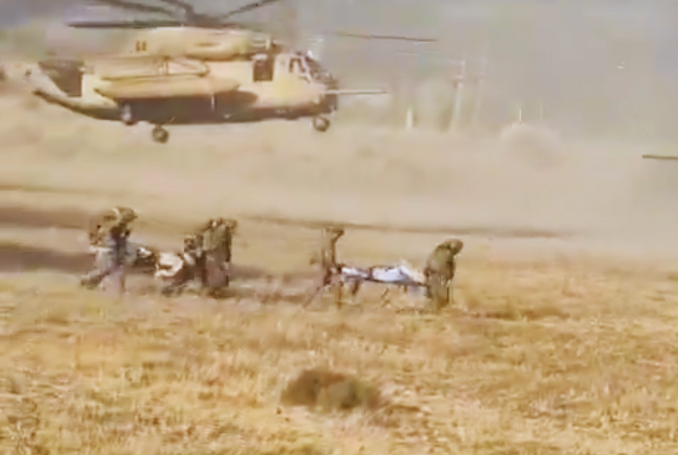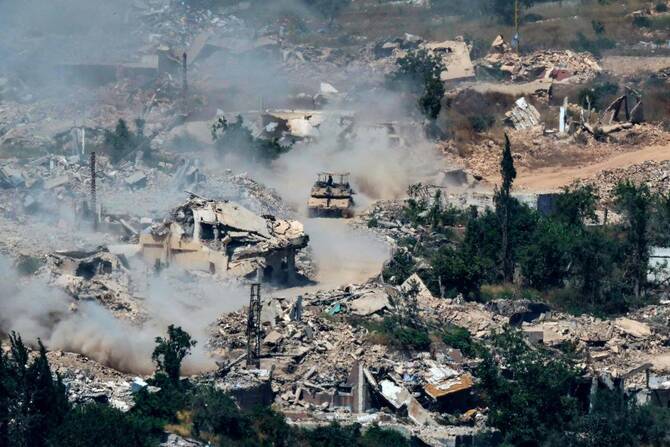
The Israeli military announced on Thursday that one of its soldiers was killed in fighting in southern Lebanon on June 17, 2026. The incident also resulted in injuries to seven other soldiers during the engagement. This latest casualty shows the ongoing intensity of cross-border clashes in the region, which have escalated significantly in recent months. The military's statement, issued shortly after the engagement, confirmed the profound impact of the hostilities on its personnel.
Details of Casualties
Master Sergeant Alexander Filin, 29, died in the combat engagement. The Israeli military confirmed his death without providing further details on the specific circumstances of the fatal incident, though it was part of active operations in southern Lebanon. His death marks a somber moment for the Israeli forces involved in the protracted conflict. Among the seven injured soldiers, an officer, a reserve officer, and a reserve soldier sustained moderate injuries during the fighting. These injuries, while not life-threatening, often require significant medical attention and recovery periods, noting the physical toll of the combat. Additionally, a combat non-commissioned officer, two reserve soldiers, and a female reserve soldier were reported to have received light injuries. Light injuries typically involve less severe trauma, allowing for quicker recovery, but still indicate direct exposure to hazardous combat conditions. The military did not specify the units or exact locations of the injured personnel beyond stating the incident occurred in southern Lebanon, maintaining operational security. The injured soldiers were promptly evacuated for medical treatment following the engagement.
Broader Conflict Context
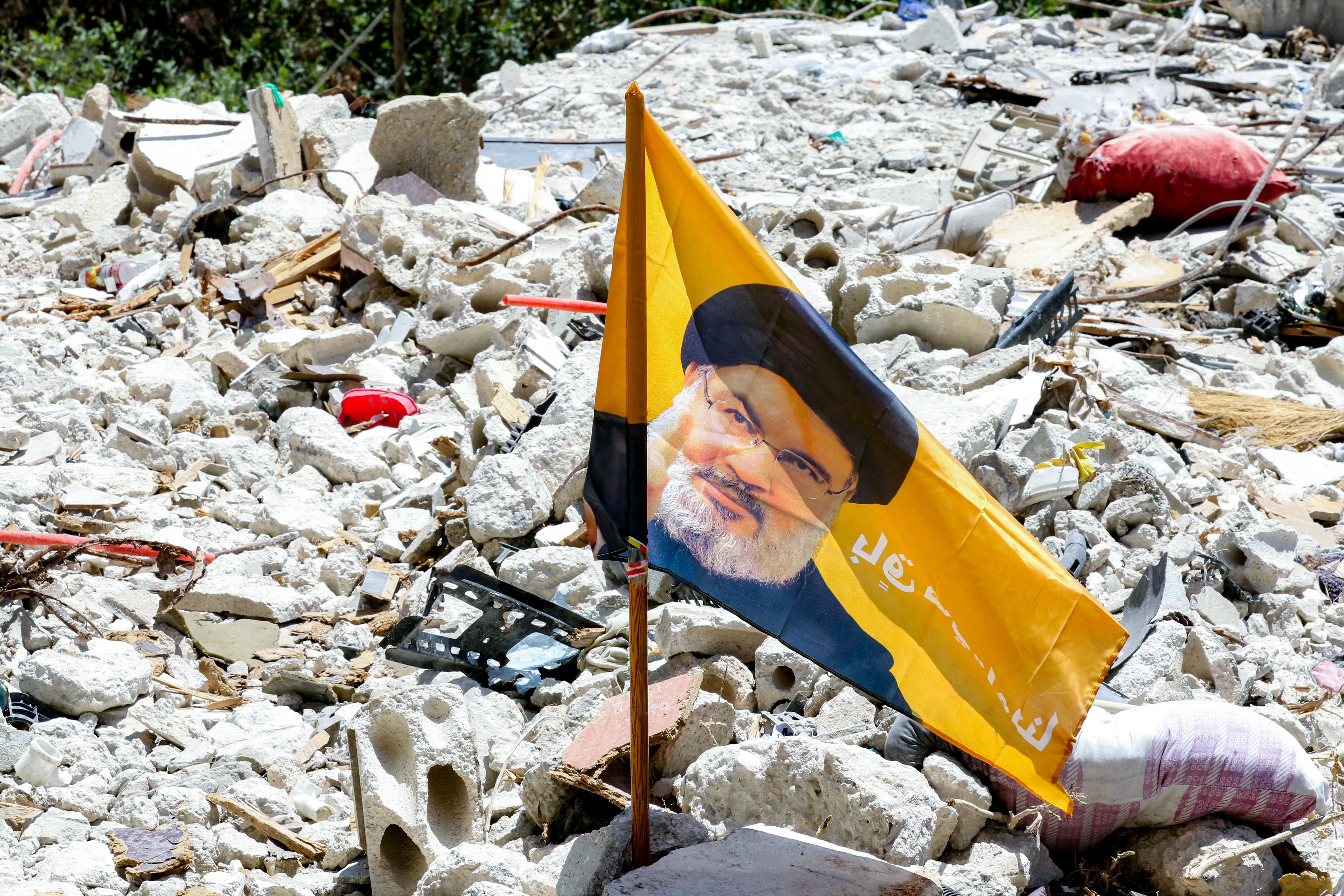
Lebanon became involved in the broader conflict after the Tehran-backed Hezbollah group launched rockets at Israel on March 2. These attacks were stated to be in support of Iran, marking a significant expansion of the regional hostilities. The initiation of these cross-border attacks by Hezbollah drew Lebanon directly into a conflict that has since seen continuous and often intense exchanges. Since that date, Lebanon has reported that Israel's continuous campaign of airstrikes and ground invasion has resulted in the deaths of more than 3,800 people. These figures, provided by Lebanese authorities, include both combatants and civilians, painting a grim picture of the human cost of the conflict within Lebanese territory. The scale of destruction and loss of life has been a major point of concern for international observers. On Israel's side, the conflict has led to the deaths of 31 soldiers and one civilian contractor since March 2. These casualties reflect the dangerous nature of the engagements, including both rocket attacks from Lebanon and ground operations. The cross-border exchanges have intensified regional tensions, creating a volatile security situation that has drawn international attention and concern.
Conflicting Peace Efforts
The United States and Iran signed a memorandum of understanding on Wednesday, aiming to bring an end to the broader Middle East conflict. The agreement stipulates a halt to fighting on all fronts, including in Lebanon, showing the international community's desire for de-escalation. The understanding seeks to establish a full framework for de-escalation across the region, addressing the multifaceted nature of the ongoing hostilities. Details of the memorandum emphasize a full cessation of hostilities, indicating an earnest effort to resolve the ongoing military engagements that have impacted multiple nations and destabilized the wider Middle East. This diplomatic development signals an attempt to reconcile the escalating conflict, which has seen significant casualties and cross-border exchanges, through political means. The joint effort by Washington and Tehran represents a key step towards potentially restoring stability in the volatile region, even as localized fighting, such as the incident on June 17, continues to show the fragility of the situation on the ground. The timing of this diplomatic breakthrough, amidst continued military action, notes the complex and often contradictory dynamics at play in the region.