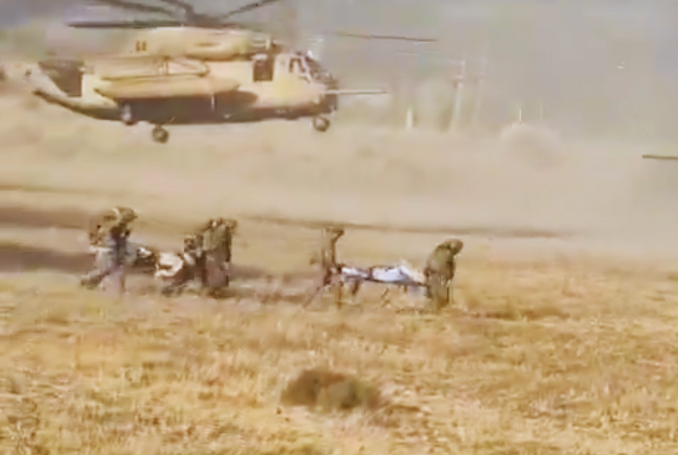
Master Sergeant (Res.) Alexander Filin, 29, a combat soldier from Haifa serving in the 36th Division command post, was killed in southern Lebanon. The incident, which also resulted in injuries to four other Israeli soldiers, occurred when a combat team was patrolling on foot in the Litani area. An explosive device was detonated against the patrol, leading to the casualties. A combat non-commissioned officer, two reserve soldiers, and a female reserve soldier sustained light injuries in the explosion. The tragic death of Master Sergeant (Res.) Filin marks a significant loss for the Israel Defense Forces (IDF) and the community of Haifa, where he resided. His service in the 36th Division command post showed his dedication to national security. The combat team was conducting a routine patrol when they encountered the explosive device, noting the persistent dangers faced by military personnel operating in the region.
Fatal Explosion in Litani Area
Master Sergeant (Res.) Alexander Filin, aged 29, from Haifa, a combat soldier in the 36th Division command post, died after an explosive device detonated in southern Lebanon. The incident, which resulted in his death, occurred around 5:00 p.m. On Wednesday afternoon in the Litani area. Filin was reportedly killed by the device, which exploded as a combat team was patrolling on foot. The patrol was specifically targeted by the explosive device, leading to immediate casualties. The detonation of the device was sudden and unexpected, causing fatal injuries to Master Sergeant (Res.) Filin. The circumstances surrounding the deployment of the explosive device are under investigation by military authorities. The location of the incident, the Litani area, is a known flashpoint in southern Lebanon, where Israeli forces conduct operations.
Multiple Soldiers Injured
In the same incident where Master Sergeant (Res.) Alexander Filin was killed, an Israel Defense Forces reserve officer and an additional reserve soldier sustained moderate injuries. Among those injured in the explosion was a colonel serving as deputy commander of the division. The combat non-commissioned officer, two reserve soldiers, and a female reserve soldier who were part of the patrol sustained light injuries. The immediate aftermath of the explosion saw medical teams providing first aid to the injured before their evacuation. The presence of a high-ranking officer, a colonel serving as deputy commander of the division, among the injured shows the severity of the incident and the direct involvement of leadership in frontline operations. The range of injuries, from moderate to light, indicates the varying degrees of exposure to the blast and shrapnel experienced by the soldiers present. All injured personnel received prompt medical attention following the attack.
Earlier Drone Attacks
On Wednesday morning, five combat soldiers were injured in back-to-back detonations of two Hezbollah explosive-laden drones. One soldier was in serious condition following the drone attack, while two others were in moderate condition, and two sustained light injuries. The first drone blast occurred around 6:00 a.m. When a drone detonated near a tank belonging to Givati Brigade combat team forces in the Tibnin area of southern Lebanon. Four soldiers were injured by shrapnel from this initial explosion. Several minutes later, a second explosive drone detonated on the evacuation vehicle, injuring another soldier. The coordinated nature of these drone attacks, occurring in rapid succession, points to a deliberate and sophisticated targeting strategy. The Givati Brigade combat team forces were actively engaged in their duties when they were struck by the first drone. The subsequent targeting of the evacuation vehicle by a second drone notes the intent to maximize casualties and hinder rescue efforts. The use of explosive-laden drones represents a significant threat to ground forces operating in the region, capable of causing substantial harm and disrupting military operations. The condition of the soldiers varied, with one being in serious condition, two in moderate condition, and two others sustaining light injuries, reflecting the indiscriminate nature of drone attacks.