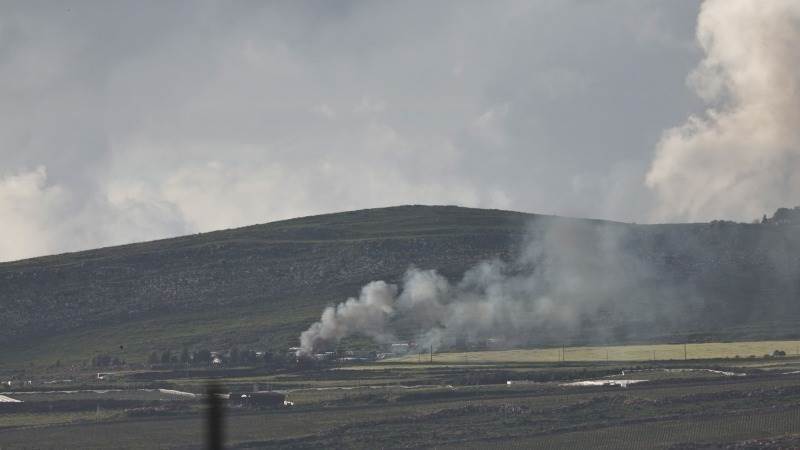
Israeli air raids and artillery fire killed at least 16 people in Lebanon's Nabatieh district overnight. The precision of these strikes, which utilized both aerial bombardments and ground-launched artillery, targeted several locations within the district, including the towns of Nabatieh, Harouf, Al-Sharqiya, Doueir, and Kfar Sir. The fatalities resulted from intense bombardments that occurred during the late hours of the night and extended into the early morning hours, catching many residents by surprise. The widespread nature of the attacks across multiple towns shows the severity of the recent escalation.
Casualties Mount Across District
The human toll of the overnight assaults quickly became apparent as rescue operations commenced. Eight people were confirmed dead following strikes in the towns of Nabatieh and Harouf, where residential areas bore the brunt of the attacks. Separately, four individuals were tragically killed in an attack that occurred in the area situated between Al-Sharqiya and Doueir, noting the indiscriminate nature of some of the bombardments. In Kfar Sir, a town also located within the Nabatieh district, three others lost their lives due to the intense bombardments, contributing significantly to the overall casualty count. Additionally, a specific drone attack near Doueir's municipality building resulted in one fatality and left another person injured, emphasizing the varied methods employed in the strikes. The cumulative impact of these separate incidents led to the confirmed death toll of at least 16 people.
Widespread Damage and Fear
Beyond the immediate loss of life, the Israeli strikes also hit numerous residential homes and neighborhoods across the Nabatieh district. These bombardments left some residents wounded, requiring urgent medical attention, while others remain unaccounted for amidst the debris, raising fears that the death toll could still rise. The attacks caused extensive destruction to properties in the targeted areas, with many buildings reduced to rubble or severely damaged, rendering them uninhabitable. This widespread destruction contributes significantly to a widespread sense of fear and insecurity among the local population, who now face the daunting task of rebuilding their lives and communities. Rescue efforts are reportedly underway to search for potential survivors trapped beneath collapsed structures and to recover bodies from the rubble of damaged buildings. The scale of the damage has prompted grave concerns about the long-term impact on the affected communities, including displacement and the disruption of essential services.
Broader Regional Context
The recent escalation in Lebanon's Nabatieh district occurs amid ongoing regional tensions that have periodically flared across the Middle East. Lebanon and its southern border regions, particularly areas like Nabatieh, have experienced intermittent hostilities, reflecting a volatile security situation. The conflict has drawn significant international attention, with diplomatic efforts frequently focused on achieving de-escalation and preventing a wider regional conflagration. Switzerland, among other nations, has frequently engaged in humanitarian and diplomatic initiatives across the broader Middle East, working to mitigate the impact of conflicts on civilian populations. These efforts typically aim to address pressing humanitarian crises, provide aid to affected communities, and promote stability in areas grappling with ongoing conflict. Iran is also a significant regional actor, often cited in discussions concerning the dynamics of the broader Middle East and its complex geopolitical landscape. The current situation in Nabatieh reflects the intricate and often fragile geopolitical landscape of the region, where localized incidents can quickly escalate and draw in broader international concern.