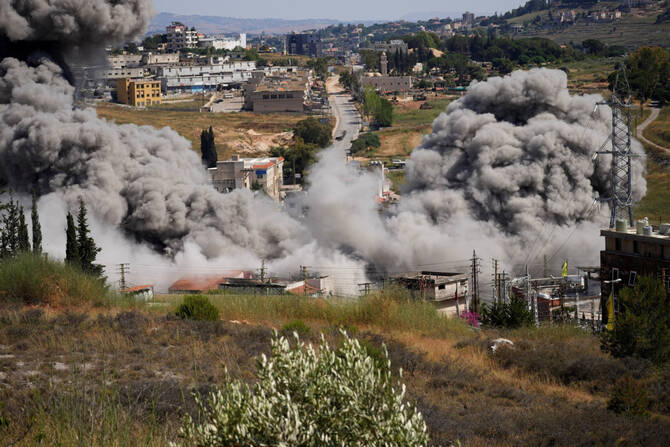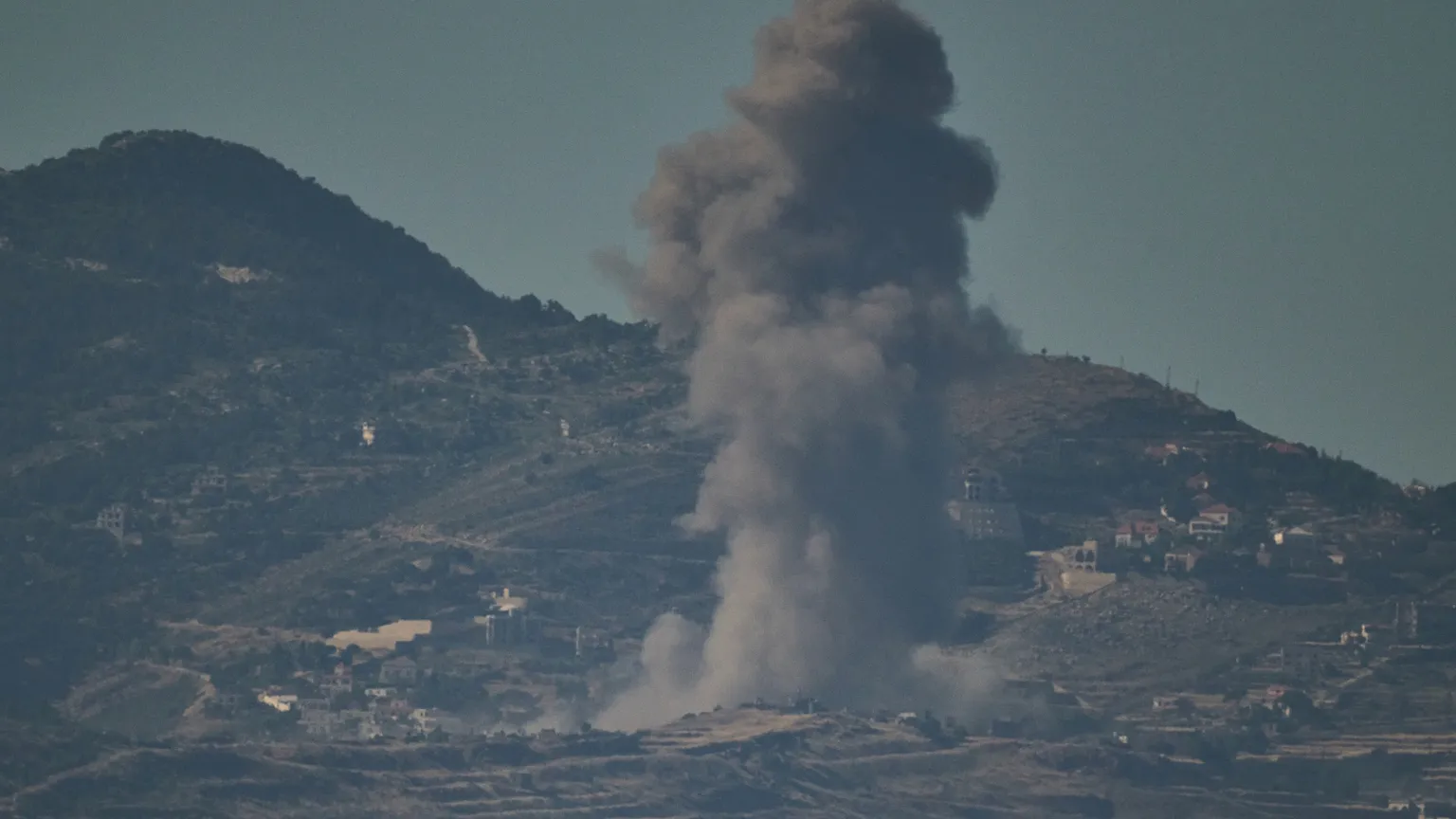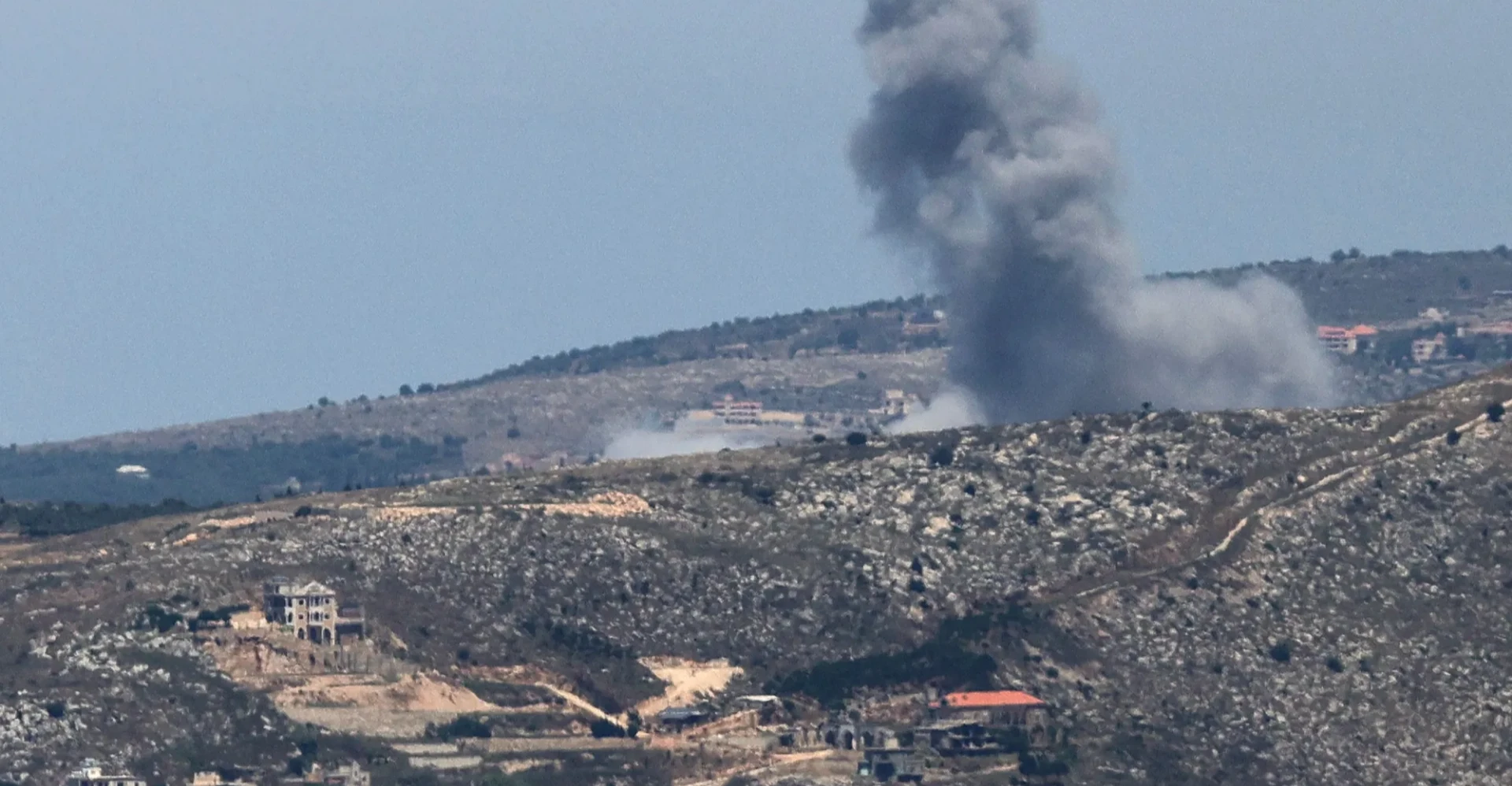
Israeli gunfire in the town of Nabatieh al-Fawqa in southern Lebanon tragically killed two people and wounded another on Tuesday, Lebanon’s Civil Defense announced. Lebanon’s National News Agency (NNA) reported that two young men were killed after Israeli forces opened fire on four young men who were near a bulldozer clearing a road in the al-Deir neighborhood of Nabatieh al-Fawqa. The incident in Nabatieh al-Fawqa, a town located in southern Lebanon, quickly drew condemnation and raised concerns about escalating tensions along the border. Following the incident, Hezbollah issued a warning, stating that the Israeli military's actions represented “a violation of the ceasefire that the resistance has adhered to until now.” This statement from Hezbollah showed the group's firm stance against perceived Israeli incursions and actions within Lebanese territory.
Escalating Border Incidents
The incident in Nabatieh al-Fawqa was not an isolated event, as other reports detailed further Israeli military activity in the border region. Israeli troops fired toward residents on the outskirts of the town of Hadatha in Bint Jbeil district as they headed to a local cemetery to complete burial procedures. The residents were under the escort of the Lebanese Army at the time of the incident, noting the presence of official Lebanese security forces in the area during these tense encounters. During this event, three Merkava tanks and a D9 bulldozer were positioned near the cemetery, indicating a significant Israeli military presence. This deployment of heavy machinery and armor near a civilian area further exacerbated the volatile situation.
Separately, an Israeli drone dropped a stun grenade on the outskirts of the town of Aita al-Jabal. This type of device, while not lethal, is designed to disorient and create a loud blast, contributing to an atmosphere of fear and intimidation. Another drone reportedly dropped a similar device on an empty vehicle in the eastern neighborhood of the town of Baraachit, demonstrating a pattern of drone activity in the area. These drone operations add another layer to the ongoing border incidents, involving both direct fire and less-lethal methods.
The Israeli military, in response to these events, stated it had targeted armed individuals detected near its forces operating in the Ali al-Taher area of southern Lebanon. This claim from the Israeli side suggests their actions were in response to perceived threats. Israeli Channel 14 quoted a military source as saying that the army carried out a strike in the Kfartebnit area to “remove a threat,” further framing their operations as defensive measures against hostile elements. The differing accounts from both sides highlight the contested nature of the incidents and the difficulty in establishing a clear narrative amidst ongoing conflict.
Hezbollah's Firm Stance
Hezbollah rejected any form of Israeli "freedom of action" in Lebanon, renewing its call for the complete withdrawal of Israeli forces from the south. This strong declaration from the Lebanese resistance group reiterated its commitment to protecting Lebanese sovereignty. The group's statement followed recent border incidents and asserted its adherence to a ceasefire, while simultaneously warning against Israeli violations of that ceasefire. Hezbollah's position shows its role as a key actor in the region, with significant influence over the dynamics along the Lebanon-Israel border.
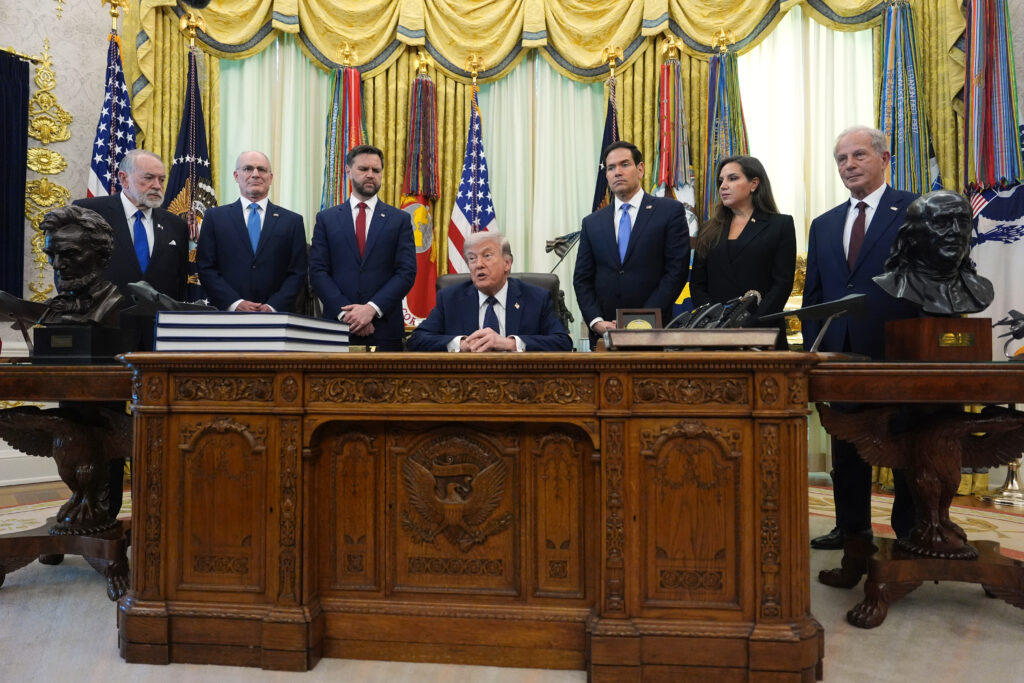
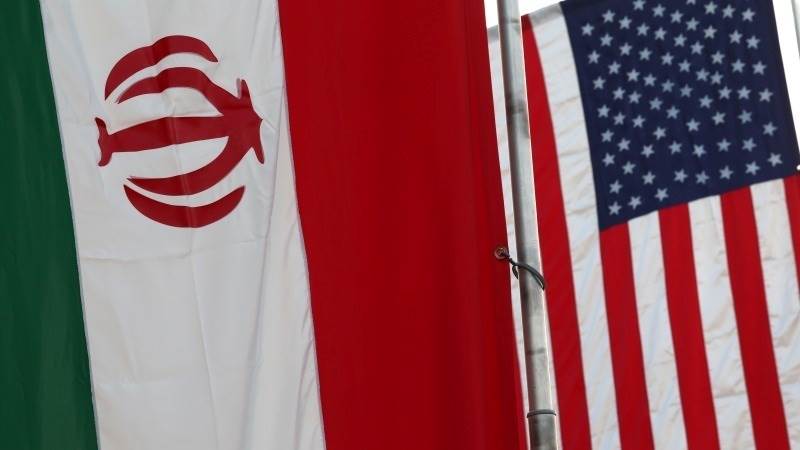
Separately, Iranian Parliament Speaker Mohammad Bagher Ghalibaf announced on Monday the establishment of a coordination center. This center aims to facilitate the return of displaced Lebanese residents to their homes and oversee the withdrawal of Israeli forces from Lebanon. Ghalibaf's announcement shows a broader regional effort concerning the situation in southern Lebanon, indicating international interest and involvement in resolving the displacement and military presence issues. The establishment of such a center suggests a diplomatic and logistical approach to addressing the humanitarian and security challenges in the area.
Broader Conflict Toll
Lebanon's Health Ministry reported that the overall toll from Israeli operations since March 2 stands at 4,192 killed and 12,171 wounded. These figures paint a grim picture of the human cost of the ongoing conflict and military operations in southern Lebanon. The significant number of casualties shows the severe impact on the civilian population and infrastructure. On the Israeli side, the Israeli army has recorded 30 soldiers killed and dozens wounded over the same period, indicating that the conflict has also resulted in military losses for Israel. The continuous reporting of these tolls notes the persistent violence and the heavy price paid by both sides in this protracted border dispute.