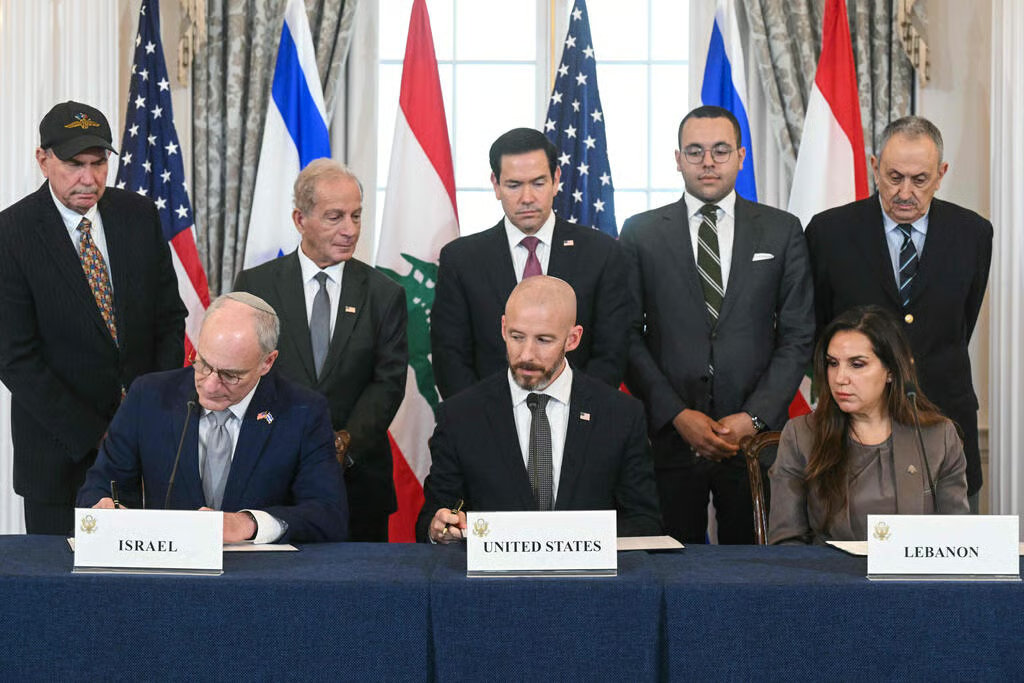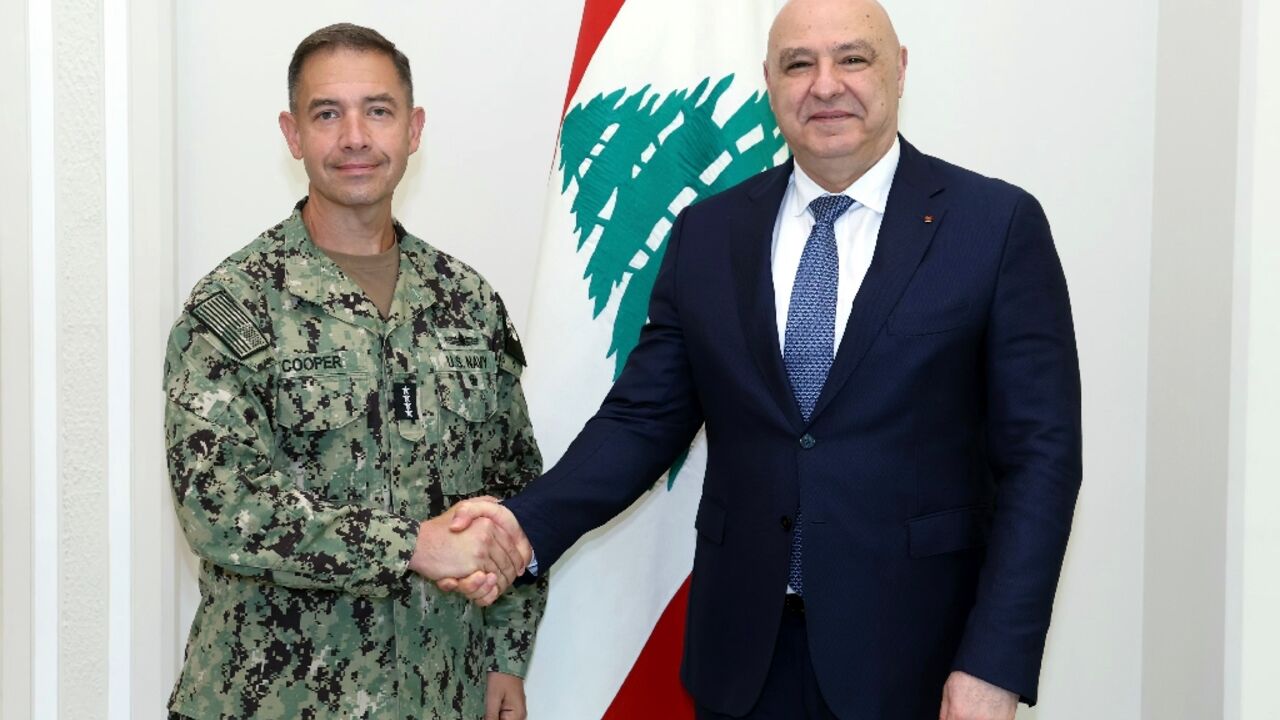
Lebanon's President Joseph Aoun met with Admiral Brad Cooper, the head of US Central Command, on Monday to discuss implementation of a US-brokered peace deal. The meeting centered on the path forward for the agreement, which aims to restore Lebanon's sovereignty over its territory. This high-level engagement shows the critical juncture at which the Washington-brokered agreement, signed last week by Israel and Lebanon, finds itself. The discussions between President Aoun and Admiral Cooper were key for outlining the next steps in solidifying peace and security in the region.
The peace deal commits Lebanon to the "verified disarmament of non-state armed groups and dismantlement of associated infrastructure," according to the State Department. This provision is intended to enable a progressive Israeli withdrawal from Lebanese territory. US Central Command stated that Admiral Cooper and President Aoun "discussed the path forward in implementing" the deal during their meeting. This initial dialogue between the Lebanese head of state and a senior US military official set the tone for subsequent high-level engagements aimed at ensuring the agreement's successful execution. The US has positioned itself as a key facilitator in this process, emphasizing the importance of Lebanese commitment to the terms.
High-Level Diplomatic Engagements
Admiral Brad Cooper, head of US Central Command, engaged in separate discussions with Lebanese officials following his meeting with President Joseph Aoun. Cooper also met with Lebanon's army chief, Rodolphe Haykal. During their discussions, the US Central Command stated that Cooper, President Aoun, and Haykal "discussed the path forward in implementing" the Washington agreement. This indicates a concerted effort to align key Lebanese figures with the deal's objectives. The involvement of both the political and military leadership of Lebanon notes the full approach being taken to address the complex security challenges outlined in the agreement. These discussions are key for establishing a unified front within Lebanon regarding the peace process.
A Lebanese army statement confirmed that the talks between General Haykal and Admiral Cooper focused on "the latest developments in Lebanon and the region." These discussions show the broader regional context influencing the implementation of the US-brokered peace deal. The emphasis on "the path forward in implementing" the agreement suggests continued diplomatic engagement regarding its practical application. The presence of Admiral Cooper, representing US Central Command, signifies the strategic importance the United States places on the stability of Lebanon and the wider Middle East. Such high-level military-to-military dialogue is considered essential for building trust and ensuring coordinated action on critical security matters.
Key Terms of the Agreement
The Washington-brokered agreement, signed last week by Israel and Lebanon, aims to establish a peace deal between the two nations. This agreement includes provisions for the disarmament of Hezbollah, with the responsibility for this task falling to the Lebanese army. Hezbollah labeled the agreement a "blatant violation of the ceasefire," indicating opposition to its terms. The core objective of the deal is to create a secure environment by neutralizing non-state armed groups, a role specifically assigned to the Lebanese military. This element is seen as foundational to achieving lasting peace and stability along the border.
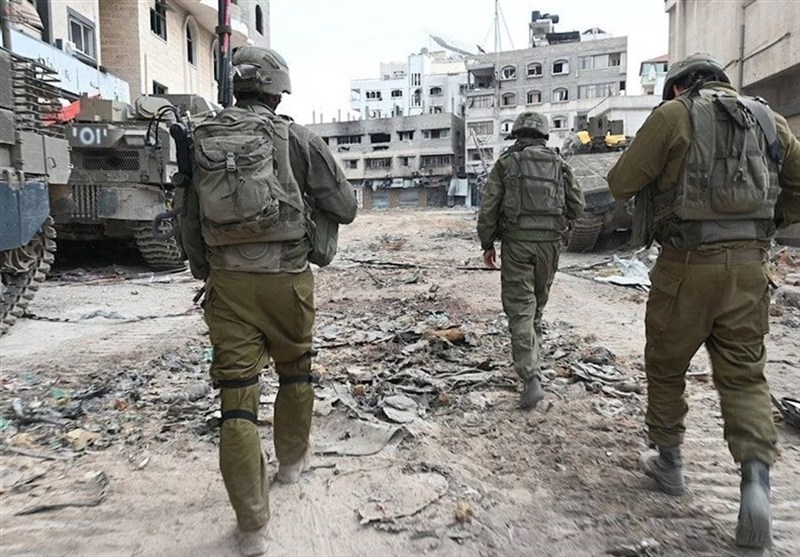
A key aspect of the deal addresses the presence of Israeli troops in Lebanon. Israeli forces currently operate within a self-declared 'security zone' that extends approximately 10 kilometers deep into Lebanese territory along the border. The peace agreement seeks to resolve this long-standing issue. The presence of these troops has been a significant point of contention and a source of insecurity for Lebanon, making their eventual withdrawal a central component of the agreement's success. The framework aims to establish conditions under which Israel can progressively withdraw its forces, contingent upon the disarmament efforts undertaken by the Lebanese army.
Lebanese authorities have reported significant casualties in the conflict. Since the war began on March 2, Israeli attacks have resulted in the deaths of more than 4,200 people. The agreement is intended to halt such hostilities and establish a lasting peace. The disarmament of non-state armed groups, particularly Hezbollah, remains a central component of the Washington deal, placing the onus on the Lebanese military to enforce these terms. This statistic on casualties notes the urgent need for a durable peace, which the US-brokered agreement seeks to provide by addressing the root causes of conflict and ensuring the cessation of hostilities. The human cost of the ongoing conflict shows the imperative for all parties to commit to the agreement's implementation.
Hezbollah's Opposition and Concerns
Hezbollah drew Lebanon into the broader Middle East conflict in March with rocket fire directed at Israel, prompting retaliatory Israeli airstrikes and a subsequent ground invasion. The group has fiercely opposed the US-brokered agreement, with its leading figures issuing warnings of potential internal conflict within Lebanon if the deal is imposed on them. Hezbollah chief Naim Qassem has explicitly rejected the agreement, calling it "null and void." Mr. Qassem instead advocated for the implementation of a US-Iran memorandum of understanding as a means to halt the regional conflict. This strong opposition from a powerful non-state actor presents a significant challenge to the agreement's viability and implementation, as Hezbollah's influence within Lebanon is considerable. The group's rejection notes the deep divisions within Lebanese society regarding the path to peace and security.
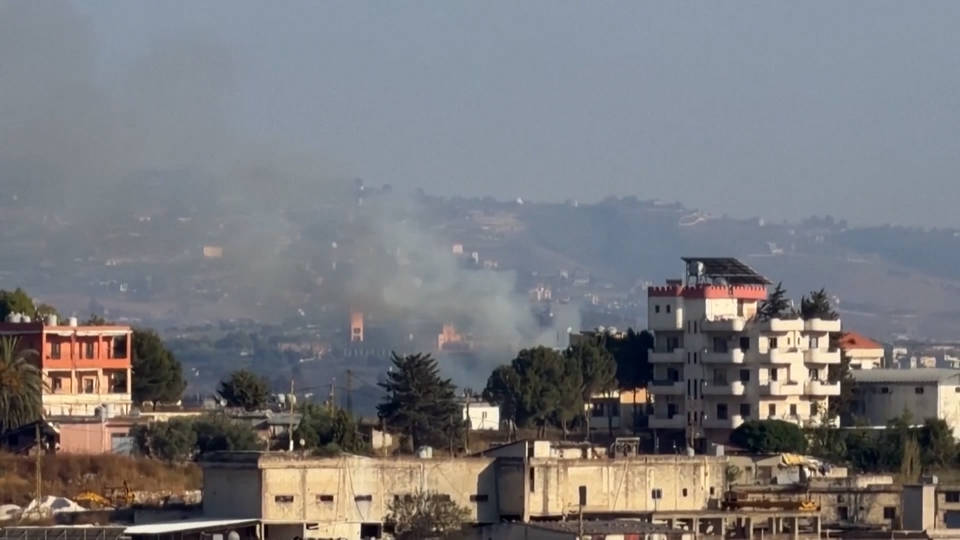
Hezbollah issued a statement on Monday asserting its right to self-defense following Israeli attacks in southern Lebanon the previous day. The group described the Israeli actions as a "blatant violation of the ceasefire." Meanwhile, Israeli leaders have maintained that their troops will continue to occupy southern Lebanon until Hezbollah is disarmed. This stance from Israel shows a key point of contention and a primary objective of the US-brokered deal, which places the responsibility of disarmament on the Lebanese army. The conflicting positions of Hezbollah and Israel illustrate the delicate balance the US-brokered agreement attempts to strike, aiming to de-escalate tensions while addressing the core security concerns of both nations. The ongoing skirmishes, even after the agreement's signing, demonstrate the fragility of the current situation and the urgent need for full implementation.
US Support and Regional Context
Lebanese army chief Rodolphe Haykal and Admiral Brad Cooper, head of US Central Command, discussed the framework agreement's security annex and future cooperation during their meeting. The Lebanese army reported that their discussions emphasized "the importance of successfully implementing the security annex of the framework agreement." They also addressed methods for strengthening future cooperation between their forces. This focus on the security annex indicates a detailed approach to operationalizing the peace deal, ensuring that the military components are clearly understood and executable by both sides. The commitment to strengthening future cooperation also signals a long-term US interest in supporting Lebanon's security capabilities.
Admiral Cooper's diplomatic activities extended beyond Lebanon, as he also visited Israel. This parallel engagement with both parties to the agreement shows the US commitment to facilitating peace across the region and its role as a key mediator. His visit to Israel likely involved similar discussions on the implementation of the Washington agreement and ensuring Israeli security concerns are addressed within the framework of the deal. Concurrently, US Secretary of State Marco Rubio announced Washington's commitment to supporting the Lebanese military. Rubio stated on Friday that the US would reimburse Lebanon's army for $30 million. This financial assistance is intended to "improve the capability and capacity" of the Lebanese military, according to Secretary Rubio. This financial backing from the United States is a tangible expression of support, aimed at bolstering the Lebanese army's ability to fulfill its obligations under the peace agreement, particularly concerning the disarmament of non-state armed groups. The reimbursement is critical for enhancing the Lebanese military's operational readiness and effectiveness in maintaining internal security and asserting national sovereignty.