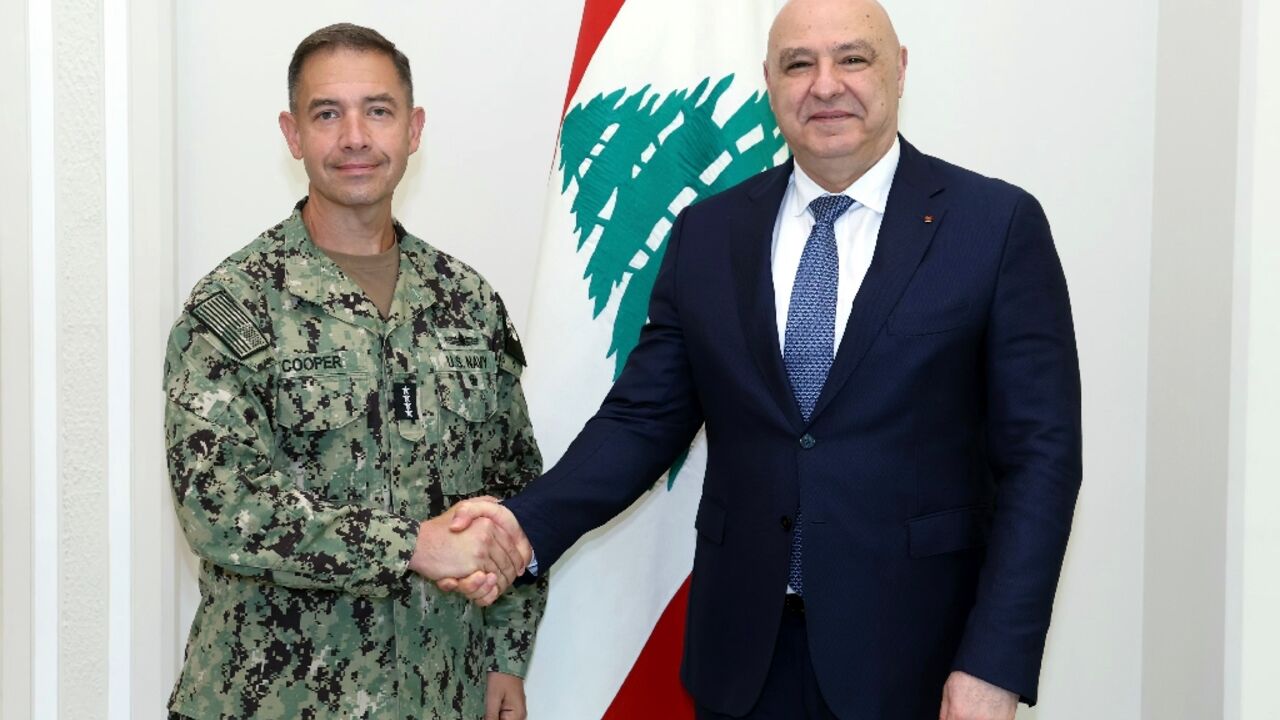
The United States will play a direct role in monitoring the movements of Lebanese and Israeli forces following a new framework agreement, marking a significant shift in Washington's engagement in regional stability. Under this new arrangement, US personnel, who have been deployed in Lebanon in an observation capacity since the 2024 agreement, will now monitor both sides for potential violations. This expanded role positions Washington to play a more hands-on part in maintaining stability between the two nations, aiming to prevent escalation and ensure compliance with the terms of the agreement.
Monitoring Mechanism Detailed
Officials from US Central Command (Centcom) would document and report any violations of the agreement to the Trump administration. This reporting mechanism aims to provide a clear channel for communicating observed breaches directly to the highest levels of US government. The process is designed to be full, ensuring that any deviation from the agreed-upon terms is promptly noted and communicated. The commander of Centcom, however, would not directly oversee the activities of either the Lebanese or Israeli forces under the new arrangement. This is a key distinction, as Centcom's role is specifically defined as monitoring and reporting, rather than direct supervision or command over military operations. This delineation clarifies the scope of Centcom's involvement in the monitoring process, emphasizing an observational and reporting function rather than an operational one. The information gathered by these US personnel will form the basis for diplomatic actions.
Diplomatic Leverage Explained
The new monitoring process is designed to enable US political leadership to exert necessary pressure on either side to fulfill its obligations under the agreement. Officials believe this mechanism will provide Washington with key diplomatic tools. The United States aims to use the documented observations of its personnel to intervene diplomatically, should either Lebanese or Israeli forces deviate from the agreed-upon terms. This would allow Washington to intervene diplomatically with credible, first-hand information. This approach allows Washington to engage directly with both parties, utilizing the information gathered on the ground to facilitate de-escalation or address violations. The agreement intends to provide a structured method for the US to influence compliance and maintain stability in the region, offering a proactive approach to conflict prevention.
Source and Context
The Washington Post reported this information, citing an unnamed US official for this information. The official outlined the rationale behind the new monitoring framework, emphasizing its strategic importance for US foreign policy in the region. According to the official, the process is designed to empower the United States' political leadership by providing them with concrete evidence of compliance or non-compliance. The official stated, "This process would enable our political leadership to exert the necessary pressure on either side to fulfil its obligations." This suggests that the direct monitoring by US personnel aims to provide actionable intelligence for diplomatic engagement, giving US policymakers a stronger hand. The information gathered on the ground would then serve as a basis for Washington to influence compliance from both Lebanese and Israeli forces. The US intends to use these observations to ensure adherence to the agreement's terms, thereby fostering greater stability. This framework positions the United States as a direct observer, capable of documenting any deviations and subsequently applying diplomatic pressure to uphold the peace agreement.