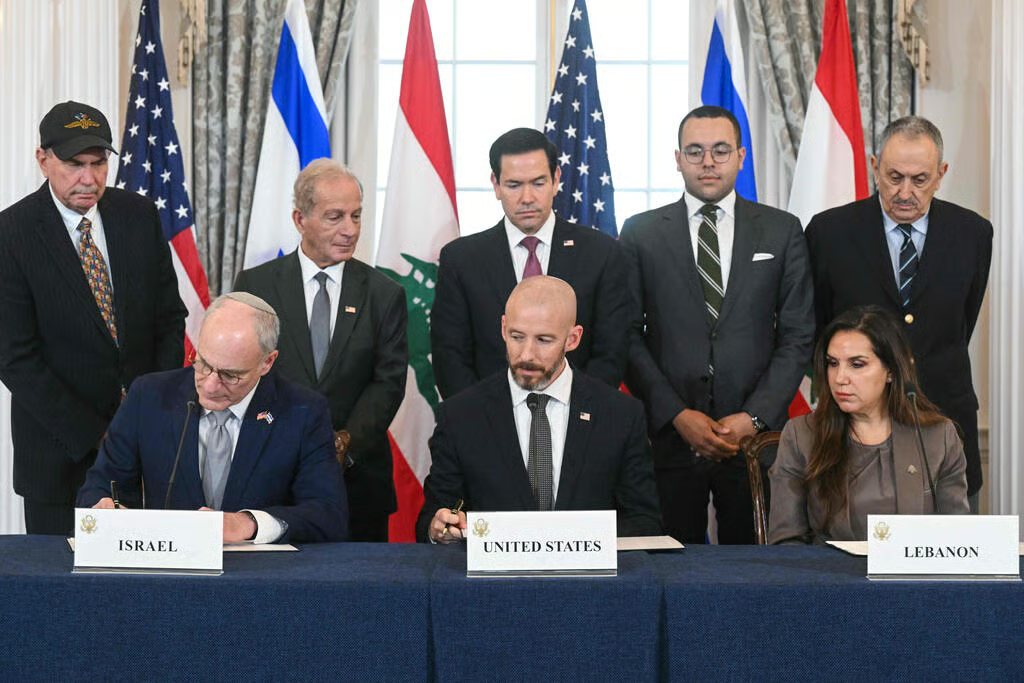
A framework agreement signed between Lebanon and Israel on June 26 has prompted warnings regarding a clause that could potentially shield Israel from accountability for war crimes. The accord has generated concern among observers who interpret its language as creating legal immunity, potentially impacting future legal proceedings. This development has sparked debate over the implications for international justice and future reparations for alleged war crimes committed during past conflicts. The agreement represents a significant diplomatic step, yet its specific provisions are now under intense scrutiny by legal experts and human rights advocates.
Key Agreement Clause
Article 13 of the 14-point trilateral framework agreement sets forth commitments for both Israel and Lebanon. The clause stipulates that both parties will "take good faith measures that demonstrate positive intent, including the cessation of all hostile or adverse actions in international political or legal fora." This particular article is central to the concerns about accountability for alleged war crimes. Its language suggests a mutual commitment to avoid legal challenges in international venues, effectively limiting avenues for redress. The framework aims to establish a new operational understanding between the two nations, and this provision is seen as a key component of that effort to de-escalate tensions and foster a more stable relationship. The inclusion of such a clause has raised eyebrows, given the history of conflict between the two nations.
Expert Concerns Raised
The provision has raised alarm among Lebanese human rights and legal experts. These experts have voiced concerns that the clause could potentially undermine efforts to pursue accountability for war crimes. They argue that the language calling for a "cessation of all hostile or adverse actions in international political or legal fora" could be interpreted broadly to prevent legal challenges against Israel, as well as against Lebanon. Such an interpretation, they contend, would impede victims' access to justice and reparations, effectively denying them their right to seek redress in international courts or tribunals. The clause's implications for international law and human rights have therefore become a significant point of contention among these legal scholars and advocates, who fear it could set a dangerous precedent for future peace agreements.
Context of Destruction
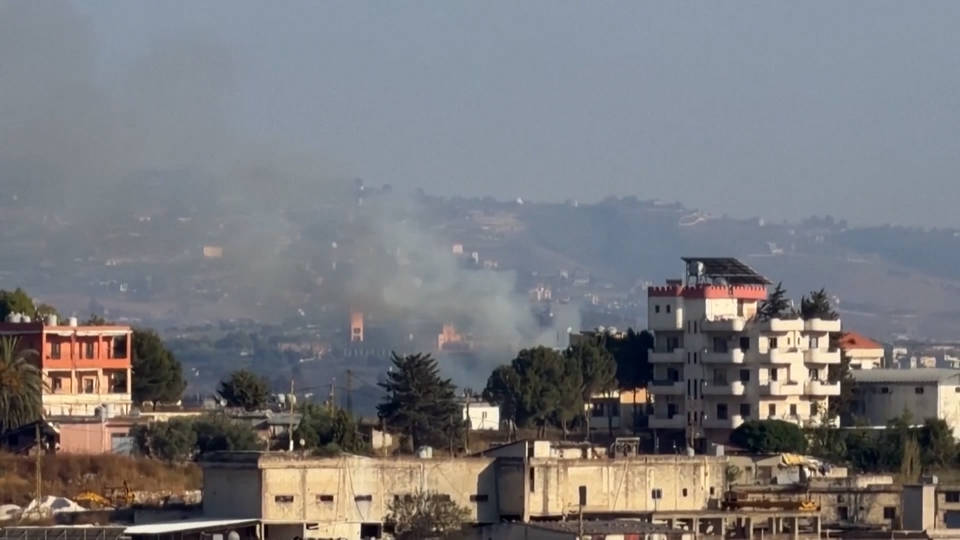
A woman was observed filling a jerrycan with water while seated amidst the rubble of a house in Qlaileh, Tyre district, southern Lebanon, on June 19, 2026. The damage to the residence was attributed to an Israeli strike. This scene reflects the tangible impact of hostilities in the region, providing a visual context to ongoing discussions about accountability and reparations. The destruction in Qlaileh shows the human cost associated with military actions, which often leaves communities grappling with immediate needs and long-term recovery challenges. Such incidents frequently feature in legal and humanitarian arguments concerning international conduct and the responsibilities of states during armed conflict. The image serves as a stark reminder of the devastation that can result from military engagements and the enduring suffering of affected populations.
Legal Ramifications
The framework agreement between Lebanon and Israel has raised significant questions regarding its potential legal implications for international justice. Analysts suggest that Article 13, which mandates the cessation of hostile or adverse actions in international forums, could hinder efforts to pursue accountability for alleged war crimes. This provision is seen by some as potentially creating a de facto immunity for past actions, affecting victims in areas such as Qlaileh, Tyre district, southern Lebanon, who have experienced destruction attributed to Israeli strikes. The interpretation of this clause will be key in determining whether affected parties in Lebanon can seek recourse through international legal channels, thereby impacting reparations and future legal precedent. The agreement's language could potentially limit the scope for international judicial bodies to investigate and prosecute alleged war crimes, raising concerns about the erosion of international humanitarian law principles.