Former President Donald Trump has asserted that Iran is currently under significant pressure, stating the nation is "willing to give us practically anything." This claim comes as Tehran has reportedly responded to regional tensions, suggesting a perceived weakening of its regional posture. According to reports, Iran has struck vessels operating in Omani waters without prior authorization, an act interpreted by some as a direct challenge to maritime security in the vital waterways of the Middle East. Trump's assessment paints a picture of an Iran "on the ropes," suggesting that the Islamic Republic is in a vulnerable position and ready to make substantial concessions to the United States. This perspective, however, faces scrutiny from observers who point to Iran's continued assertive actions in the region.
Iran's Maritime Leverage
The United States is moving tankers through Omani waters, often with transponders off, signaling the limited control Iran currently exerts over these international shipping lanes. This tactic by US vessels notes a strategy to navigate the complex security landscape while minimizing potential confrontation. However, the contest over these vital maritime routes is far from over, indicating an ongoing struggle for influence and dominance in the Persian Gulf and surrounding areas. During recent fighting, Iran established its capability to close the Strait of Hormuz, a critical chokepoint for global oil supplies. Tehran now aims to embed this demonstrated leverage for use during peacetime, transforming a wartime capability into a permanent strategic advantage. By showcasing its ability to disrupt shipping, Iran seeks to project power and influence over maritime trade, even in the absence of active conflict. Tehran's response, including striking vessels using the Omani route without permission, further shows its intent to assert its presence and challenge what it perceives as unauthorized activity in its sphere of influence.
Lebanon and Regional Context
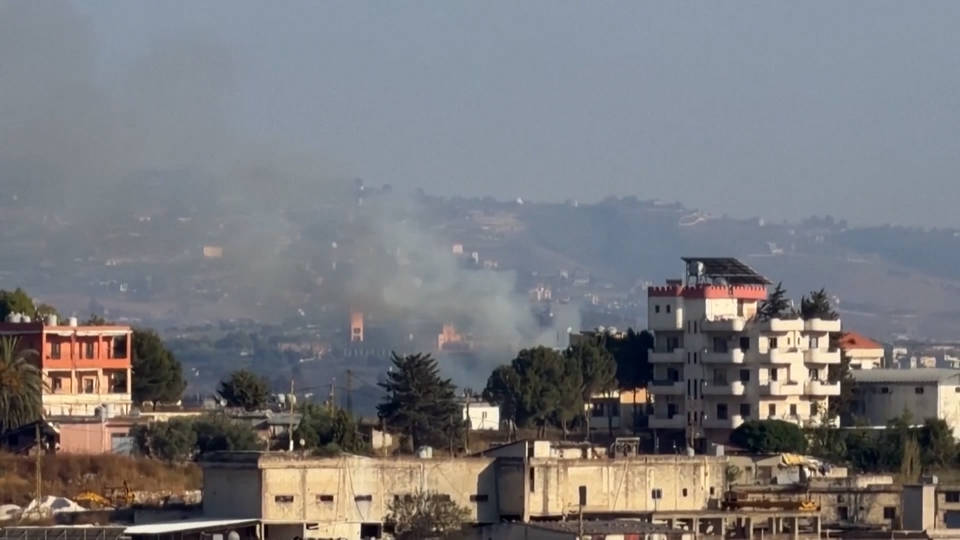
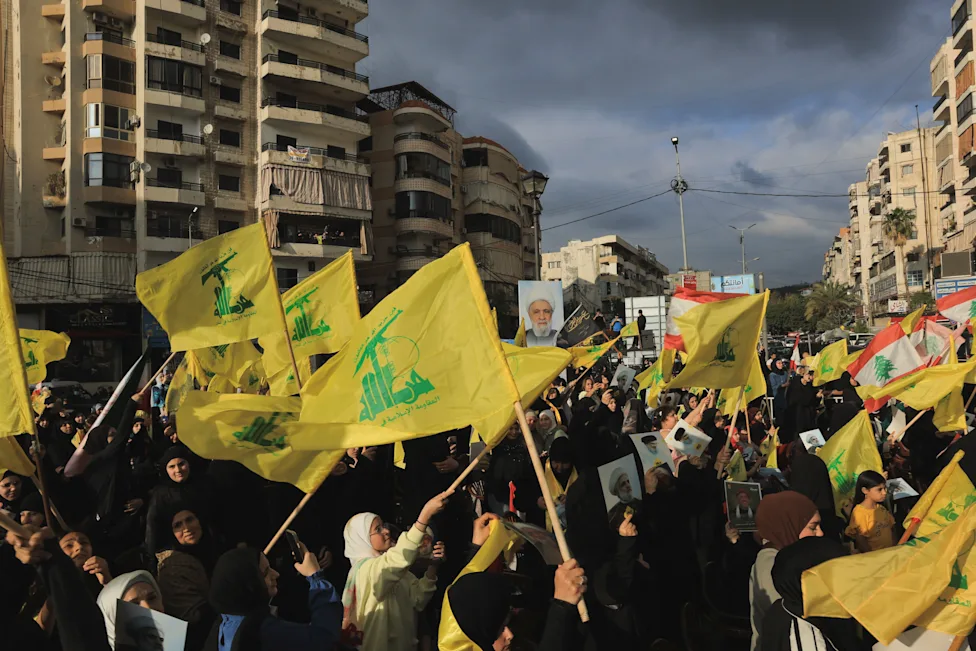
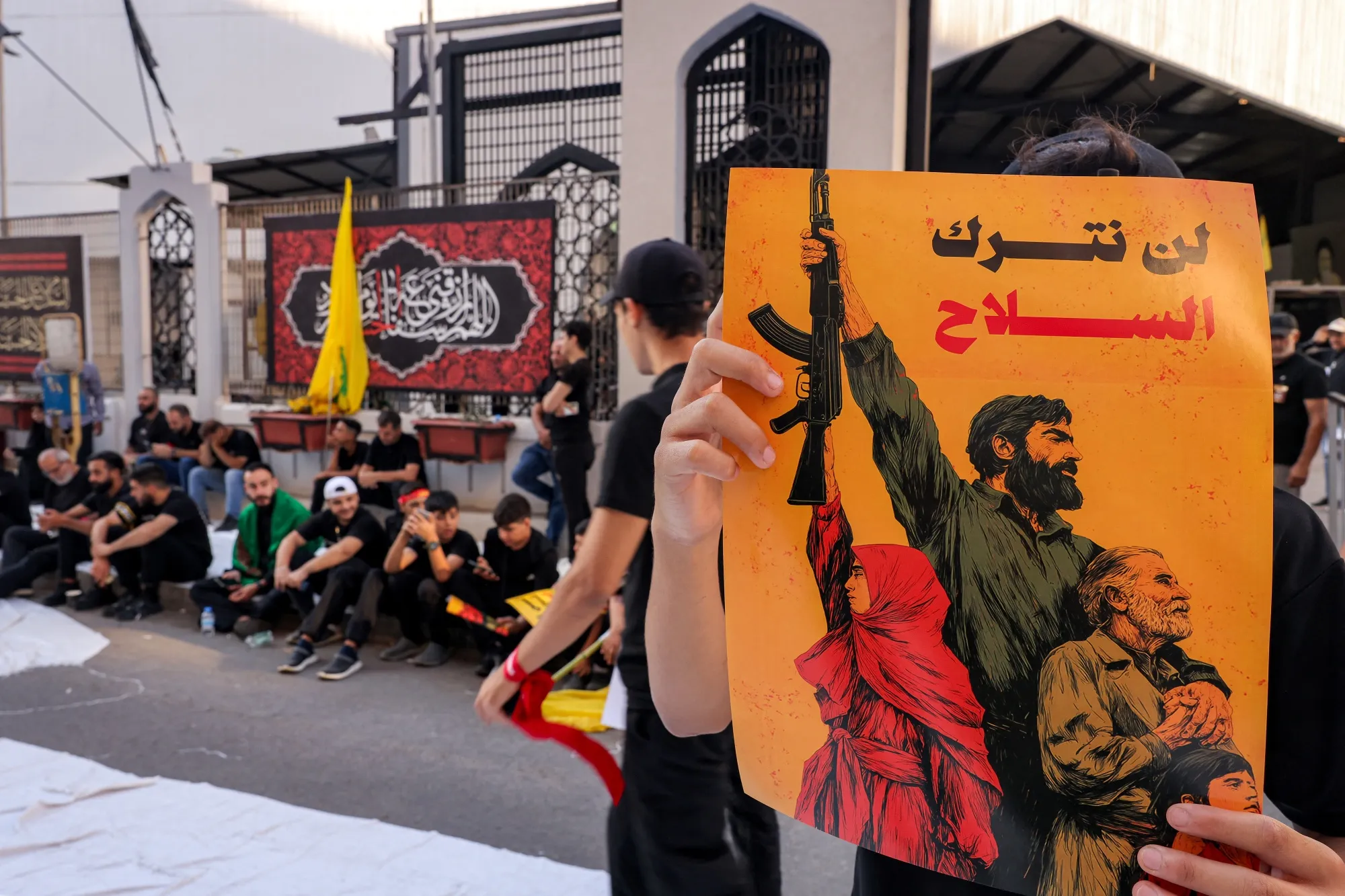
Weekend exchanges of fire indicate that former President Donald Trump's assessment of Iran is "fantasy." These clashes, occurring in various regional flashpoints, suggest that Iran and its proxies remain potent forces, capable of initiating or responding to military actions. The continued intensity of these engagements contradicts the notion of a weakened Iran ready to concede. Hezbollah supporters participated in a ceremony during the peak of Ashura on July 6, 2025, in Beirut. Ashura is a 10-day period commemorating the seventh-century killing of Prophet Mohammed's grandson Imam Hussein, a central event in Shia Islam. The event in Beirut shows the continued influence of Hezbollah and its alignment with Iranian-backed movements in the region, despite ongoing tensions. This public display of solidarity serves as a powerful symbol of the enduring connections between Tehran and its allies, demonstrating a resilient network of support. The ceremony served as a public display of support and religious solidarity within the Lebanese capital, projecting an image of strength and unity that runs counter to the idea of a diminished Iran. Such events reinforce the geopolitical realities of the Middle East, where non-state actors like Hezbollah play a significant role in regional power dynamics, often with the backing of key players like Iran.
Re-evaluating Peace Talks
Peace talks should be re-evaluated as a process designed to establish the post-conflict balance of forces in the region, according to an analysis by Marc Champion for Bloomberg. Champion suggests that these negotiations imply a choppy future ahead, characterized by ongoing challenges and potential instability. However, he also indicates that such talks could potentially salvage something positive from the ongoing conflict, offering a pathway toward a more stable, albeit complex, regional order. His assessment points to the strategic importance of diplomatic engagement in shaping regional stability after hostilities conclude, emphasizing that the cessation of fighting is merely the first step in a longer process of geopolitical reordering. The emphasis is on using negotiations not merely to cease fighting, but to define the new geopolitical arrangement among involved parties, including the allocation of power, resources, and influence. This perspective notes the complex interplay between military outcomes and diplomatic efforts in the Middle East, where the negotiating table often becomes an extension of the battlefield, determining the long-term consequences of conflict. The negotiations, therefore, are not just about ending violence but about crafting the very structure of future regional interactions.