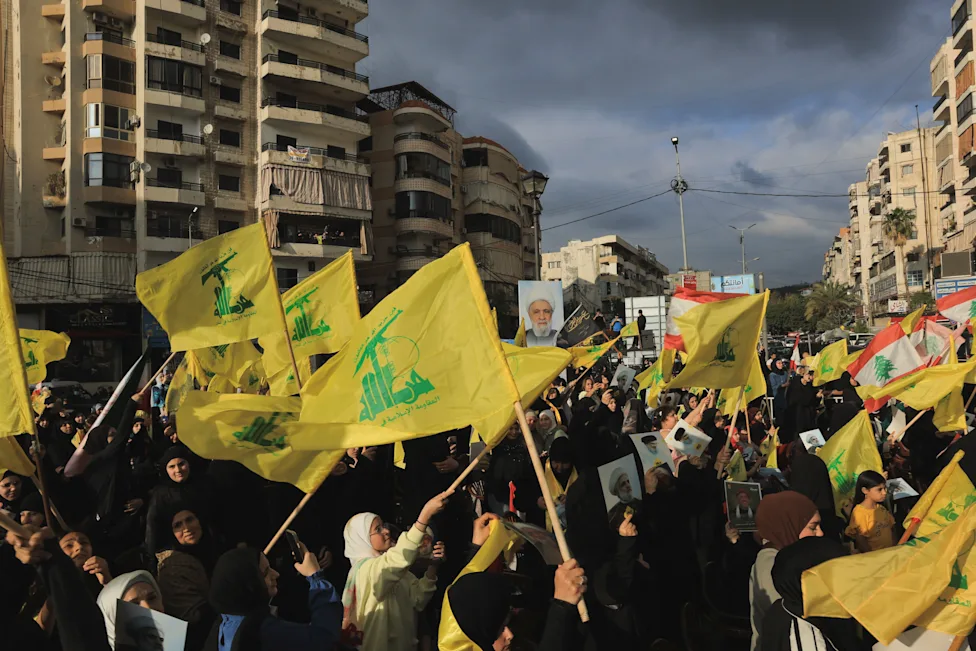
Israel will only partially withdraw from its security zones, focusing on a pilot program in southern Lebanon between the Israel Defense Forces' (IDF) Yellow Line and the Litani River. The IDF's withdrawal from portions of southern Lebanon will initially concentrate on this specific zone as part of the proposed pilot program. This strategic focus shows Israel's approach to managing its security interests in the region. A full withdrawal from Israeli security zones, which include areas in Lebanon, Syria, and Gaza, is not currently planned, according to statements from Defense Minister Israel Katz.
Hezbollah Presence Detailed
Approximately 2,500 Hezbollah operatives are currently deployed in southern Lebanon, posing a significant security concern for Israel. A detailed breakdown of their locations indicates a substantial presence across key areas. Specifically, 1,200 of these Hezbollah operatives are positioned south of the Litani River, placing them in close proximity to the Israeli border. The remaining 1,300 Hezbollah operatives are situated north of the Litani River, extending into the territory south of the Zahrani River. This distribution of forces notes the widespread nature of Hezbollah's operations in southern Lebanon. The assessment in the article concerns Hezbollah activity across around 24 villages within these areas, indicating the localized impact and strategic importance of these communities. The presence of these operatives is a critical factor influencing Israel's security decisions and its reluctance to fully withdraw from its security zones.
Border Village Destruction
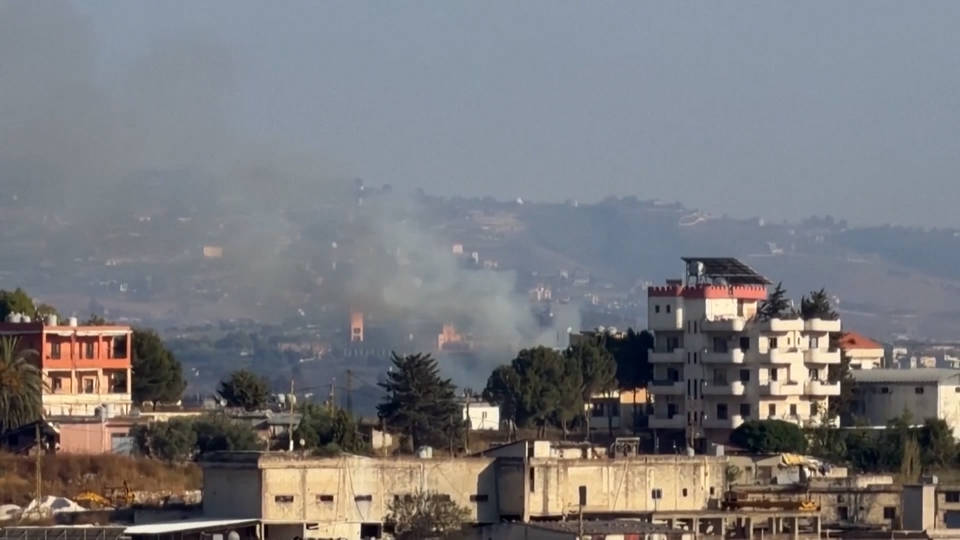
Lebanese villages located near the border with Israel in the central and western areas experienced destruction at a rate of approximately 100% due to Hezbollah weapons. This extensive damage reflects the intensity of military engagements and the destructive power of the weaponry employed by Hezbollah. In eastern border regions, about 73% of Lebanese villages near Israel were destroyed, a slightly lower but still devastating figure. This assessment is based on the volume of weapons discovered within these villages, suggesting a direct correlation between the presence of Hezbollah armaments and the level of destruction. The destruction observed across these areas notes the profound and devastating impact of military activities on civilian infrastructure near the border, leaving many communities in ruins.
Withdrawal Conditions and History
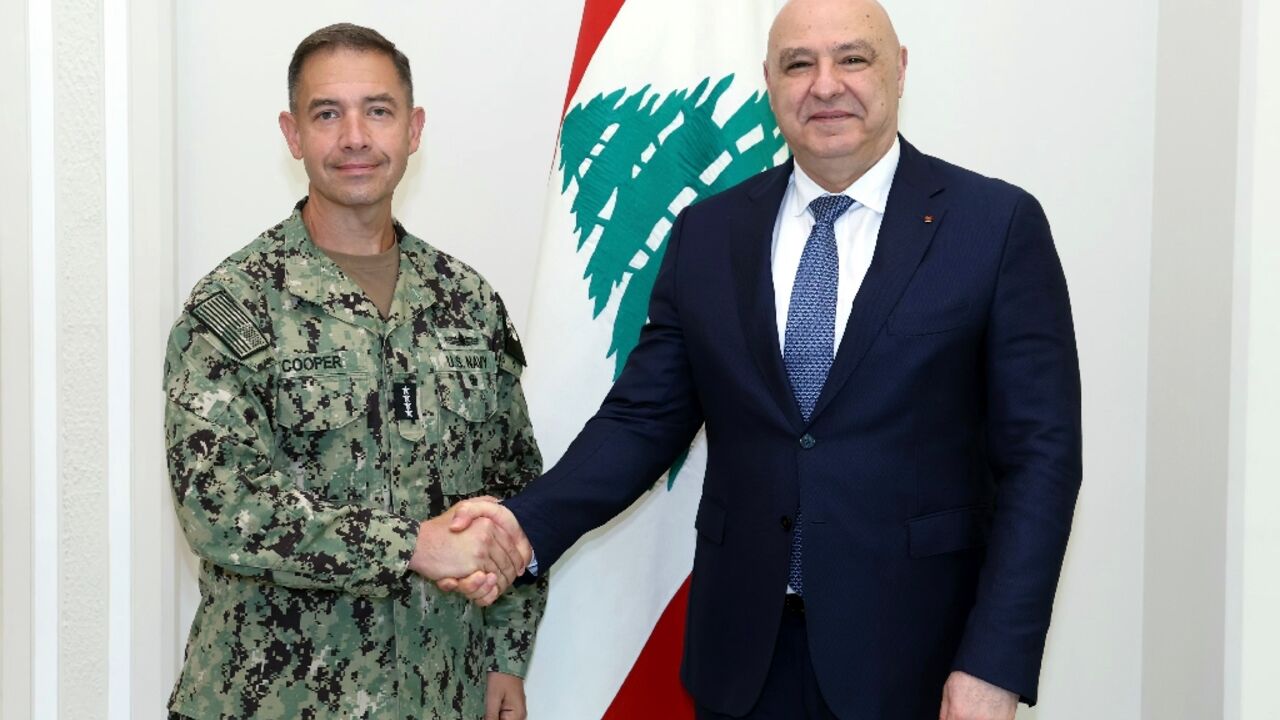
Defense Minister Israel Katz informed CENTCOM Chief Admiral Brad Cooper that Israel plans to only partially withdraw from its security zones in Lebanon, Syria, or Gaza, rather than undertaking a full withdrawal. Katz explicitly stated, "Israel will only partially, not fully, withdraw from any of its security zones in Lebanon, Syria, or Gaza." This firm position is rooted in historical precedent concerning Israeli presence in Lebanese territory and ongoing security considerations. The pilot program for IDF withdrawals from portions of southern Lebanon will initially focus on the zone between the IDF's Yellow Line and the Litani River, indicating a cautious, phased approach to any potential disengagement.
In early 2025, the United States pressed Israel to withdraw from a larger expanse of Lebanese territory, noting international pressure on Israel's border policies. Israel had initially sought to retain control over more land for a longer duration, reflecting its strategic security concerns. However, it ultimately acceded to US pressure, leading to its withdrawal to the five outposts it has maintained since that time. This historical context shows the complex interplay of international diplomacy and national security interests that shape Israel's decisions regarding its territorial presence.
Katz's Statement to CENTCOM
Defense Minister Israel Katz held a briefing for military reporters on Monday, where he unequivocally outlined Israel's stance on its security zones. During this briefing, Katz reiterated his position, stating, "Israel will only partially, not fully, withdraw from any of its security zones in Lebanon, Syria, or Gaza." He conveyed this clear message directly to CENTCOM Chief Admiral Brad Cooper, emphasizing the strategic importance of this policy. The minister's remarks came amidst growing concerns about the humanitarian impact of the ongoing situation in southern Lebanon. It is estimated that around 200,000 Lebanese citizens may find they have nothing to return to in their communities due to the extensive destruction and displacement caused by the conflict. This humanitarian crisis adds another layer of complexity to the discussions surrounding withdrawal and regional stability.