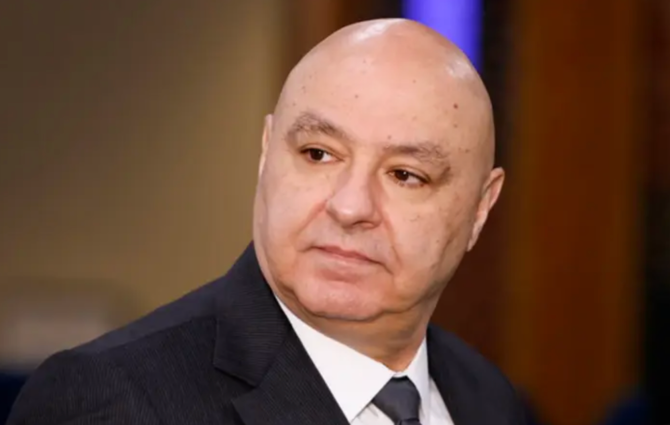
Lebanese President Joseph Aoun on Thursday defended ongoing negotiations with Israel, characterizing them as a "diplomatic war." Speaking on the matter, President Aoun stated, "Negotiations with Israel are not 'treason but a diplomatic war without unnecessary bloodshed.'" He further affirmed Lebanon's unwavering stance on territorial integrity, adding, "We will not yield a single inch of Lebanese territory." This resolute declaration showed Beirut's commitment to its sovereign land while engaging in what he described as a strategic diplomatic confrontation.
Framework for Peace
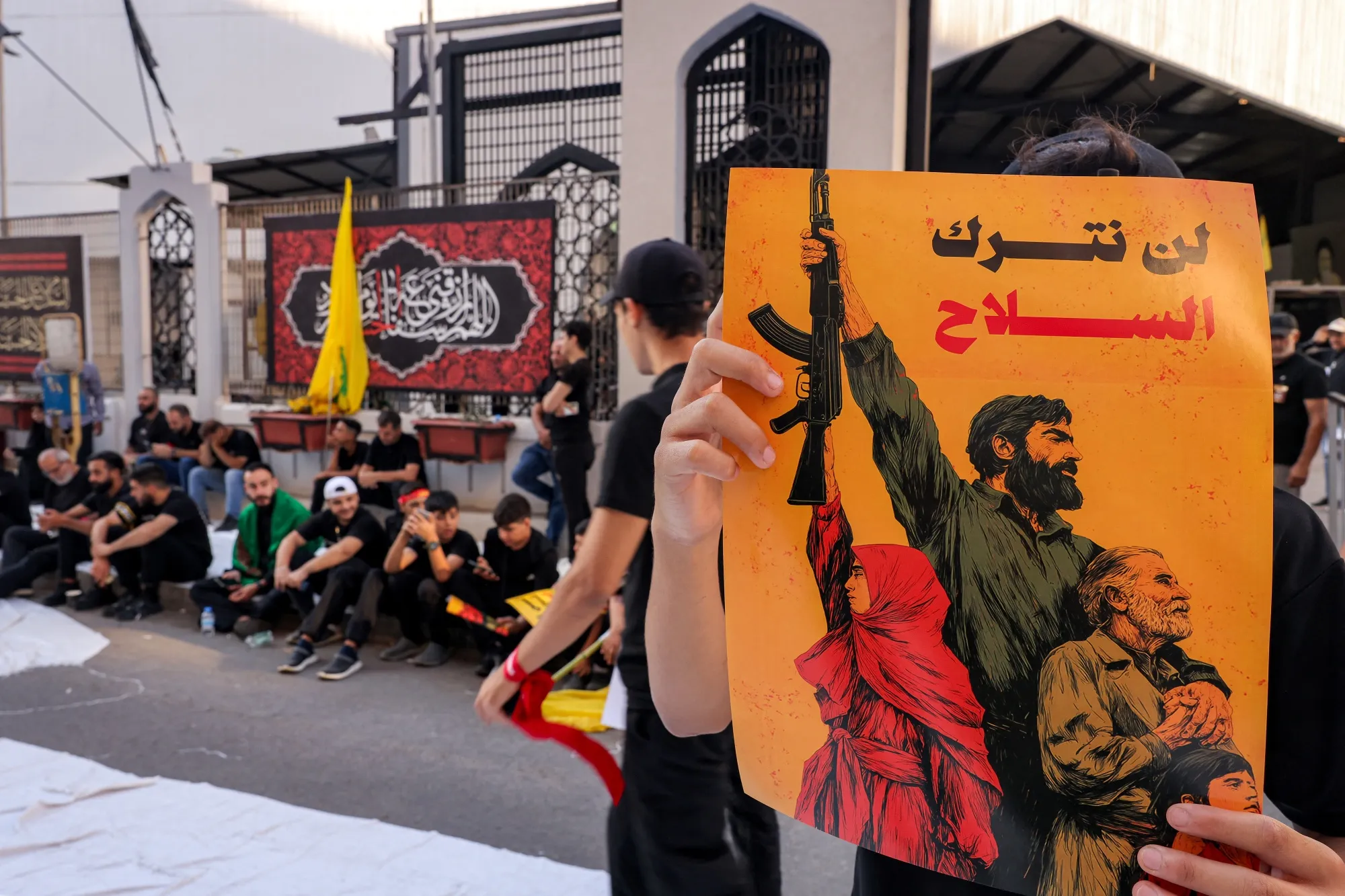
Lebanon last week signed a US-backed framework agreement with Israel, aiming to secure peace between the two countries. The agreement envisions the Lebanese army gradually establishing its authority over south Lebanon. This process, central to the framework, is contingent on Hezbollah disarming and Israel withdrawing from the area. The framework agreement, however, does not specify a timeline for these key steps to be completed, leaving the duration of the process open-ended. The signing of this agreement marked a significant diplomatic development, indicating a pathway toward potential de-escalation and long-term stability in the volatile region. President Aoun's administration views these talks as essential to achieving Lebanon's national interests.
Israeli Security Demands
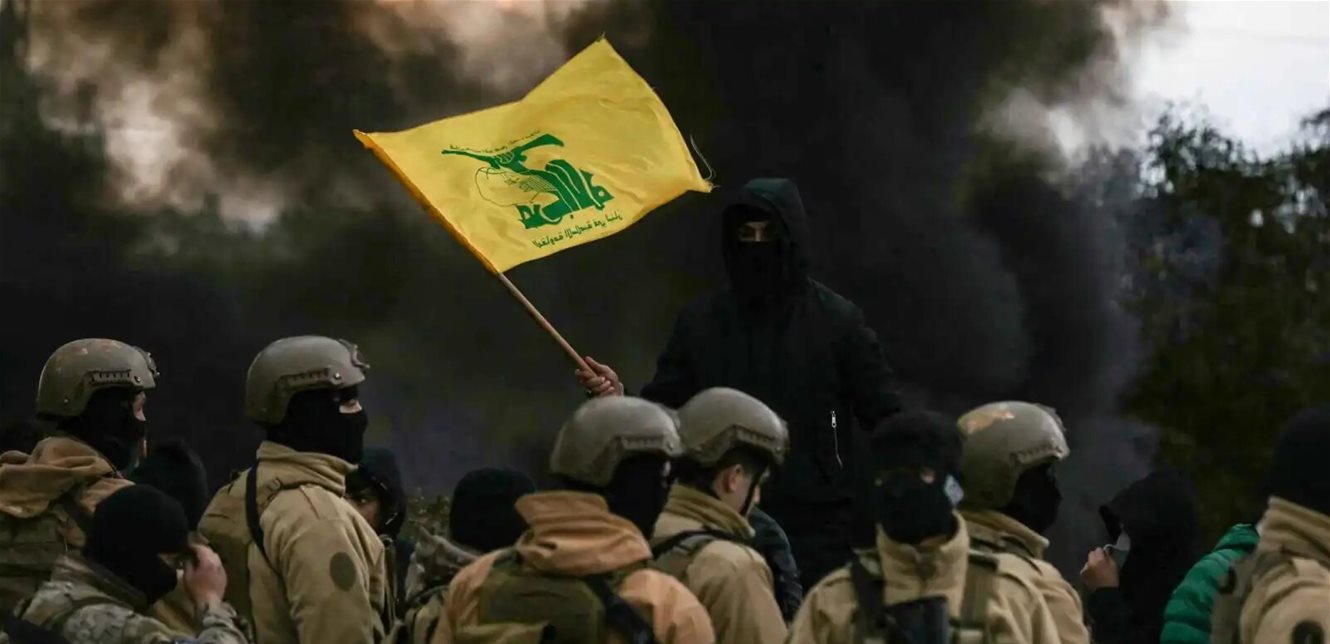
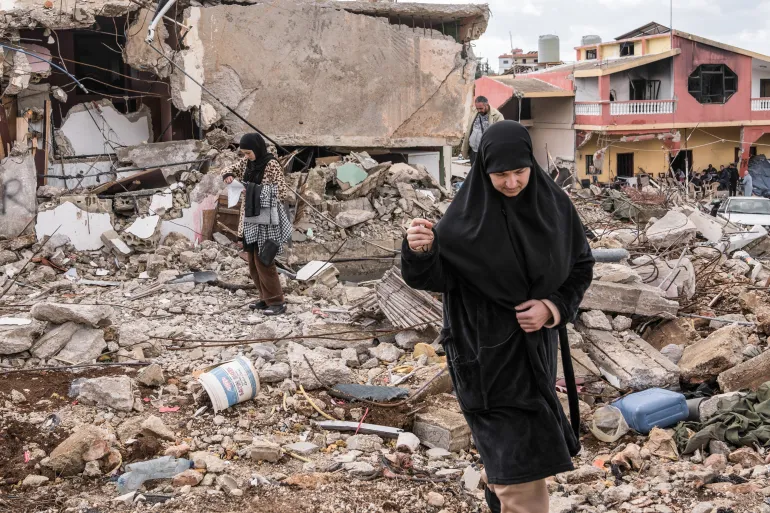
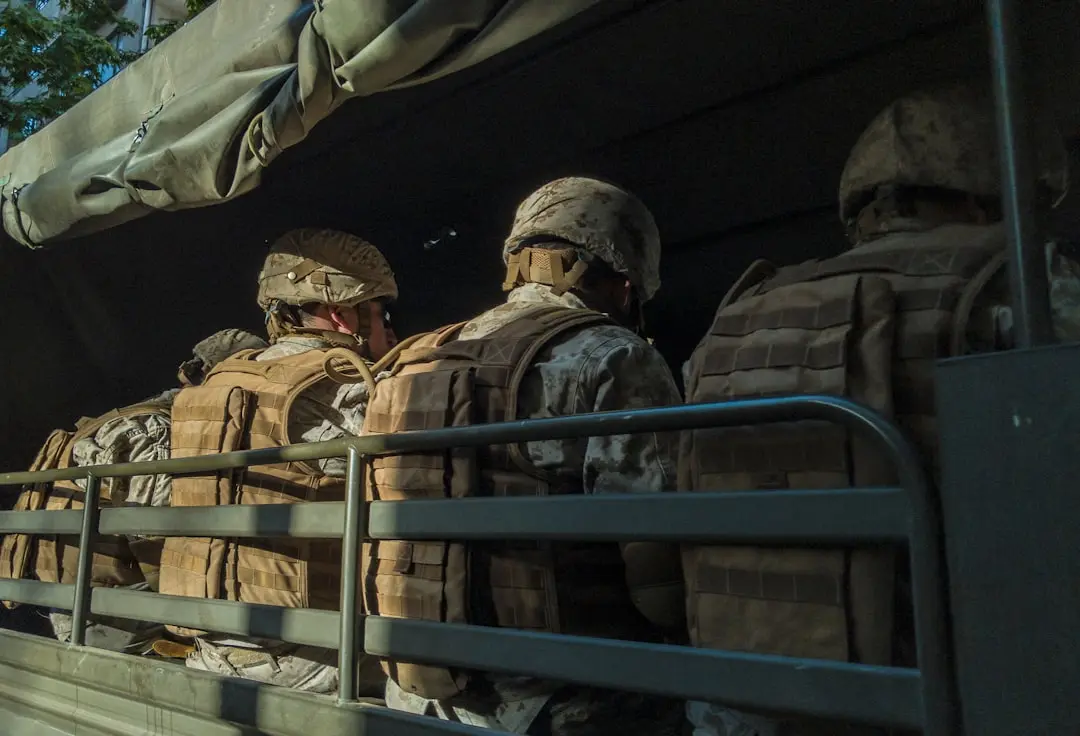
Israeli Defense Minister Israel Katz stated on Wednesday that the Israeli army would remain “until further notice” in what he described as "security zones" in Lebanon, Syria, and the Gaza Strip. This declaration from the Israeli Defense Minister noted Israel's perceived security imperatives in the region. Israeli Prime Minister Benjamin Netanyahu reiterated this stance during a visit to the so-called “security zone” in south Lebanon on Tuesday. Netanyahu affirmed that Israeli forces would maintain their presence there as long as Hezbollah continued to pose a threat. The Prime Minister's visit and subsequent comments showed Israel's determination to secure its borders against perceived aggressors. Authorities in Lebanon report that Israel responded with airstrikes and a ground invasion following recent events, which have resulted in the deaths of more than 4,200 people in Lebanon, according to figures provided by Lebanese authorities. These casualty figures highlight the severe human cost of the ongoing conflict and military operations in the region.
Presidential Defense
Lebanese President Joseph Aoun defended ongoing discussions with Israel, characterizing them as a "diplomatic war." Aoun stated that "Negotiations with Israel are not 'treason but a diplomatic war without unnecessary bloodshed,'" emphasizing the strategic nature of the engagement and distinguishing it from outright capitulation. He also affirmed Lebanon's territorial integrity, declaring, "We will not yield a single inch of Lebanese territory." The president's comments come as the latest war erupted on March 2, when Hezbollah launched missiles at Israel. That action was described as retaliation for US-Israeli strikes that killed Iran's supreme leader, marking a significant escalation in regional tensions. The president's statements aimed to reassure the Lebanese public of the strategic intent behind the negotiations, framing them as a necessary measure to protect national interests.
Diplomatic War Stance
The Lebanese president stated that Beirut has opted to engage in discussions "to guarantee Israel's withdrawal from its territory." Joseph Aoun's remarks show the strategic objective behind Lebanon's participation in the ongoing talks, presenting them as a means to achieve a specific outcome rather than an act of concession. This approach reflects a calculated decision by the Lebanese leadership to use diplomatic channels to address long-standing territorial disputes and security concerns. The emphasis on ensuring Israel's withdrawal from Lebanese territory notes the core demand from Beirut in these complex negotiations.