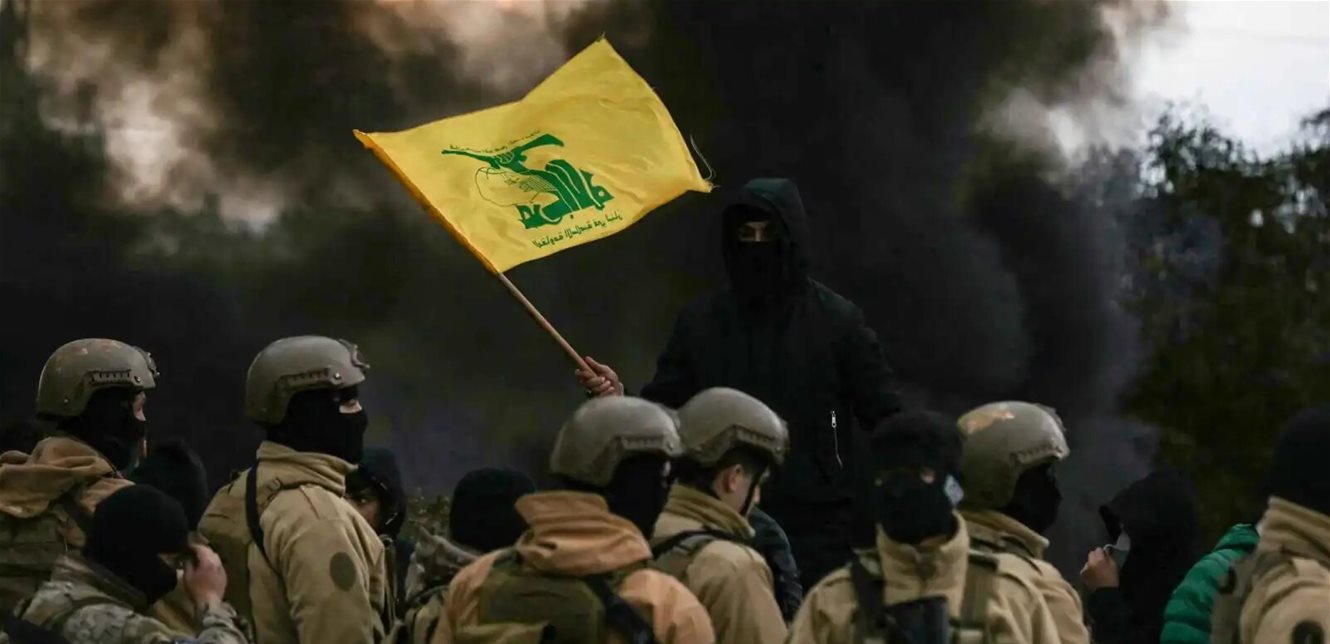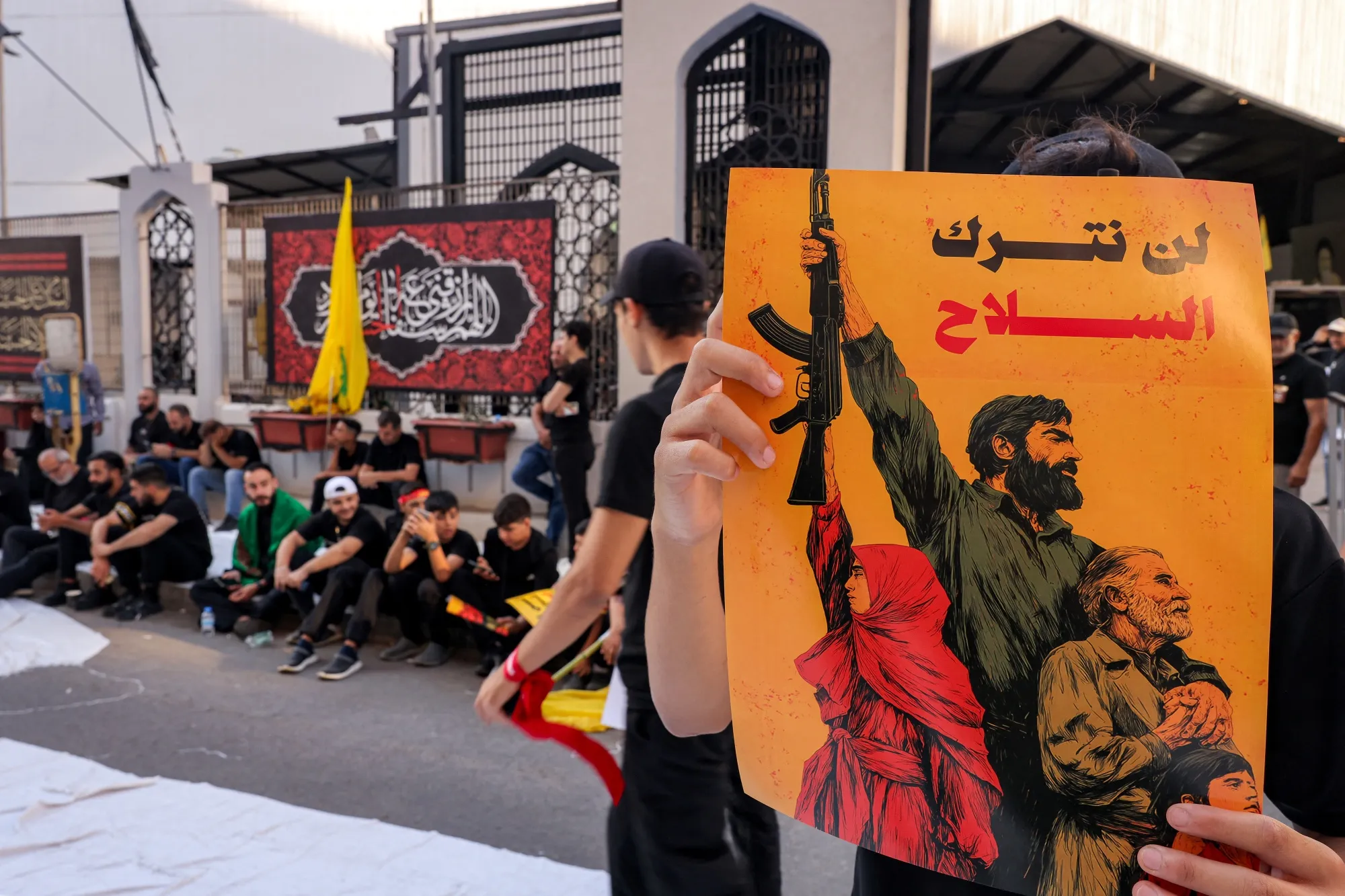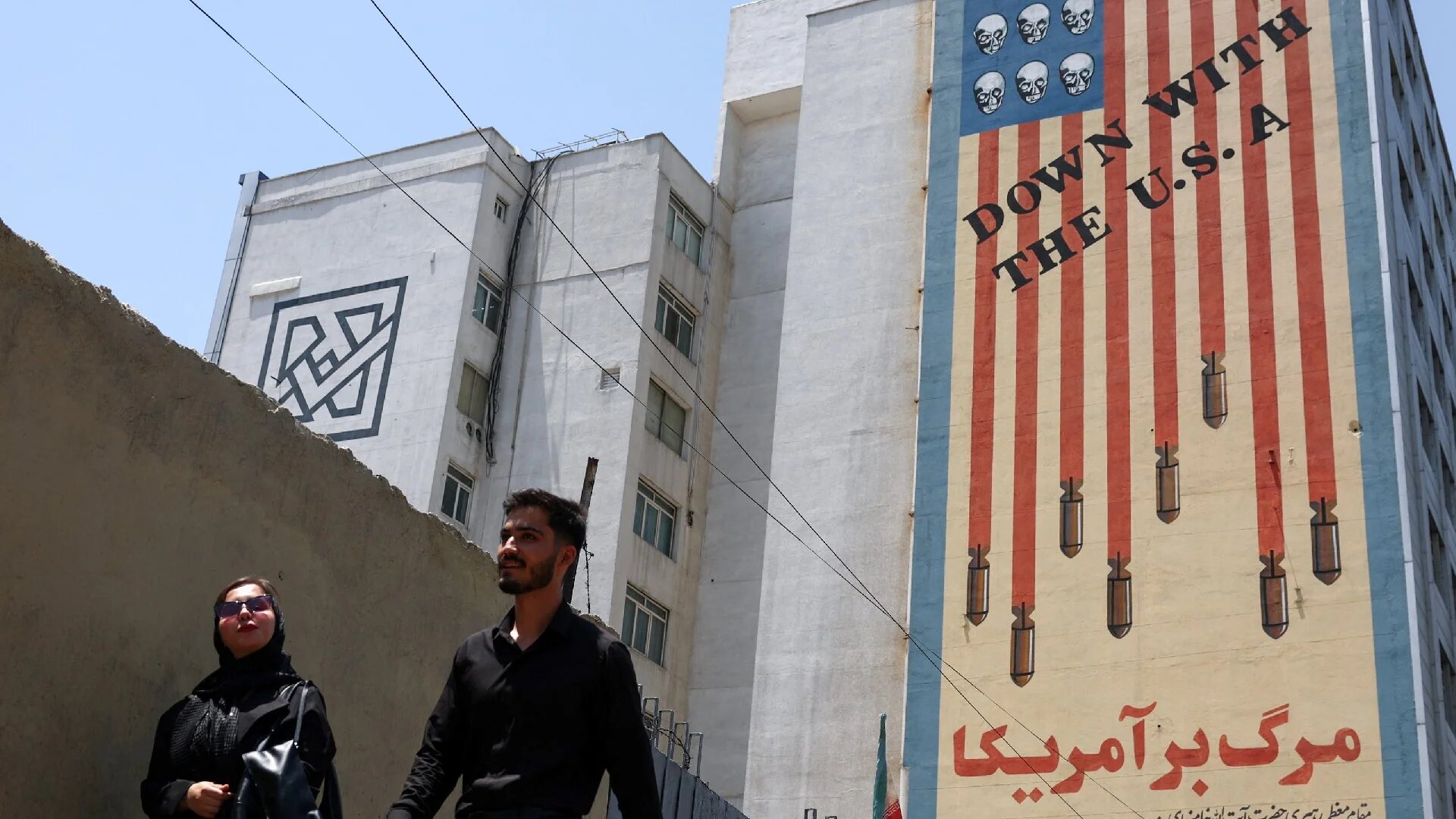
The U.S. House of Representatives on Tuesday rejected a resolution that would have directed the Trump Administration to withdraw American armed forces from hostilities in Lebanon. The vote, which saw 189 members support the resolution and 235 oppose it, marks a significant legislative decision concerning military engagement abroad. The resolution's defeat means the administration retains broad discretion over its military operations in the region, maintaining the current status quo regarding U.S. Troop presence. This outcome shows ongoing tensions between Congress and the executive branch over war powers, particularly concerning the deployment of military forces without explicit congressional approval. The congressional resolution, H.Con.Res.108, aimed to assert legislative authority over military actions.
Partisan Vote Breakdown
The H.Con.Res.108 floor vote, held on Tuesday, June 30, largely divided along party lines. The final tally of 189-235 clearly illustrated the partisan split within the House.
Among Democrats, 187 members voted in favor of the resolution to withdraw troops from Lebanon, while 22 Democrats voted against it. Three Democratic representatives did not cast a vote. This strong Democratic support for the resolution reflected a desire among many in the party to limit presidential war powers and reassert congressional oversight.
Republicans demonstrated a near-unanimous opposition to the resolution. Just two Republican members voted yes, with 212 voting no. Four Republican representatives did not participate in the vote. Additionally, one Independent lawmaker voted against the resolution. The overwhelming Republican opposition aligned with the Trump Administration's stance on maintaining flexibility in military deployments.
Administration Stance
White House officials had indicated that President Trump would veto the measure if it had successfully passed both chambers of Congress and reached his desk. This stance signaled the administration's firm opposition to a mandatory withdrawal of American forces from Lebanon. The Executive Branch has consistently argued for maintaining its flexibility in deploying military assets to address regional security concerns in the Middle East. The President's potential veto would have reinforced the administration's position on war powers, emphasizing presidential authority in military engagements. This preemptive signal from White House officials showed the deep division between the administration and certain congressional factions regarding foreign military policy, further noting the ongoing struggle for control over military interventions.
Implications for War Powers
The failed vote in the House of Representatives means the United States will continue its military involvement in Lebanon without explicit congressional authorization beyond existing authorizations for the use of military force. This outcome notes ongoing challenges to congressional authority over military deployments. The resolution's failure left in place the status quo, with the administration retaining broad discretion over military operations in the region. The legislative branch has historically sought to assert its constitutional role in declaring war and overseeing military actions. However, the practical application of the War Powers Resolution, intended to limit presidential authority in deploying troops, remains largely ineffective. The War Powers Resolution remains largely toothless in practice. Critics argue that the resolution, enacted in 1973, has struggled to achieve its intended purpose of reining in executive power over military engagements abroad, often leaving the executive branch with significant latitude in deploying forces.
Context of Lebanon Involvement
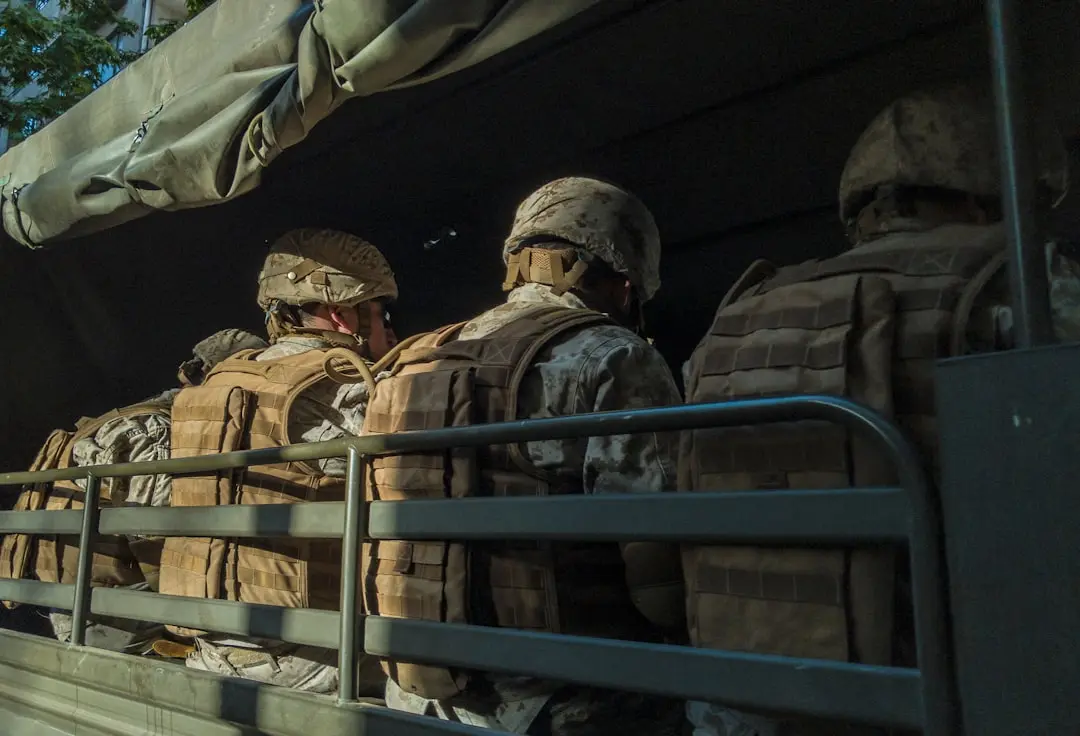
The United States maintains a military presence in Lebanon, a country in the Middle East, as part of broader security efforts in the region. The specifics of the current U.S. Military involvement in Lebanon are not detailed in the resolution, yet the presence of American armed forces has been a consistent element of U.S. Foreign policy. The Trump Administration has asserted its authority to deploy and maintain these forces, citing national security interests. Congress's recent vote against withdrawing troops shows the ongoing commitment to operations in Lebanon, reflecting the executive branch's discretion in military deployments and the House's decision to not challenge that authority at this time.