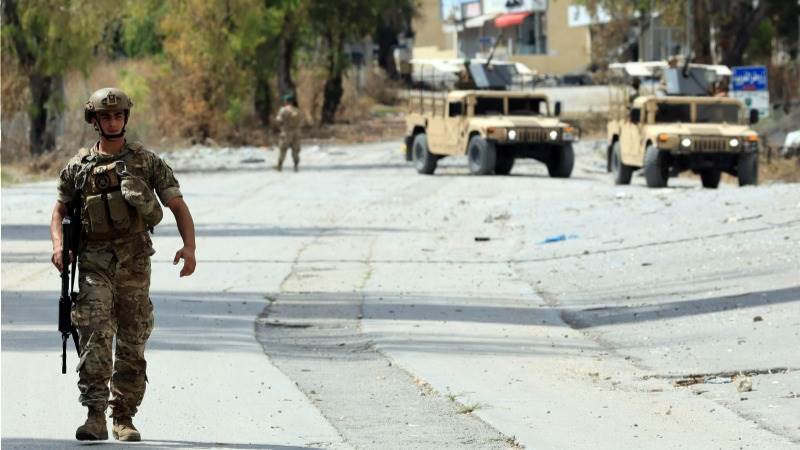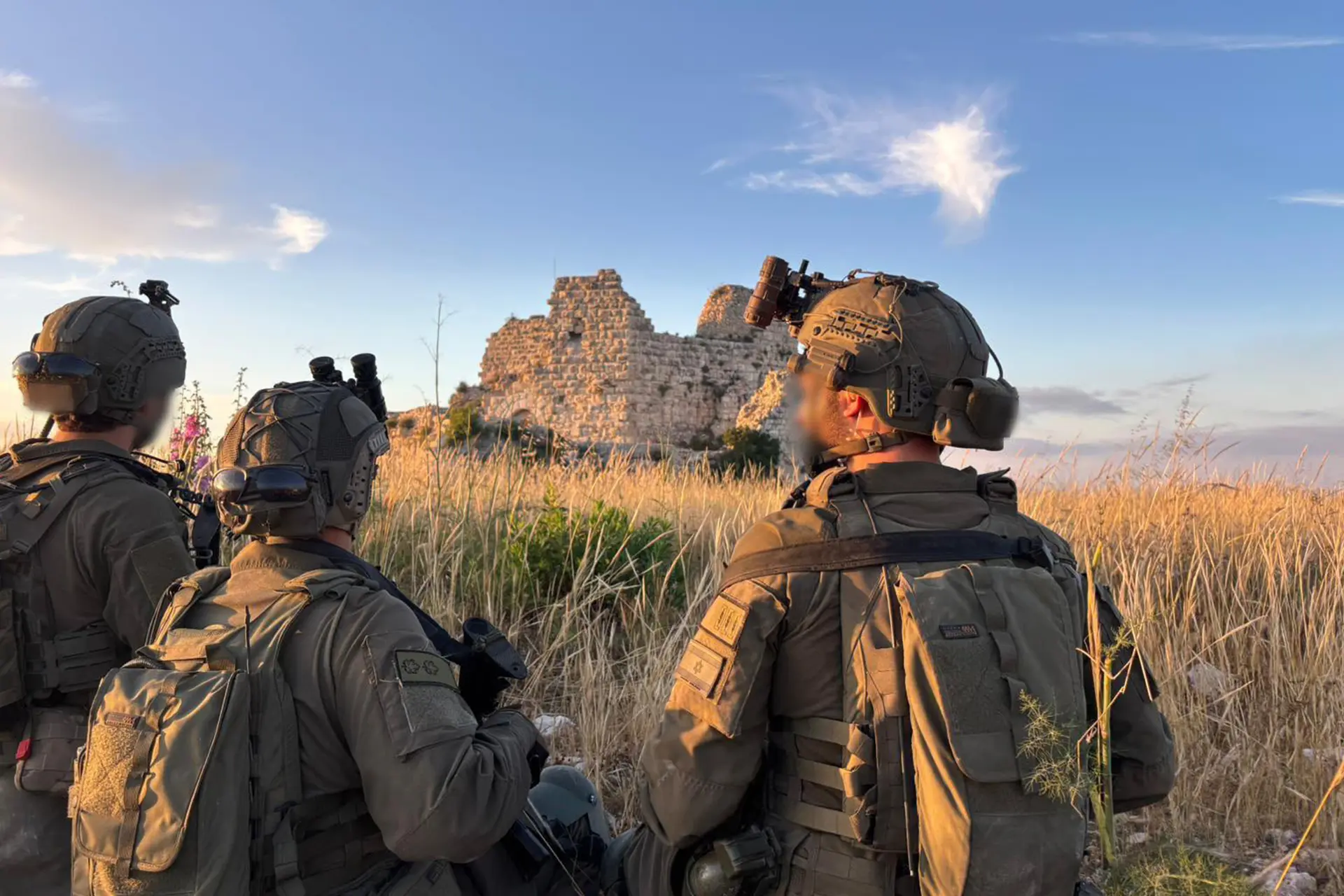
Israel’s Givati Brigade has concluded its eight-month mission in southern Lebanon, where it had been operating. The completion of the brigade's deployment comes as Israel announced preparations for an initial partial withdrawal of its forces. This withdrawal is slated to occur from two sectors within the Nabatieh District, signaling a potential shift in the operational landscape of the volatile border region.
Intensified Operations and Withdrawal Plans
The Israel Defense Forces (IDF) stated the Givati Brigade's deployment began with a defensive mission along the border and continued with offensive operations throughout southern Lebanon. This strategic deployment spanned an intense eight-month period, during which the brigade engaged in various military actions aimed at securing Israel's northern frontier and neutralizing threats emanating from Lebanese territory. Israel announced preparations to begin its withdrawal from two "pilot zones" in the Nabatieh District as early as Monday morning. This partial withdrawal marks a significant development following a protracted period of heightened military activity.
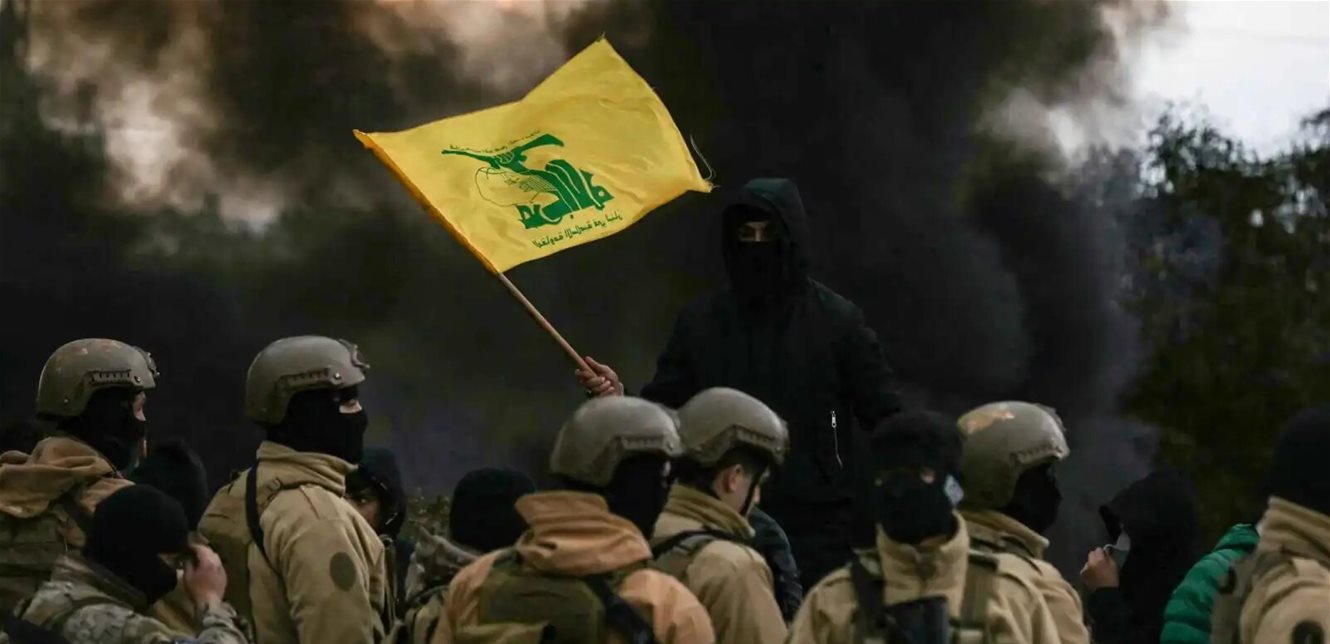
Israeli aviation carried out new strikes on Sunday in southern Lebanon, showing the persistent tension despite withdrawal plans. These strikes also hit Nabatieh al-Faouqa and Bourj Qalaouiyé, indicating a continuation of targeted operations against perceived threats. Hezbollah, for its part, announced eight operations targeting Israeli troops and vehicles in southern Lebanon, noting the ongoing tit-for-tat exchanges that have characterized the conflict. The ongoing military activity comes as the Givati Brigade concludes its extended presence in the region, shifting from active combat roles. The IDF's statement detailed the brigade's operational history in the area, encompassing both defensive postures and more aggressive actions. The planned withdrawal from the Nabatieh District's designated pilot zones marks a significant development in the ongoing military interactions, potentially paving the way for a calibrated de-escalation in specific areas. The Givati Brigade, during its extensive mission, operated in the areas of Al-Khiam and Bint Jbeil, situated north of the Litani River, and along the Beaufort Ridge, demonstrating its wide operational reach within southern Lebanon. These operations were key in shaping the security dynamics of the region throughout its deployment.
Humanitarian Toll and Security Concerns
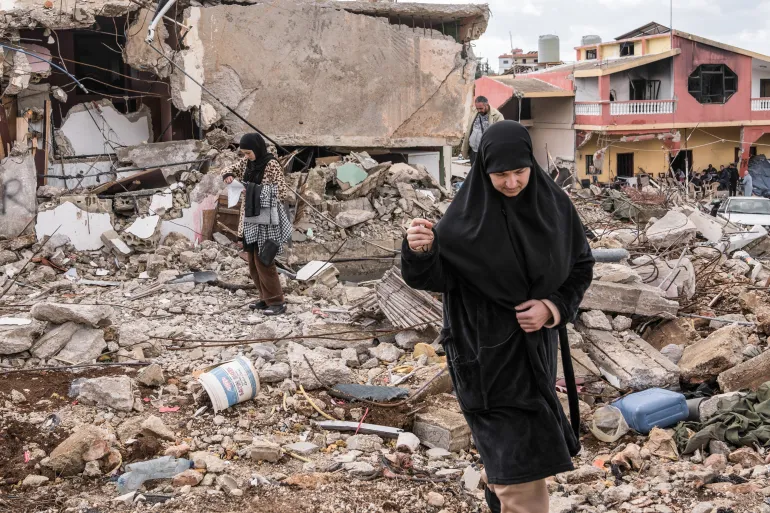
Israeli military operations in Lebanon have resulted in a significant humanitarian toll since March 2, according to reports from Lebanese authorities and media outlets. The Emergency Operations Center of the Lebanese Ministry of Public Health tallied 4,247 fatalities and 12,195 injuries in Lebanon from these operations. These figures paint a stark picture of the human cost incurred by the prolonged conflict. TRT عربي, reporting on the same period, stated that Israeli operations led to 2,759 dead and 8,512 wounded in Lebanon. The discrepancies in reported figures show the challenges in accurately assessing the full impact of the conflict amidst ongoing hostilities. TRT عربي also reported that more than 1.6 million people have been displaced within Lebanon due to the ongoing conflict, creating a profound humanitarian crisis and placing immense strain on Lebanon's already fragile infrastructure and resources. This mass displacement further exacerbates the suffering of civilians caught in the crossfire.
The security situation remains volatile, with both sides experiencing casualties. The Israeli army announced on Thursday, June 18, the death of one of its soldiers. The soldier died on Wednesday during an incident in southern Lebanon, an event that also left seven other Israeli soldiers injured. This incident notes the inherent dangers faced by military personnel operating in the region. BFM confirmed the Israeli army's statement, reporting, "The Israeli army announced on Thursday, June 18, the death of one of its soldiers, who died on Wednesday during an incident in southern Lebanon in which seven other soldiers were injured." Such reports serve as a grim reminder of the continuous security challenges and the human cost of the conflict for all parties involved. The persistent threat of casualties on both sides perpetuates a cycle of violence and retaliation, making sustained peace efforts all the more critical.
Diplomatic Framework and Rejection
A framework agreement aiming to de-escalate tensions was signed between Beirut and Israel, mediated by the United States. This diplomatic initiative sought to establish a structured approach to reduce hostilities and create a pathway for more stable relations. Concurrently, the Givati Brigade conducted operations in the areas of Al-Khiam and Bint Jbeil, situated north of the Litani River, and along the Beaufort Ridge, demonstrating that military actions continued even as diplomatic efforts were underway. Military actions continued elsewhere, with an Israeli fighter jet bombing the outskirts of the towns of Deir Seryan and Taybé. Additionally, an Israeli drone targeted the town of Braachit, illustrating the multi-faceted nature of the ongoing military engagement.
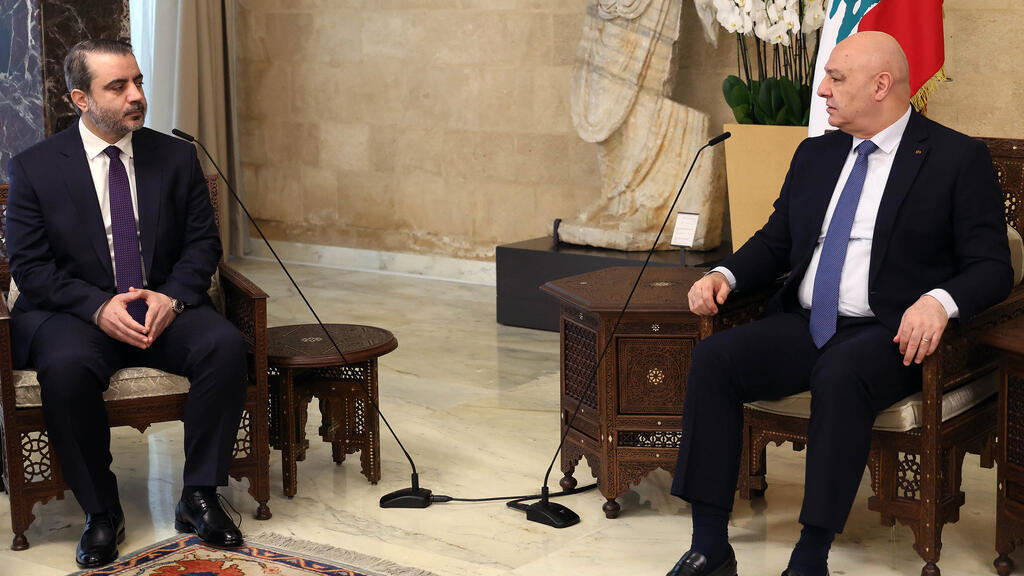
Amid these developments, Prime Minister Nawaf Salam asserted that Lebanon would not yield to blackmail or threats of civil war. His strong statements reflect a firm stance against external pressures and internal divisions that could destabilize the nation. Salam questioned the viability of national governance, stating, "Which state can function with two armies?" This rhetorical question shows the deep-seated political and security challenges Lebanon faces, particularly concerning the role of non-state armed actors. In a separate remark on Sunday, a Hezbollah deputy declared that the recently established framework agreement "will not be implemented," signaling opposition to the proposed diplomatic solution. This rejection from a key non-state actor casts a shadow over the effectiveness and future prospects of the U.S.-mediated agreement. These statements show the ongoing political and military complexities surrounding the region, noting the significant hurdles that remain in achieving a lasting peace and stability in southern Lebanon. The divergent views on the framework agreement suggest that while military withdrawals are being discussed, the underlying political tensions and security concerns are far from resolved.