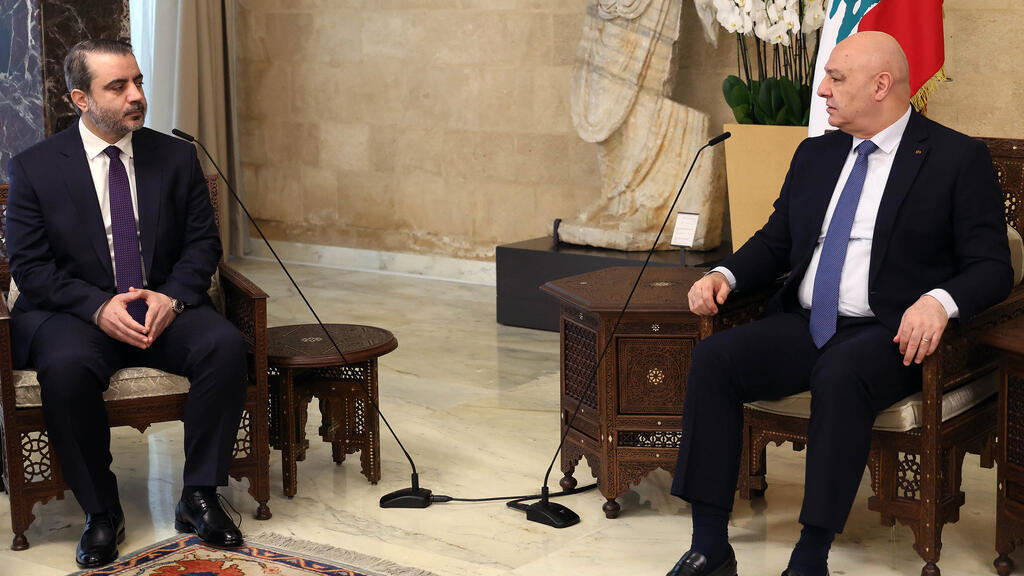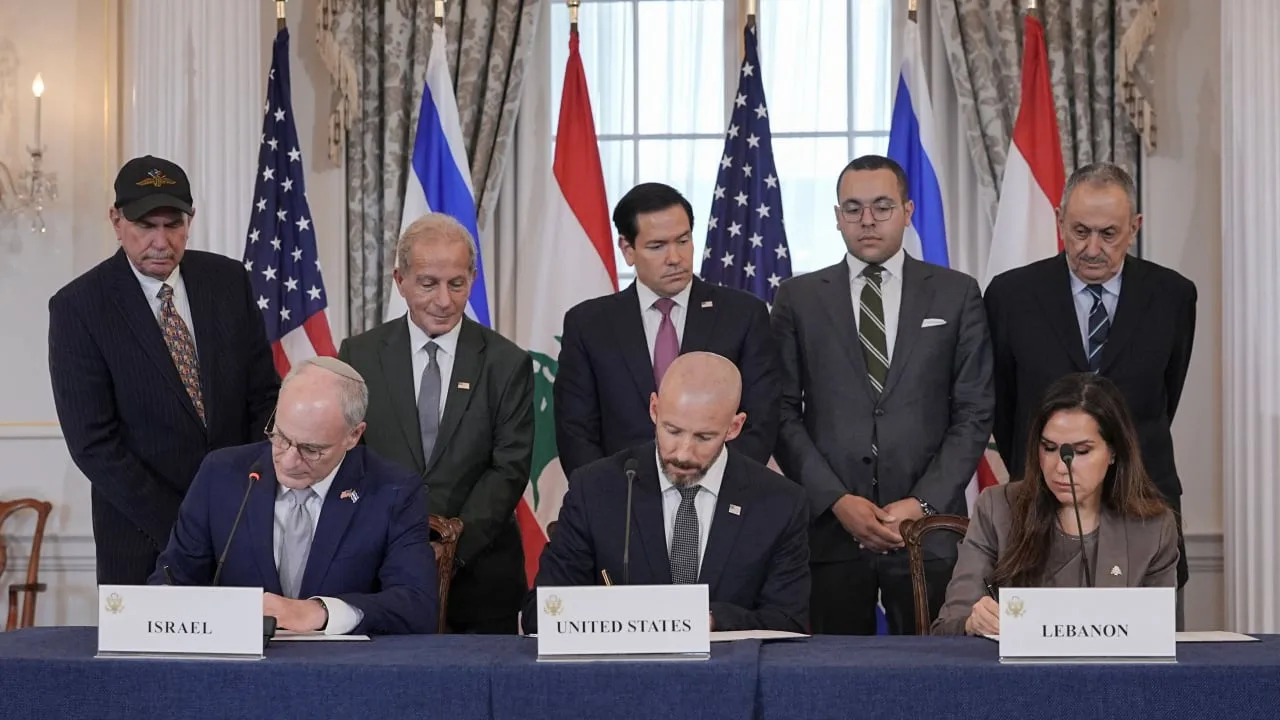
The United States, the State of Israel, and the Republic of Lebanon signed a trilateral framework on June 26, 2026. This framework aims to foster economic engagement between the nations, marking a significant diplomatic development in the region. The new agreement follows a prior US-coordinated agreement on a Maritime Boundary Line between Israel and Lebanon, which was deposited with the United Nations on October 27, 2022. That earlier accord established a defined maritime border, setting a precedent for further regional cooperation and laying groundwork for subsequent diplomatic initiatives. The recent trilateral framework builds upon these initial diplomatic efforts, focusing on broader economic interactions and aiming to cultivate a more stable and prosperous environment. Notably, the framework explicitly affirms the right of both Israel and Lebanon to exist in peace and to formally conclude any state of war between them, showing a foundational principle for future relations. This commitment to mutual recognition and the cessation of hostilities is central to the framework's overarching goals of regional stability and economic integration.
Lebanon's Economic Landscape
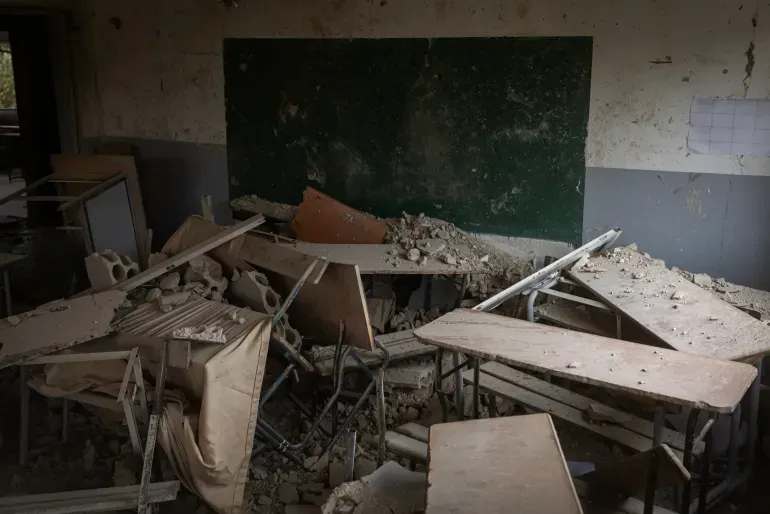
The Lebanese economy, primarily service-oriented, currently faces significant challenges and is not in good shape, grappling with a prolonged period of instability and economic distress. In 2020, the World Bank Group, the European Union, and the United Nations jointly launched the Reform, Recovery and Reconstruction Framework plan (3RF) to address these profound issues. The initiative aims to support Lebanon's path toward economic recovery and structural reform, providing a full blueprint for rebuilding and reform. A reform-minded Lebanese government was established in 2025, indicating an internal commitment to tackling the country's economic difficulties and implementing necessary changes. This new government is expected to work diligently within the parameters of the 3RF plan to implement necessary changes and attract renewed investment, which is key for the nation's revitalization. The economic situation remains a central focus for both domestic and international stakeholders involved in Lebanon's future, with the new framework seeking to provide additional impetus for recovery and growth through regional engagement. The challenges are substantial, but the trilateral framework offers a new avenue for international support and economic collaboration.
Framework Details and Security
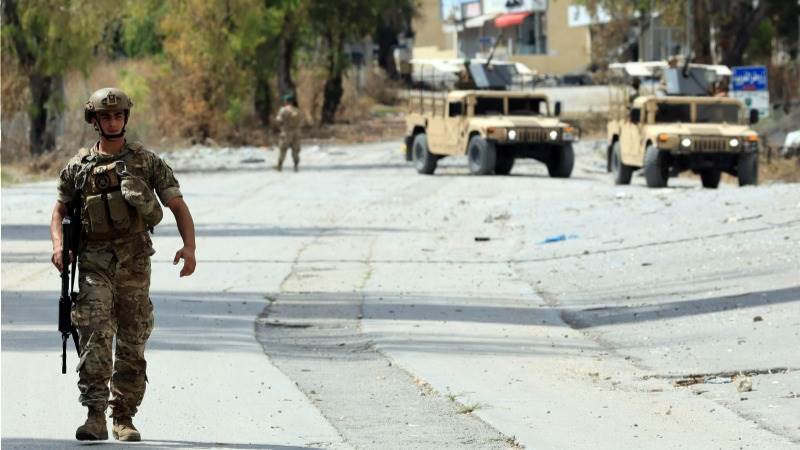
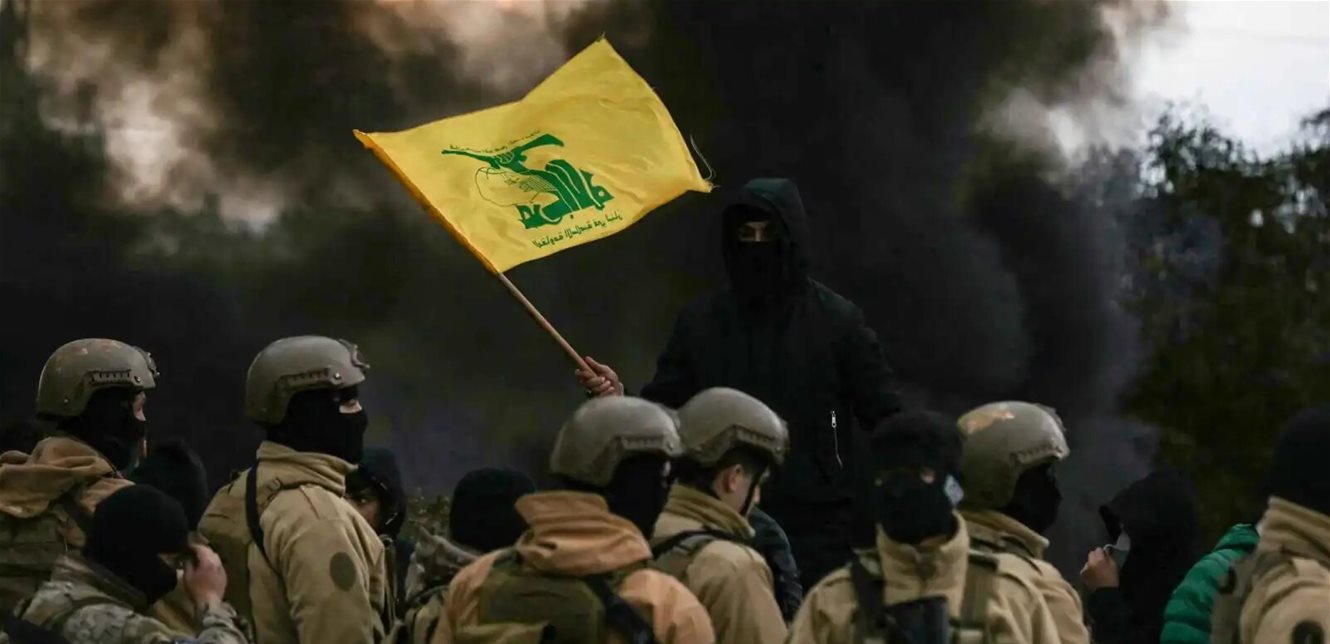
The new framework includes a Security Annex, detailing how the Lebanese Armed Forces (LAF) will progressively assume full and effective security responsibility within two designated pilot zones. This gradual assumption of control by the LAF is a critical component designed to enhance state authority and reduce the influence of non-state actors. The Israeli government has affirmed that its military actions in Lebanon are a direct consequence of attacks, threats, and hostile intentions from non-state armed groups, specifically naming Hezbollah. This position notes Israel's security concerns regarding its northern border. Conversely, the government of Lebanon maintains that it holds the exclusive sovereign authority to declare war and establish peace, asserting its prerogative over national security decisions. For Israel, the security of its northern communities is considered absolutely essential for achieving long-term stability and peace in the region, making the security provisions of the framework particularly significant.
To facilitate these security objectives, a military coordination group will be established with support from the United States. This group will focus on the participation and disarmament of all non-state armed groups, aiming to integrate these elements into the legitimate state security apparatus or disarm them entirely. The implementation steps outlined in the framework include strong measures to prevent funds from reaching non-state armed groups, thereby cutting off key financial lifelines. Additionally, working groups will be formed to pursue a full peace and security agreement, fostering dialogue and cooperation on sensitive issues. All parties are expected to take good faith measures to uphold the spirit and letter of the agreement. The framework also calls for the cessation of hostile actions in international forums, promoting a more constructive diplomatic environment, alongside dedicated efforts to search for remains and facilitate the release of detainees, addressing humanitarian concerns that have long plagued the region. These multifaceted security provisions aim to build trust and create a more secure environment conducive to economic development.
Potential for Business and Challenges
The framework affirms the right of both Israel and Lebanon to exist in peace and to formally conclude any state of war between them, setting a powerful precedent for future normalization. The United States has committed to rallying international partners to support Lebanon in rebuilding the country, repairing vital infrastructure, restoring its struggling economy, and creating opportunities for prosperity for its citizens. This international backing is seen as fundamental to Lebanon's long-term recovery and stability, moving beyond immediate humanitarian aid to sustainable economic development. The trilateral nature of the agreement, with US involvement, is intended to provide a strong platform for these collaborative efforts, attracting investment and expertise.
Despite these significant commitments and the overarching diplomatic achievement, challenges remain, particularly concerning resource development. In 2023, TotalEnergies announced that it did not find commercial gas reserves in Block 9, specifically the Qana prospect, leading to the company abandoning the site. This outcome was later reiterated by Elai Rettig in The Jerusalem Post on April 20, 2026, who unequivocally stated that there is no gas in the Qana prospect. This situation notes potential obstacles to economic development initiatives, particularly those relying on natural resource exploitation, even with international support and new diplomatic frameworks in place. The absence of commercially viable gas reserves in a highly anticipated area shows the complex and often unpredictable nature of resource-driven economic recovery. However, the broader economic engagement envisioned by the framework extends beyond natural resources, aiming to diversify opportunities and foster growth through various sectors, leveraging the potential for regional cooperation. The success of this framework will depend on sustained political will, effective implementation of security provisions, and the ability to attract diverse economic investments beyond the natural resource sector.