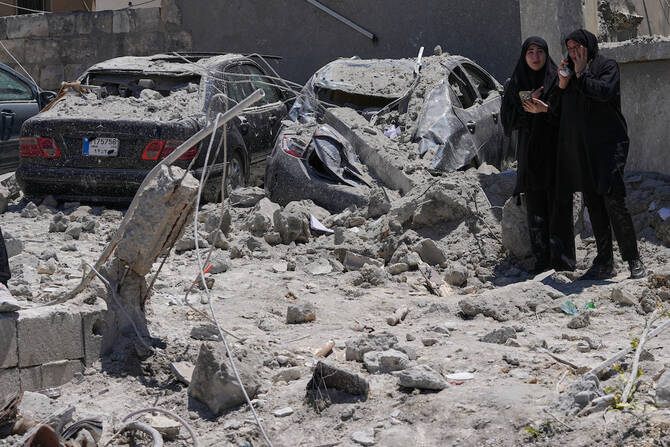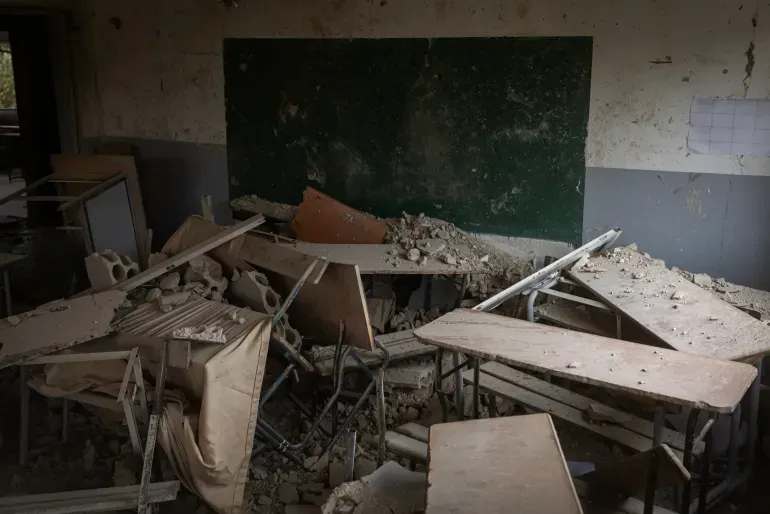
Approximately 500,000 people remain displaced in Lebanon following the ceasefire with Israel, which took effect on June 21. This significant number shows the ongoing humanitarian challenges faced by the nation despite the cessation of active hostilities. Many of those displaced are from southern Lebanon and Beirut's southern suburbs, regions that bore the brunt of the recent conflict. The ceasefire has successfully paused hostilities, offering a degree of relief, but the humanitarian situation for those uprooted continues to be a significant concern for international organizations operating in the country, which are working to provide aid and support to the affected populations. The scale of internal displacement presents a complex recovery effort for both local authorities and international aid agencies.
Obstacles to Full Return
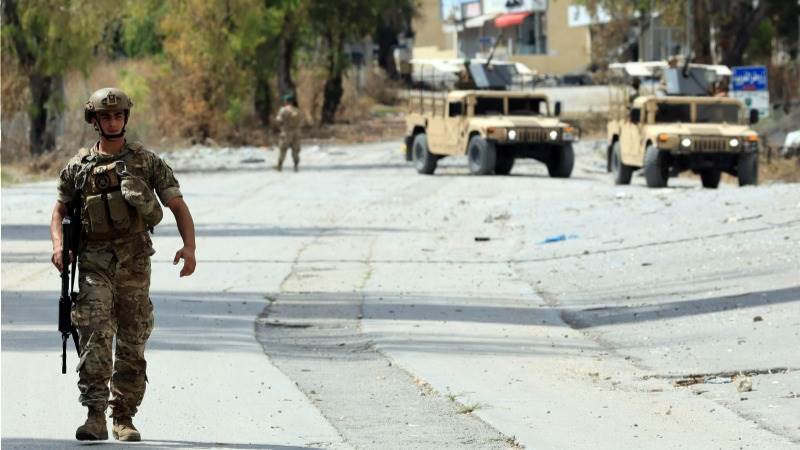
Many residents of Lebanon's border communities remain unable to return to their homes due to the continued presence of Israeli forces. Israeli troops maintain positions within a self-declared security zone and are conducting ongoing strikes, preventing the safe return of displaced populations. This persistent military activity creates an environment of insecurity that directly impacts the ability of individuals from areas like southern Lebanon to resettle. The presence of Israeli forces within Lebanese territory, coupled with intermittent strikes, contributes to the reluctance of many displaced families to return, fearing for their safety and the stability of their communities. This situation notes the fragile nature of the current ceasefire and the complex security dynamics at play.
A significant obstacle to broader resolution stems from Hezbollah's position on disarmament. The group has rejected disarmament as a precondition for a full return to normalcy and stability in the region. Their stance complicates efforts to secure the complete withdrawal of forces and ensure the safety required for all displaced Lebanese citizens to return home. Hezbollah's rejection of disarmament as a prerequisite for Israeli withdrawal remains a core point of contention, hindering progress toward a more permanent and full peace settlement. This disagreement prolongs the uncertainty for hundreds of thousands of Lebanese citizens hoping to rebuild their lives.
Framework Agreement Details
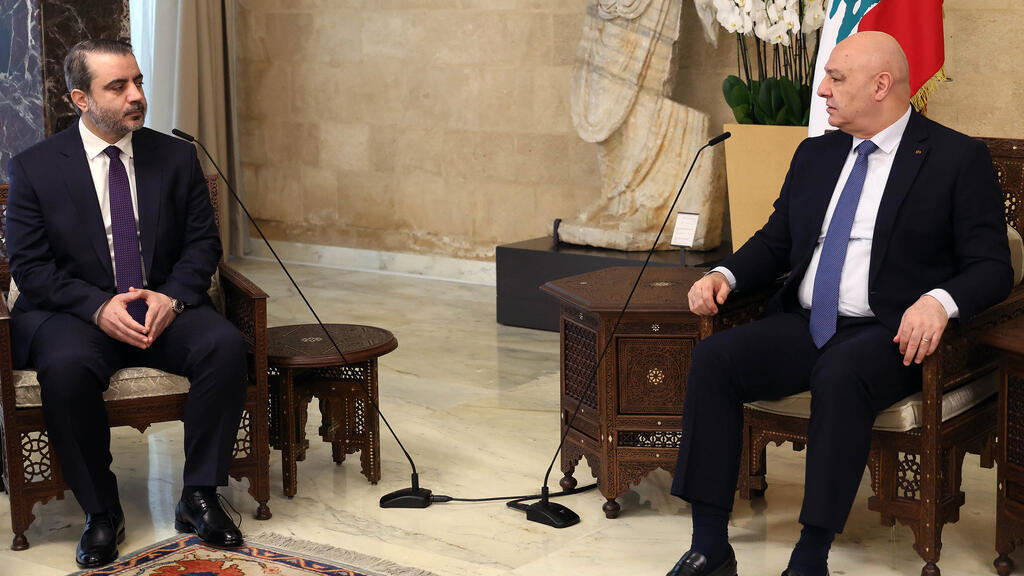
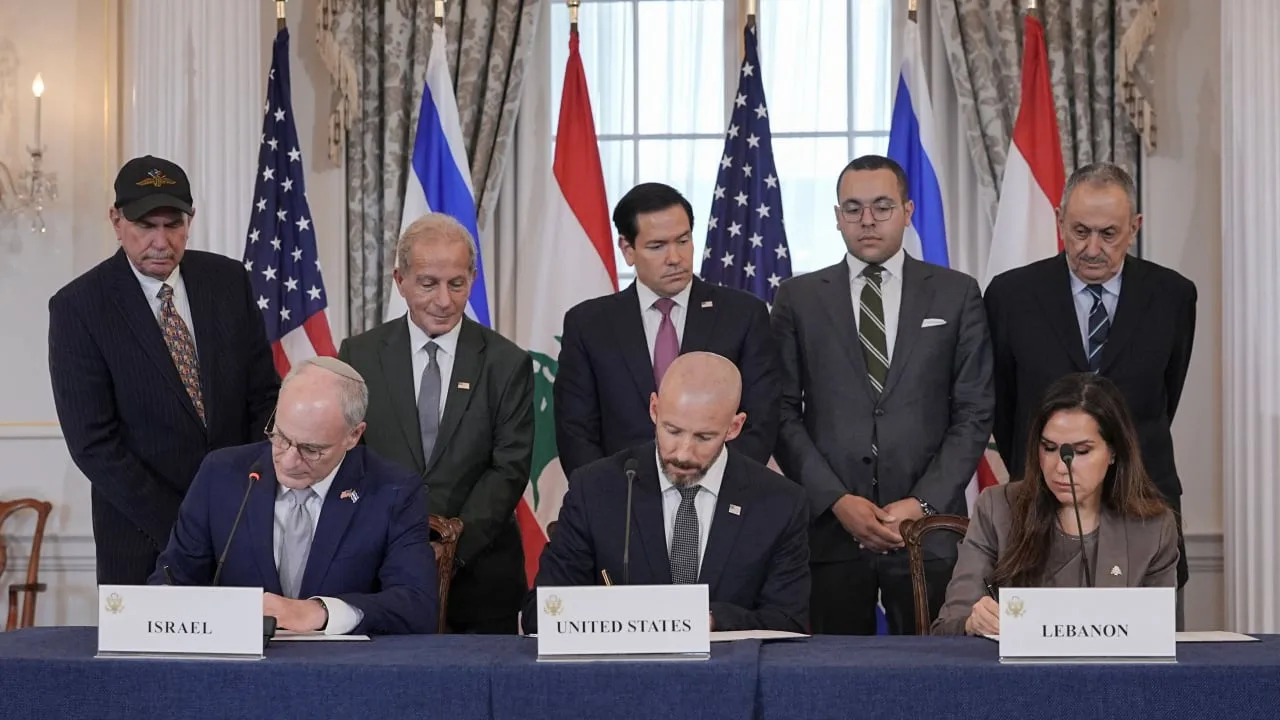
Lebanon and Israel have signed a US-backed framework agreement, an initiative designed to facilitate a path toward a permanent ceasefire. This agreement was a key step in de-escalating the conflict and establishing a diplomatic channel between the two nations. The agreement does not establish a specific timetable for Israel's withdrawal from Lebanese territory, which has been a point of concern for Lebanese officials. Instead, the framework agreement links any Israeli withdrawal directly to the disarmament of Hezbollah. This condition shows a key point of contention in ongoing peace efforts, as Hezbollah has previously rejected disarmament as a precondition for stability in the region. The US-backed framework aims to provide a structured approach to resolving the protracted conflict, but the linkage of Israeli withdrawal to Hezbollah's disarmament presents a significant hurdle that requires careful negotiation and political will from all parties involved.
Internal Displacement Efforts
Returns have accelerated in southern Lebanon and Beirut's southern suburbs since the ceasefire took effect on June 21, indicating a positive trend in the immediate aftermath of the cessation of hostilities. Efforts to manage internal displacement also saw authorities clear unauthorised encampments across the capital on July 1, 2026. This action was part of a broader strategy to organize and regulate the housing of displaced persons, ensuring that returns were orderly and that urban spaces were managed effectively. The clearing of encampments aimed to provide more structured solutions for those who had sought refuge in temporary shelters.
Ongoing Displacement Figures
More than 640,000 displaced Lebanese citizens have returned to their homes since the ceasefire with Israel became effective on June 21. This figure represents a significant portion of the total displaced population, showcasing the immediate impact of the ceasefire in enabling people to go back to their communities. Overall, 646,107 people had returned from a total displacement of more than one million individuals during the conflict. The returns have contributed to a reduction in the number of internally displaced persons, though a substantial number still remain unable to go back to their residences. The continued displacement of approximately 500,000 people shows the need for sustained efforts in security, reconstruction, and diplomatic engagement to ensure the full and safe return of all affected citizens.