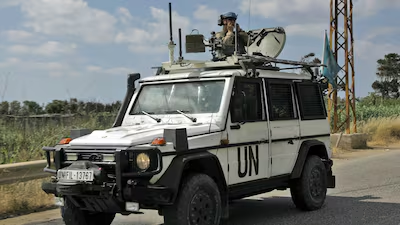
A Serbian peacekeeper has died following a mortar attack on his base near Marjayoun in southern Lebanon. The mortar attack, which occurred on Thursday, targeted the UN base situated near the town of Marjayoun. The soldier, who was part of the UN interim force, received emergency treatment at the scene after the incident. He was subsequently transported to a hospital in Beirut, where he later succumbed to his injuries. In addition to the fatality, two other peacekeepers sustained injuries in the incident, according to reports. The attack shows the severe risks faced by international forces operating in the volatile region.
UN Peacekeeper Casualties Mount
Seven UN peacekeepers have been killed in Lebanon since hostilities began on March 2. This toll includes three Indonesian peacekeepers and a French soldier, adding to the growing number of casualties among international forces deployed in the region. The loss of these peacekeepers notes the dangers inherent in their mission to maintain stability and monitor the cessation of hostilities.
A separate incident in April saw a French peacekeeper killed and three others injured. That ambush occurred near Ghandouriyah while the soldiers were engaged in clearing explosives. This particular event showed the multifaceted threats faced by peacekeepers, extending beyond direct combat to include hazardous ordnance. This latest death brings the total number of peacekeepers killed in the escalating conflict to seven, marking a significant and tragic toll on the international efforts to secure peace in the area. The increasing number of casualties among UN personnel signals a dangerous escalation in the conflict, posing significant challenges to peacekeeping operations.
Broader Conflict Context
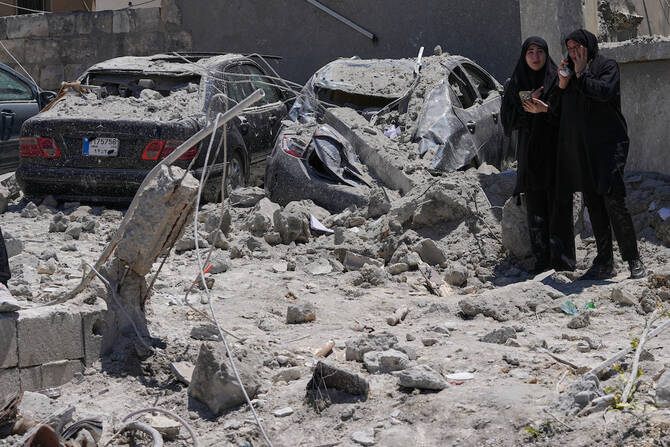
A US-brokered framework agreement between Lebanon and Israel was signed in Washington on June 26, according to official reports. This agreement was specifically aimed at de-escalating the ongoing border conflict between the two nations. The framework agreement sought to establish a structured mechanism for dialogue and dispute resolution, hoping to prevent further escalation and protect civilian lives along the shared border. However, the recent mortar attack on the UN base demonstrates the continued volatility of the region, noting the challenges faced by peacekeeping forces and local populations alike amid persistent hostilities. The broader conflict has resulted in significant civilian casualties, with statistics indicating that those killed include 253 children, 391 women, and 135 healthcare workers. These figures paint a grim picture of the human cost of the ongoing hostilities. The recent violence has showed the fragile security situation along the border, despite efforts to establish a lasting peace and diplomatic initiatives aimed at reducing tensions.
UN Mission Mandate
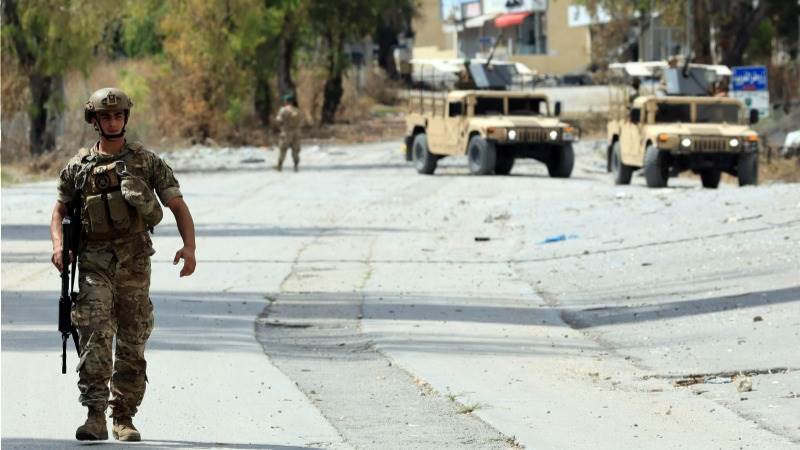
The UN interim force operates under the mandate of resolution 1701, which specifically tasks it with monitoring the cessation of hostilities between Israel and Hezbollah. This resolution was adopted to establish a permanent ceasefire and a long-term solution to the conflict in southern Lebanon following the 2006 conflict. The interim force's role involves ensuring that both parties adhere to the terms of the cessation of hostilities, preventing the re-establishment of armed groups in the area, and supporting the Lebanese Armed Forces in extending their authority throughout the region. The mission aims to maintain a stable environment and facilitate the delivery of humanitarian aid to affected populations, working diligently to prevent further escalation of violence in the sensitive border area. Their presence is key for observing compliance and reporting on any violations, acting as a buffer between the warring factions.
International Condemnation
As previously noted, two other peacekeepers sustained injuries in the Thursday incident, according to reports. The attack occurred as Israeli military operations in Lebanon continued. Since March 2, Israeli attacks on Lebanon have resulted in the deaths of at least 4,278 people. These continued hostilities show the volatile security situation in the region, particularly for international forces operating there. The high casualty count among civilians and the persistent attacks highlight the urgent need for a more strong and lasting peace. The international community has repeatedly called for an end to the violence and for all parties to respect the mandates of international peacekeeping forces.